

GMC G2500 Automatic Transmission Mount: A Replacement Guide (1979-1984)
Stop the clunking and shaking in your G-series van by choosing the right transmission mount.
- Listen for a 'clunk' when shifting into gear; it's the most common sign of a failed mount.
- For a daily driver, a standard rubber mount is best; for heavy-duty use, upgrade to polyurethane but expect more vibration.
- If your transmission mount is bad, your engine mounts are likely worn too. Plan to inspect and likely replace all three.
- This is an inexpensive part and a relatively easy DIY repair that can prevent more costly damage to other components.
Is Your G2500's Transmission Mount Failing?
After 40-plus years of service, the original rubber on your van's transmission mount is likely worn out. Heat from the transmission, exposure to leaking fluids like oil or transmission fluid, and simple age cause the rubber to crack, harden, or turn mushy. When the rubber fails, the mount can no longer hold the transmission securely, leading to a number of noticeable and potentially damaging symptoms. Ignoring a bad mount puts extra stress on the engine mounts, driveshaft U-joints, and exhaust system, which can lead to more expensive repairs down the road.
Top Symptoms of a Bad Transmission Mount
- Clunking or Banging Noises: This is the most common sign. You'll hear a loud "clunk" or "thud" when you shift from Park into Drive or Reverse. The noise can also happen during hard acceleration or braking as the loose transmission assembly rocks back and forth.
- Excessive Vibration: A worn-out mount can't absorb vibrations anymore. You will feel a new or increased shaking in the floor, seats, or steering wheel. This is often most noticeable when idling in gear or while accelerating.
- Drivetrain Movement: You might feel the entire engine and transmission lurch when you accelerate or let off the gas. In some cases, you may even see the gear shifter lever move during these moments.
- Shifting Problems: A collapsed mount can change the angle of the transmission, which may affect the shift linkage. This can make shifting feel stiff or cause difficulty engaging gears.
Choosing the Right Aftermarket Mount for Your G2500
For a vehicle from this era, finding a genuine OEM (Original Equipment Manufacturer) part is nearly impossible. The aftermarket is your primary source, and the quality is generally suitable for these vans. Your choice comes down to the material: standard rubber or performance polyurethane.
Brand & Material Comparison
| Brand Tier | Brands | Material | Best For | Notes |
|---|---|---|---|---|
| Good (Standard Replacement) | Anchor, DEA, Pioneer | Rubber | Daily driving and normal use. | These brands provide an OEM-like feel, prioritizing a quiet, smooth ride by absorbing vibrations. While very affordable, some online forum users report mixed quality and longevity with Anchor and DEA, suggesting they may not last as long as the original part. Pioneer is often considered a solid standard replacement. |
| Better (Heavy-Duty / Performance) | Lakewood, Prothane | Polyurethane | Heavy-duty work, towing, or modified vans. | Polyurethane is a much stiffer material that doesn't flex as much as rubber. This provides a more direct transfer of power and is extremely durable. The trade-off is that you will feel more vibration and noise inside the cab. These are a great upgrade for durability if you can tolerate the increased harshness. |
Pro Tip: Check Your Engine Mounts
The engine and transmission mounts work together as a team. If your transmission mount has failed due to age and wear, it's almost certain that your two engine mounts are in similar condition. A bad transmission mount puts extra strain on the engine mounts, and vice-versa. It is highly recommended to inspect and replace all three mounts at the same time to ensure a complete, long-lasting repair and restore the proper alignment of your drivetrain.
Frequently Asked Questions (FAQ)
What happens if I don't replace a bad transmission mount?
Continuing to drive with a failed mount can cause a cascade of problems. The constant movement can damage your engine mounts, put stress on the driveshaft and U-joints, crack exhaust components, and in very severe cases, cause transmission fluid leaks by damaging seals. It's a cheap and easy fix that prevents much more expensive ones.
Should I choose a rubber or polyurethane mount for my van?
For most owners using their G2500 for regular driving, a standard rubber mount (like Pioneer) is the best choice for a quiet, comfortable ride. If you use your van for heavy towing, carry heavy loads, or have a modified engine, a polyurethane mount (like Prothane or Lakewood) offers superior durability, though it will make the ride noticeably harsher with more vibration.
Is replacing a transmission mount a DIY job?
Yes, for most people with basic tools, this is a straightforward job. The process involves supporting the transmission with a floor jack and a block of wood, unbolting the old mount from the crossmember and transmission, and bolting the new one in place. It can typically be done in about an hour.
Are there any recalls for the transmission mount on a 1979-1984 GMC G2500?
No, searches of the National Highway Traffic Safety Administration (NHTSA) database show no recalls or specific technical service bulletins (TSBs) related to the transmission mount for this vehicle. Failure of this part is considered normal wear and tear for a vehicle of this age.
Technical Specifications
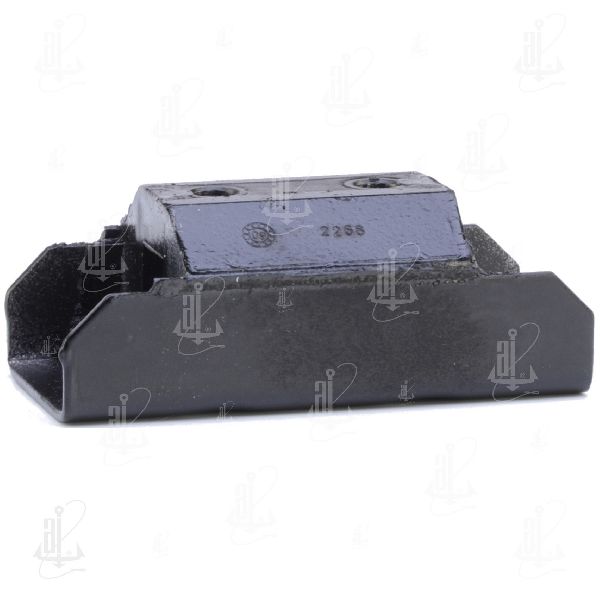
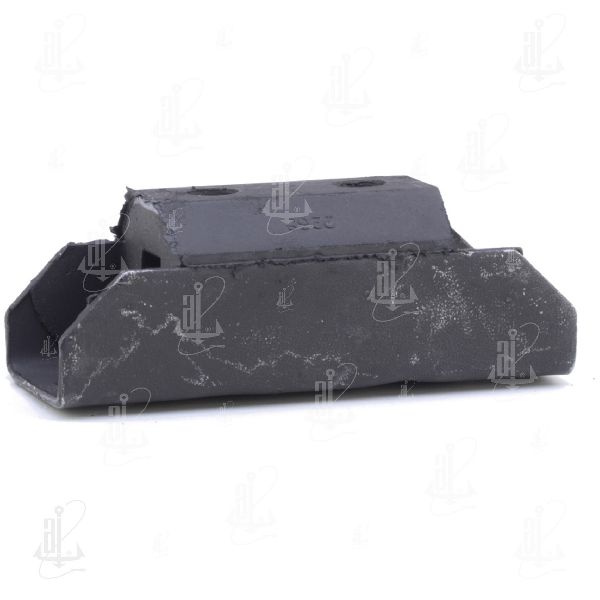
The mount is typically a single-stud design that bolts to the transmission crossmember. It consists of a metal housing with a vulcanized rubber or polyurethane block to absorb vibration. The specific design is common to many GM rear-wheel-drive vehicles of the era.
We Have This Part in Stock


The information in this article is provided for general reference and educational purposes only. Vehicle specifications, procedures, and part compatibility can vary by production date, trim level, and region. Always consult your vehicle's factory service manual and verify part numbers before purchasing or performing repairs. Safety-critical components such as airbags, seat belts, and braking systems should be installed by a qualified professional.