

A Guide to Replacing the Power Steering Pump on Your 1979-1984 GMC G2500
Keep your classic G2500 van steering smoothly and safely with the right replacement power steering pump.
- A special power steering pulley puller/installer tool is mandatory for this job; do not attempt it without one.
- Thoroughly flushing old fluid and properly bleeding air from the new system are critical steps to prevent noise and premature failure.
- Quality of budget remanufactured brands like Cardone and BBB can be inconsistent; prioritize a good warranty and return policy.
- Whining noises and stiff steering are the classic symptoms, but always check your fluid level and condition first.
Is Your G2500 Power Steering Pump Failing?
The Saginaw-style power steering pump used in these classic GMC vans is a reliable workhorse, but it won't last forever. When it begins to fail, it usually provides clear warning signs. Ignoring these symptoms can lead to a complete loss of power assist, making the truck very difficult to steer, and can potentially damage other steering components.
First, Check Your Fluid
Before assuming the pump is bad, always check the power steering fluid. Low fluid is the most common cause of steering noise and stiffness. If the level is low, top it off with the correct type of fluid. If the fluid looks dark, smells burnt, or contains shiny metal flakes, the system needs a full flush and the pump is likely failing internally.
Choosing the Right Aftermarket Pump
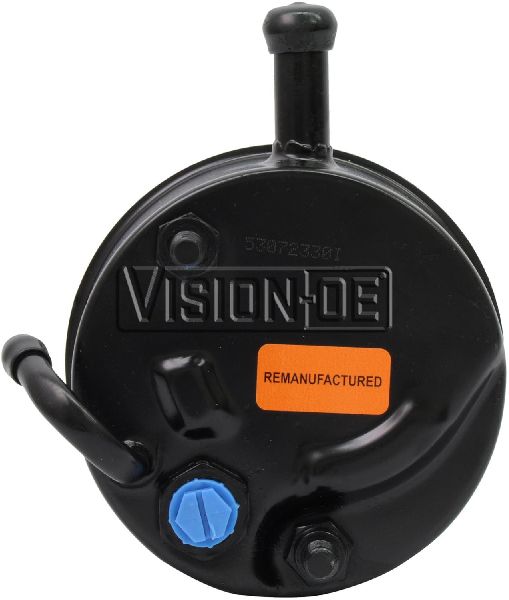
For a vehicle from this era, new OEM (Original Equipment Manufacturer) parts are typically unavailable. Your main choices will be remanufactured or new aftermarket pumps. The brands available, like Cardone and BBB Industries, primarily offer remanufactured units which are often sold as 'new' by retailers because they are new to you.
Brand Quality: Cardone vs. BBB Industries
Owner and mechanic feedback on forums suggests that the quality of remanufactured power steering pumps can be inconsistent across all budget-friendly brands, including Cardone and BBB Industries. Some users report success, while others experience premature failure, leaks, or noise right out of the box. The consensus is not that one brand is definitively better than the other, but that the remanufacturing quality can be a gamble. When choosing between these brands, prioritize a solid warranty and a straightforward return policy from the seller.
A Note on "New" vs. "Remanufactured"
While the prompt for this article specified "NEW AFTERMARKET", for vehicles of this age, most available parts from brands like Cardone and BBB are "remanufactured." This means an original (OEM) core was rebuilt with new seals and wear components. While some truly new aftermarket pumps exist from premium brands, they are less common and more expensive for this application. For most owners, a quality remanufactured unit is the standard replacement.
Installation Tips & Common Mistakes
Replacing the pump is a manageable DIY job for those with mechanical experience. However, there are critical steps that cannot be skipped.
- Pulley Tool is Required: The pulley on the original pump is press-fit and must be moved to the new pump. You MUST use a specific power steering pulley puller/installer tool. Attempting to use a standard gear puller or hammer will damage the pulley and the new pump, voiding its warranty. These tool kits can be rented from most auto parts stores.
- Flush the System: Old, contaminated fluid will quickly destroy a new pump. You must flush all old fluid from the lines and steering gear before connecting the new pump.
- Bleed the System: Air trapped in the system is the #1 cause of whining noises from a new pump. After installation, you must bleed the system by turning the steering wheel lock-to-lock several times with the engine off, then repeating with the engine on, all while keeping the reservoir full.
| Item | Estimated Cost |
|---|---|
| New Aftermarket/Remanufactured Pump | $79.89 - $220.43 |
| Shop Labor | $150 - $350 |
| Power Steering Fluid | $15 - $30 |
| Pulley Tool Rental | ~$20 or Refundable Deposit |
Frequently Asked Questions (FAQ)
Are there any recalls for the 1979-1984 G2500 power steering pump?
No. Searches of the National Highway Traffic Safety Administration (NHTSA) database show no specific recalls or technical service bulletins (TSBs) for power steering pump failure on the 1979-1984 GMC G2500. Recalls for GM power steering issues generally affect much newer vehicles with different systems.
Why is my new power steering pump whining?
The most common reason for a new pump to whine is air trapped in the system. You must perform the bleeding procedure correctly. This involves filling the reservoir, and with the front wheels off the ground and the engine OFF, turning the steering wheel fully from side to side at least 20 times. Top off the fluid, then repeat with the engine running until the noise stops. If noise continues, you may have a leak or a defective pump.
What kind of fluid should I use in my G2500?
For these older GM trucks, standard power steering fluid is typically specified. Some systems of this era were also compatible with Automatic Transmission Fluid (ATF). Always check your owner's manual if available. If you are unsure, using a quality conventional power steering fluid is a safe choice. Do not mix different fluid types.
Do I need to replace the pulley or the reservoir?
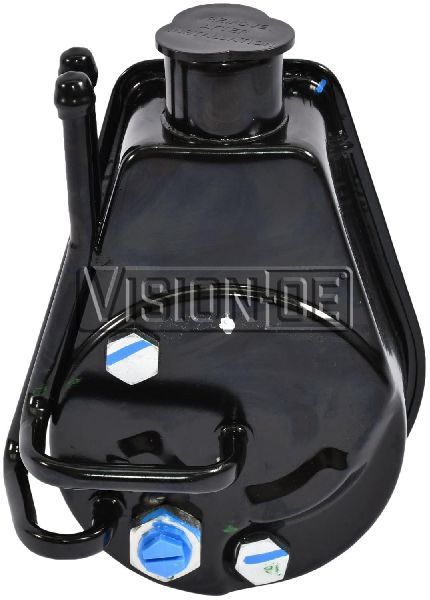
You will almost always need to reuse your original pulley. Most aftermarket pumps for this van do not include a new pulley. You must transfer it from the old pump using the special puller/installer tool. Many replacement pumps come with a new reservoir attached, which is recommended to use as the internal filter screen on the old one can get clogged.
Technical Specifications
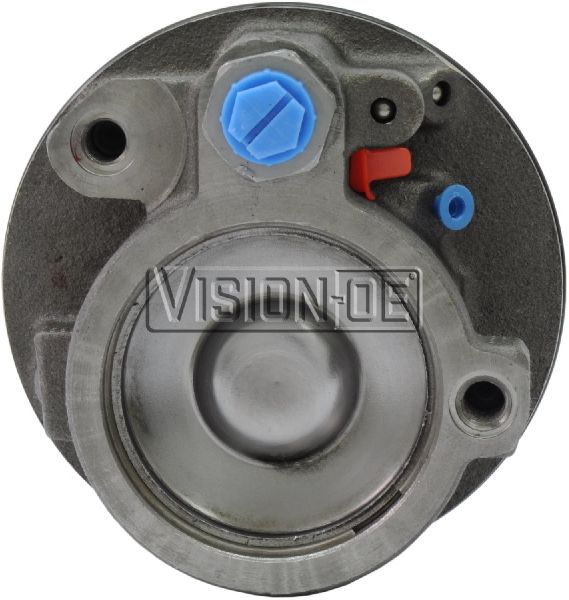
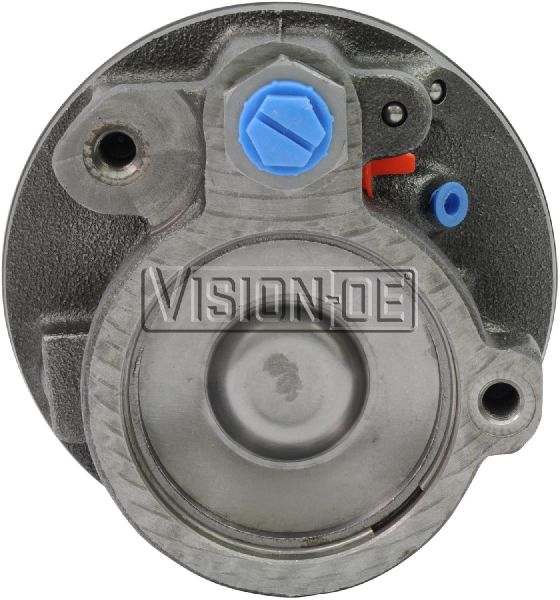
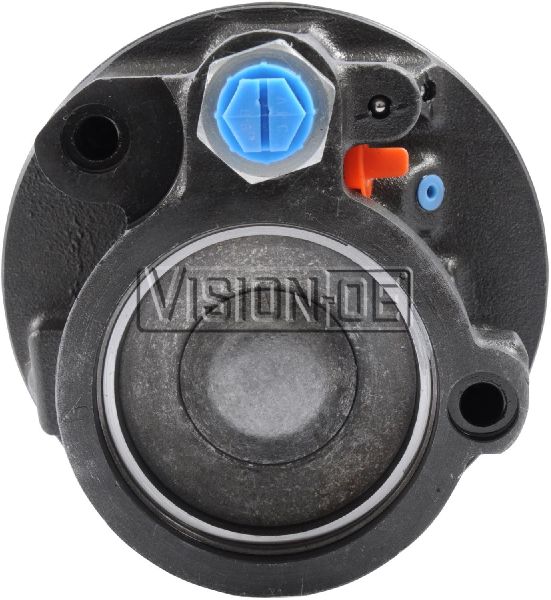
Saginaw-style belt-driven hydraulic pump, typically with an integrated or attached reservoir. Requires a press-fit pulley.
We Have This Part in Stock

The information in this article is provided for general reference and educational purposes only. Vehicle specifications, procedures, and part compatibility can vary by production date, trim level, and region. Always consult your vehicle's factory service manual and verify part numbers before purchasing or performing repairs. Safety-critical components such as airbags, seat belts, and braking systems should be installed by a qualified professional.