

A/C Compressor Replacement Guide for the 1979-1984 Mazda RX-7
Everything a first-gen RX-7 owner needs to know about replacing a failing A/C compressor to restore cool air.
- A failing A/C compressor is common and presents as no cold air, strange noises, or leaks.
- New aftermarket compressors from brands like Four Seasons and Global Parts are the most practical replacement option.
- You MUST replace the receiver/drier and expansion valve and flush the system to prevent immediate failure of the new compressor.
- While you can physically swap the compressor, professional help is required for evacuating and recharging the refrigerant.
Is Your RX-7's A/C Blowing Hot Air?
A failing A/C compressor is a common issue on classic cars like the first-generation Mazda RX-7. Given the age of these vehicles, original compressors are often at the end of their service life. Symptoms usually start with the A/C not blowing as cold as it used to, strange noises from the engine bay, or the system failing to engage at all. Addressing a failing compressor quickly is key to avoiding further damage to other A/C components.
Symptoms of a Bad A/C Compressor
🎬 Watch: A beginner's guide to diagnosing common A/C issues.Watch for these common signs of compressor failure in your RX-7:
- No Cold Air: The most obvious symptom. If the fan blows but the air is warm, the compressor may not be engaging or circulating refrigerant.
- Grinding or Squealing Noises: A loud grinding or scraping sound when the A/C is turned on points to internal failure. A squeal could be a worn belt, but it can also indicate a seizing compressor or a bad clutch bearing.
- Visible Leaks: The compressor has seals that can fail over time. Look for oily residue on the compressor body, which indicates a refrigerant leak. The front shaft seal is a common failure point.
- Clutch Not Engaging: The compressor's clutch is supposed to engage when you turn on the A/C. If you don't hear a 'click' and see the center of the pulley start spinning, the clutch may be bad, or the system may have an electrical issue or low refrigerant pressure. 🎬 Watch: How to easily diagnose and fix your A/C problems.
System Contamination is a Major Concern
If your old compressor failed internally, it likely sent metal shavings and debris throughout the entire A/C system. Simply replacing the compressor is not enough. This contamination will destroy the new compressor quickly. You MUST flush the system and replace the receiver/drier and expansion valve to ensure a lasting repair.
Choosing a New Aftermarket Compressor
For a 1979-1984 RX-7, finding a new OEM compressor is nearly impossible. The most practical solution is a new aftermarket unit. These are designed as direct-fit replacements and are readily available.
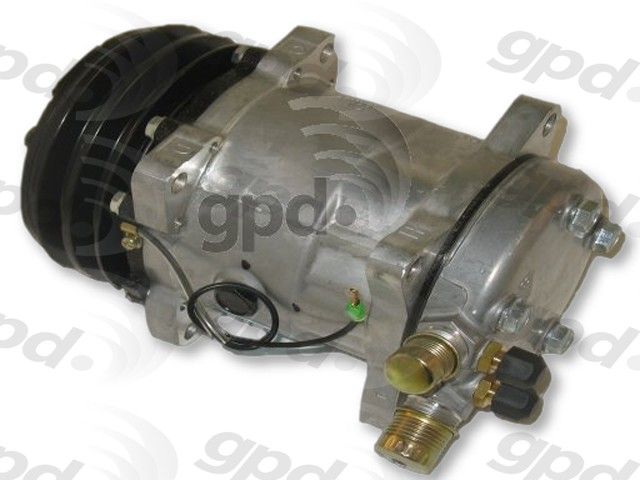
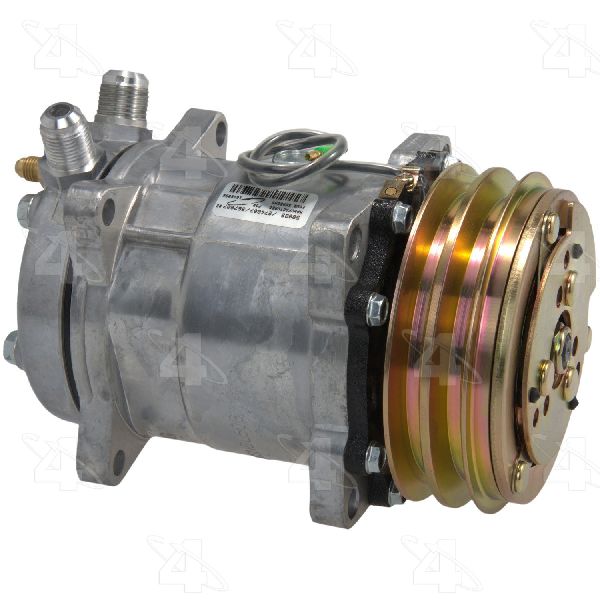
Two common brands you will find are Four Seasons and Global Parts (GPD):
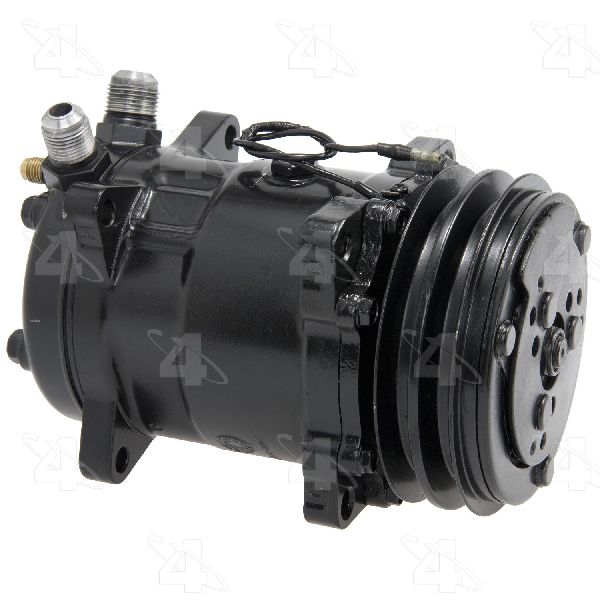
- Four Seasons: A well-established brand in the aftermarket A/C world, Four Seasons offers both new and remanufactured compressors. They are generally considered a reliable mid-tier option with fair pricing and good availability.
- Global Parts Distributors (GPD): GPD is another major supplier of aftermarket A/C components. They offer a wide catalog for both domestic and import models and are known for providing complete kits, which can be convenient.
While some forum users express caution about aftermarket parts in general, for a vehicle of this vintage, new aftermarket compressors from a reputable brand are often the best and most reliable choice compared to a used or poorly remanufactured OEM unit.
Check Your Original System
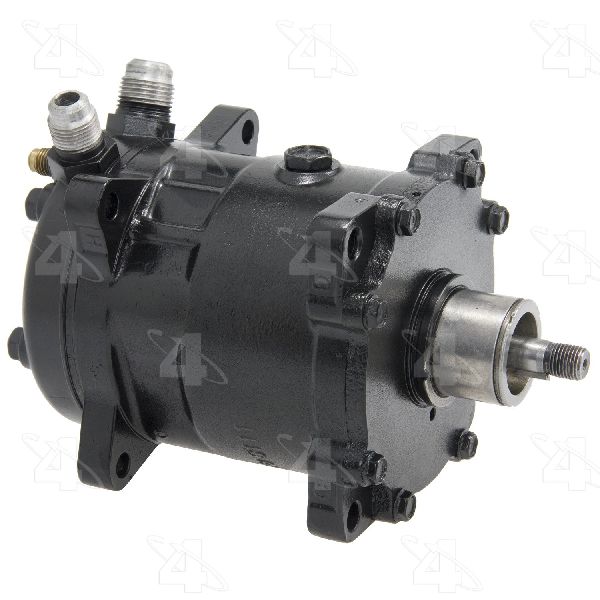
First-generation RX-7s could be equipped with compressors from different manufacturers (like Sanden or Nippondenso) depending on the year and whether it was a factory or dealer-installed system. Some early models even had the service ports directly on the compressor body. Before ordering, visually inspect your current compressor and its connections to ensure you are buying an exact match.
Cost of Replacing Your RX-7's A/C Compressor
Here is a general breakdown of what to expect in terms of cost. Labor costs can vary significantly by shop and location.
| Part/Service | Estimated Cost |
|---|---|
| New Aftermarket Compressor | $160 - $285 |
| New OEM Compressor | Not Generally Available |
| Remanufactured Compressor | $190 - $270 |
| Shop Labor (including evacuation and recharge) | $300 - $500 |
Frequently Asked Questions
Do I have to replace other parts with the compressor?
Yes. It is critical to also replace the receiver/drier (or accumulator) and the expansion valve. The receiver/drier removes moisture from the system, and a new one is required to prevent corrosion and ensure the warranty on your new compressor is honored. Failure to replace these components often leads to premature failure of the new compressor.
Can I do this job myself?
Replacing the compressor itself is a bolt-off, bolt-on job that a skilled DIY mechanic can do. 🎬 See this walkthrough on how to replace an A/C compressor. However, handling refrigerant requires special equipment and is regulated by law. You must have the old refrigerant professionally evacuated before starting work, and the system must be vacuumed and properly recharged by a professional after the new parts are installed.
My system was converted to R134a. Does that matter?
Yes. The original R12 refrigerant is no longer used. Most systems have been converted to R134a. New aftermarket compressors are typically compatible with R134a, but you must use the correct type and amount of oil (usually PAG oil for R134a). Always check the compressor manufacturer's instructions for the specific oil requirements.
Can I just replace the A/C clutch?
Sometimes, but it's often not the best solution. If the clutch has failed but the compressor is otherwise healthy, a clutch replacement is possible. However, if the compressor is old, has high mileage, or is making noise, it's better to replace the entire unit. The labor involved is similar, and replacing the whole compressor assembly provides more peace of mind.
Helpful Videos
Technical Specifications
Vehicle-specific fit for 1979-1984 Mazda RX-7. Compressor type can vary (Sanden, Nippondenso), so visual confirmation is recommended. System originally used R12 refrigerant but most have been converted to R134a. New compressors are typically compatible with R134a and require PAG oil.
We Have This Part in Stock

The information in this article is provided for general reference and educational purposes only. Vehicle specifications, procedures, and part compatibility can vary by production date, trim level, and region. Always consult your vehicle's factory service manual and verify part numbers before purchasing or performing repairs. Safety-critical components such as airbags, seat belts, and braking systems should be installed by a qualified professional.