

Choosing the Right Spark Plugs for Your 1979-1984 Saab 900
Get the correct spark plugs for your classic Saab 900 to ensure smooth running and prevent common ignition problems.
- Stick with NGK brand copper-core spark plugs for the best performance and reliability.
- Identify your specific engine (8-valve vs. 16-valve, Turbo vs. Non-Turbo) to select the correct part number.
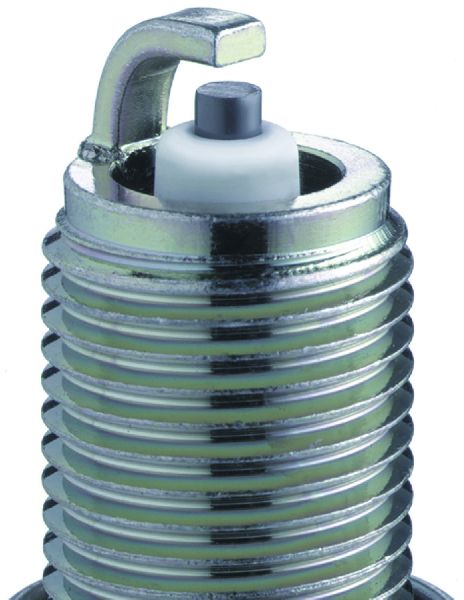
- Always check and adjust the spark plug gap to your car's specification (typically 0.6mm-0.7mm) before installation.
- Plan to replace standard copper plugs every 10,000-15,000 miles as part of regular maintenance.
Symptoms of Failing Spark Plugs in a Saab 900
Worn-out spark plugs can cause several noticeable problems. Because these classic Saabs rely on a simple but precise ignition system, they are sensitive to plug condition.
- Rough Idle: The engine may shake or vibrate more than usual when stopped.
- Engine Misfires: You might feel a hesitation or stumble from the engine, especially under acceleration. 🎬 Watch this guide on diagnosing common Saab 900 misfire problems.
- Poor Acceleration: The car may feel sluggish or lack its usual power when you press the gas pedal.
- Difficulty Starting: A weak or inconsistent spark can make the engine hard to start, especially when cold.
- Reduced Fuel Economy: Inefficient combustion from bad plugs means the engine uses more fuel than necessary.
Check Engine Light
While less common on the earliest models, a persistent engine misfire can trigger the check engine light on later vehicles in this year range.
Choosing the Right Aftermarket Spark Plug
For the 1979-1984 Saab 900, the single most important factor is choosing the right brand and part number. The Saab community overwhelmingly recommends using NGK spark plugs. These cars were often equipped with them from the factory, and the ignition systems are tuned for their specific characteristics. While other brands are available, straying from the recommended NGK plugs can lead to frustrating performance issues.
Engine Type Matters
First, identify your engine. From 1979-1980, most 900s used the Saab B engine. Starting in 1981, Saab introduced the H engine, which became standard. Additionally, you must know if you have a turbo or a naturally aspirated (non-turbo) model. The correct spark plug depends on this combination.
| Model / Engine | Recommended NGK Plug | Notes |
|---|---|---|
| 1979-1984 8-valve Turbo | NGK BP7ES | This is a colder plug for the higher temperatures of the turbo engine. |
| 1979-1984 8-valve Non-Turbo | NGK BP6ES | This is a slightly hotter plug suitable for non-turbo models. |
| 1984 16-valve Non-Turbo | NGK BCP5ES | The 16-valve head uses a different plug design ('P' for projected insulator). |
What About Platinum or Iridium Plugs?
For this generation of Saab 900, it is best to stick with the standard copper-core NGK plugs. They are inexpensive and perform perfectly, though they need to be changed more often (every 10,000-15,000 miles). While premium platinum or iridium plugs from NGK exist and offer a longer life, they are more expensive and provide no significant performance benefit on these older engines. Some owners report issues when using plugs other than the standard copper type.
Aftermarket Brand Tiers
- Tier 1 (Recommended): NGK. This is the go-to brand for reliability and correct performance in a classic 900.
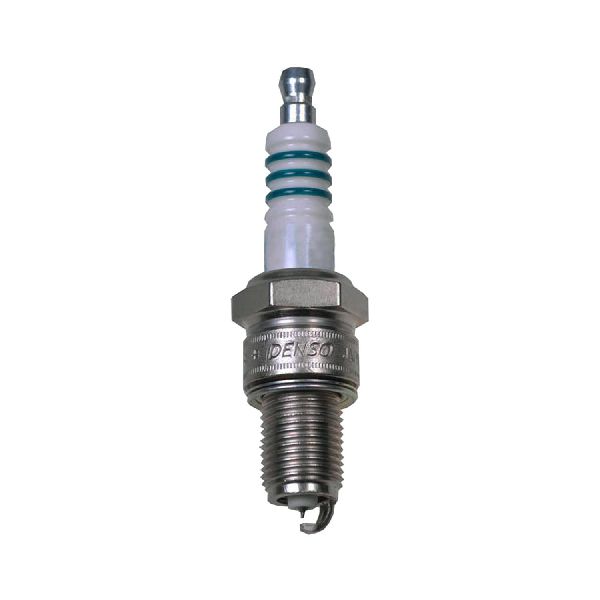
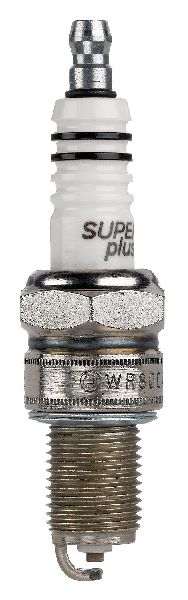
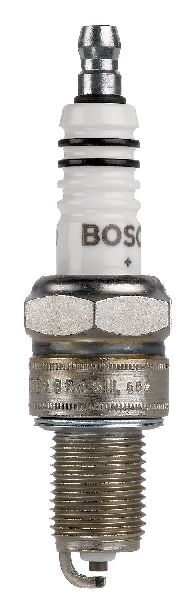
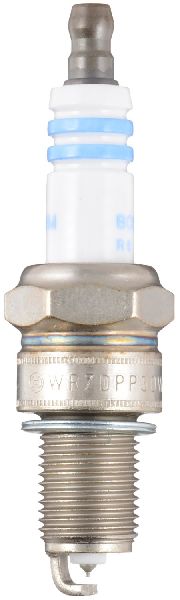
- Tier 2 (Acceptable): Bosch, Denso. Bosch was also an original equipment supplier for Saab, and Denso is a high-quality Japanese manufacturer. However, ensure the specific part number is an exact cross-reference to the recommended NGK plug. Some users have reported issues with certain Bosch platinum plugs.
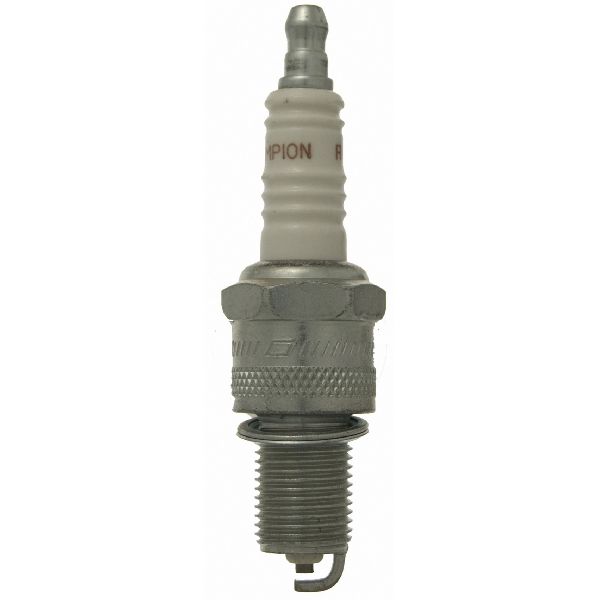
- Tier 3 (Use with Caution): Autolite, Champion. While these are established brands, they are not commonly recommended for classic Saabs. Using them may lead to unpredictable performance.
Known Issues, Recalls, and TSBs
There are no specific recalls or Technical Service Bulletins (TSBs) from the NHTSA for spark plugs on the 1979-1984 Saab 900. The primary "known issue" is the engine's sensitivity to the brand and type of spark plug. Using plugs other than the recommended NGK copper-core versions is a common cause of misfires and poor running that can be difficult to diagnose.
Frequently Asked Questions (FAQ)
What is the correct spark plug gap for a 1979-1984 Saab 900?
The correct spark plug gap is typically between 0.6mm and 0.7mm (0.024" - 0.028"). However, always verify the specification for your exact year and model. It is critical to check the gap on new spark plugs with a feeler gauge and adjust it if necessary before installation.
How often should I replace the spark plugs?
If you use the recommended standard copper NGK plugs, you should plan to replace them every 10,000 to 15,000 miles for optimal performance. This is a simple and inexpensive maintenance job that keeps your classic 900 running its best.
🎬 Watch a classic Saab 900 get tuned up to run like new.What does the 'R' in a spark plug number like 'BCPR7ES' mean?
The 'R' stands for Resistor. Resistor plugs are designed to suppress radio frequency interference (RFI) that can affect your car's radio and other electronics. While later Saabs with advanced electronics absolutely require resistor plugs, some earlier models did not. Using a non-resistor plug in a car that needs one can cause issues, and vice-versa. Check your vehicle's specific requirements.
Can I install the spark plugs myself?
Yes, this is a great DIY job for a beginner. The spark plugs on the Saab 900's inline engine are easily accessible on the top of the engine. You will need a basic socket set with a spark plug socket and an extension. The entire job can usually be done in under an hour.
🎬 See how to replace the distributor cap, rotor, and wires.Helpful Videos
Technical Specifications
OEM Part Numbers: 8814402
Spark Plug Gap: 0.6mm - 0.7mm (0.024" - 0.028"). Recommended Brands: NGK (BP7ES for Turbo, BP6ES for Non-Turbo 8v). Thread Size: M14x1.25. Torque Spec: ~21 lbf-ft (28 Nm).
We Have This Part in Stock

The information in this article is provided for general reference and educational purposes only. Vehicle specifications, procedures, and part compatibility can vary by production date, trim level, and region. Always consult your vehicle's factory service manual and verify part numbers before purchasing or performing repairs. Safety-critical components such as airbags, seat belts, and braking systems should be installed by a qualified professional.
- 🎬 Helpful Videos
- 🛍️ Shop This Part
- Symptoms of Failing Spark Plugs in a Saab 900
- Check Engine Light
- Choosing the Right Aftermarket Spark Plug
- Engine Type Matters
- What About Platinum or Iridium Plugs?
- Aftermarket Brand Tiers
- Known Issues, Recalls, and TSBs
- Frequently Asked Questions (FAQ)
- 🎟️ Get 5% Off