

Choosing the Right Automatic Transmission Mount for Your 1979-1985 GMC K2500
Stop the clunking and vibrations in your classic GMC 4x4 with the correct new transmission mount.
- Clunking when shifting and excessive vibration are the top signs of a failed mount.
- Choose standard rubber mounts (Anchor, Westar) for a stock ride and low cost; choose polyurethane (Prothane, Daystar) for heavy-duty use, but expect more vibration.
- Replacement is a straightforward DIY job that can be done in under two hours with basic tools.
- Always inspect the engine mounts and transmission crossmember when replacing the transmission mount, as they wear out together or can crack.
Is Your K2500's Transmission Mount Failing?
After 40+ years of service, the original rubber on your truck's transmission mount is likely worn out. Heat, age, and leaking fluids cause the rubber to get soft, crack, or completely fall apart. When this happens, the transmission can move around too much, leading to noticeable problems. Ignoring these signs can put extra stress on your engine mounts and driveshaft, leading to more expensive repairs.
Top Symptoms of a Bad Transmission Mount
- Clunking or Banging Noises: This is the most common symptom. You may hear a loud clunk when you shift from Park into Drive or Reverse, or during hard acceleration. This is the sound of the transmission lifting and hitting the underside of the truck.
- Excessive Vibrations: If you feel a new or worsening vibration in the floor or seat, especially when accelerating, your mount may be to blame. The worn rubber can no longer absorb the drivetrain's vibrations.
- Drivetrain Movement: You might feel the entire engine and transmission assembly lurch when you accelerate or let off the gas. A mechanic can confirm this by power-braking the truck (holding the brake and lightly pressing the gas in gear) and watching for excessive engine lift.
Choosing the Right Aftermarket Mount
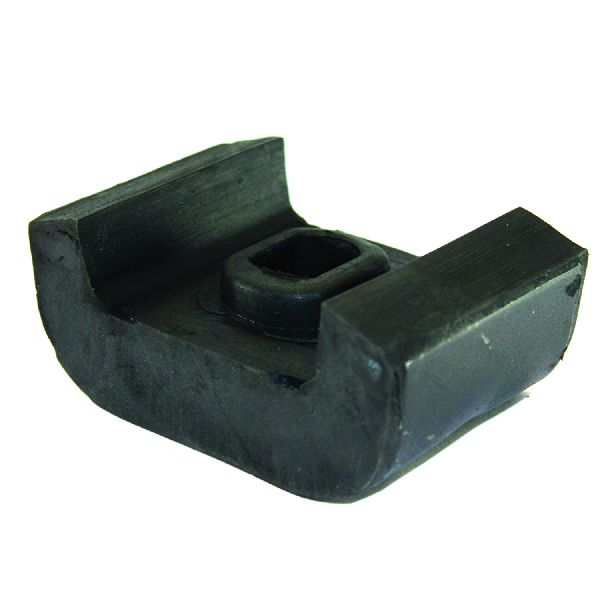
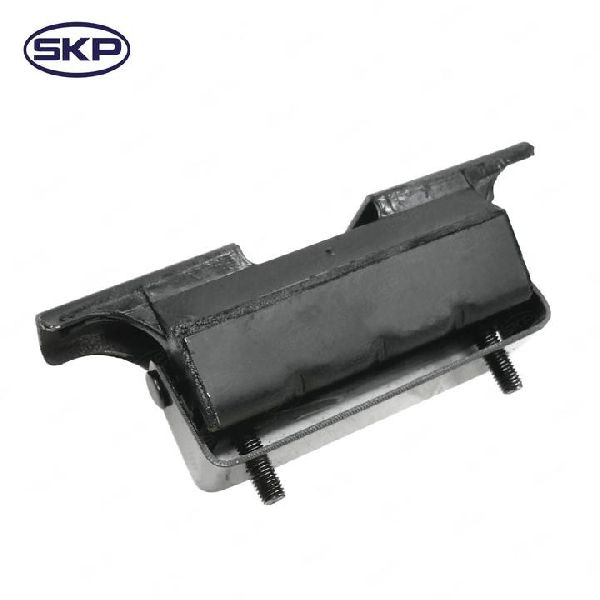
For a 1979-1985 K2500, new OEM mounts are generally not available, so the market consists of aftermarket replacements. Your choice is between standard rubber mounts and performance-oriented polyurethane mounts.
| Mount Type | Best For | Pros | Cons | Brands |
|---|---|---|---|---|
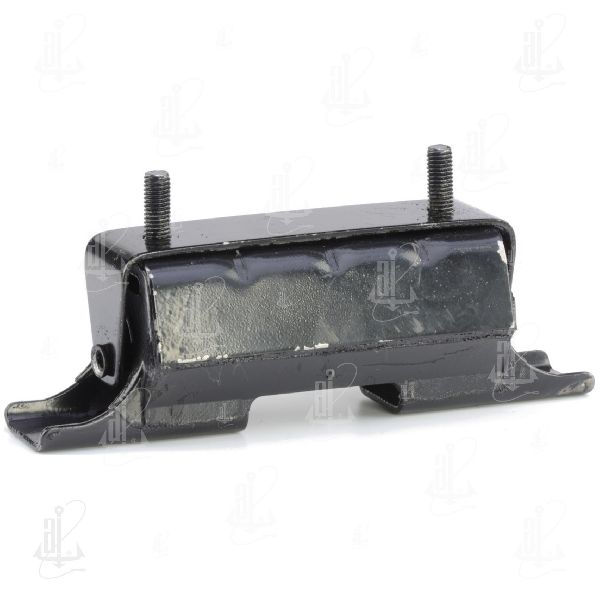
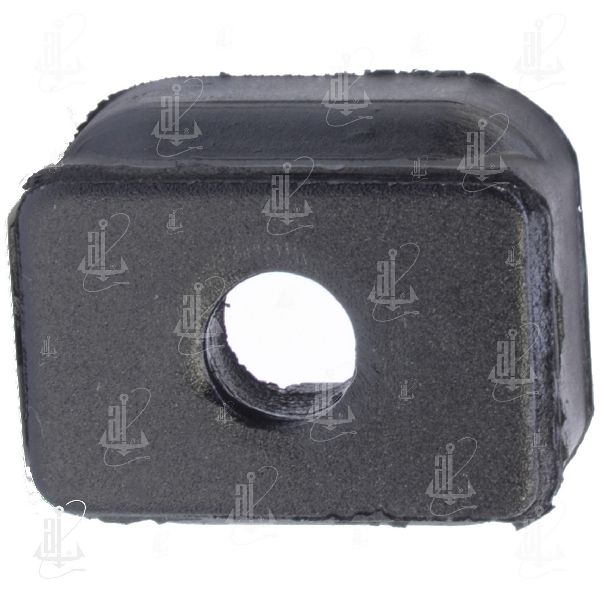
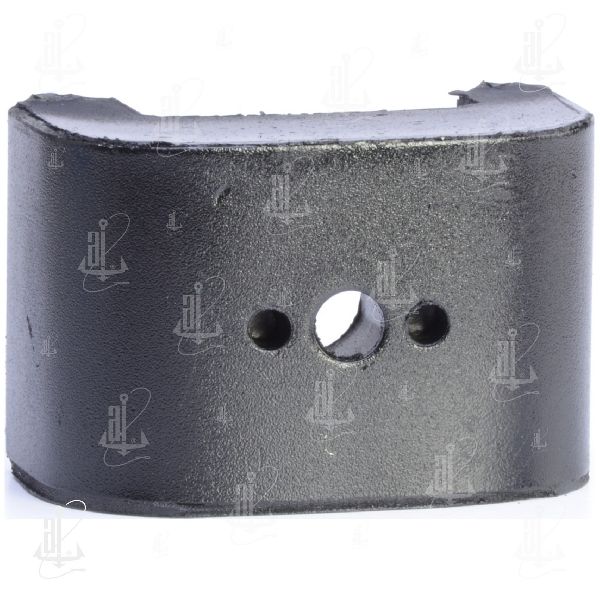
| Standard Rubber | Daily driving, stock ride | Quiet, absorbs vibrations well, low cost | Less durable, can fail from oil contamination | Anchor, Westar, DEA |
| Polyurethane | Towing, hauling, off-roading | Extremely durable, resistant to fluids, controls torque | Transmits more vibration and noise to the cab, higher cost | Prothane, Daystar |
A Note on Budget Brands
While very affordable, brands like Anchor, DEA, and Westar have mixed reviews from mechanics and vehicle owners. Some users report issues with fitment or premature failure compared to original parts. For a daily driver, they are a functional budget option, but for a truck that works hard, investing in a higher-quality polyurethane mount is often recommended.
Pro Tip: Check Your Engine Mounts!
The transmission mount and engine mounts work together to support the drivetrain. If your transmission mount has failed, your engine mounts have been under extra stress and are likely worn out too. It is highly recommended to inspect and replace all three mounts at the same time for the best results.
Frequently Asked Questions (FAQ)
Can I replace the transmission mount myself?
Yes, this is a very DIY-friendly job on a K2500. The process involves supporting the transmission with a floor jack and a block of wood, removing a few bolts, and swapping the part. For most home mechanics with basic tools, it can be done in 1-2 hours.
What's the difference between rubber and polyurethane mounts?
Rubber mounts provide a smoother, quieter ride by absorbing more vibration, similar to the original factory part. Polyurethane mounts are much stiffer and more durable, offering better control of the transmission, which is ideal for heavy-duty use like towing. However, this stiffness means more drivetrain noise and vibration will be felt inside the cab.
Are there any recalls for the transmission mount on my truck?
No. A search of the National Highway Traffic Safety Administration (NHTSA) database shows no recalls or technical service bulletins (TSBs) for the transmission mount on the 1979-1985 GMC K2500. Failures are due to age and wear.
Should I worry about the transmission crossmember?
Yes, it's a good idea to inspect it. On these older GM trucks, the crossmember that the mount bolts to can develop cracks from stress over the years, especially on trucks used for heavy work. Check for cracks near the mounting holes when you replace the mount.
Technical Specifications
OEM Part Numbers: 22188145
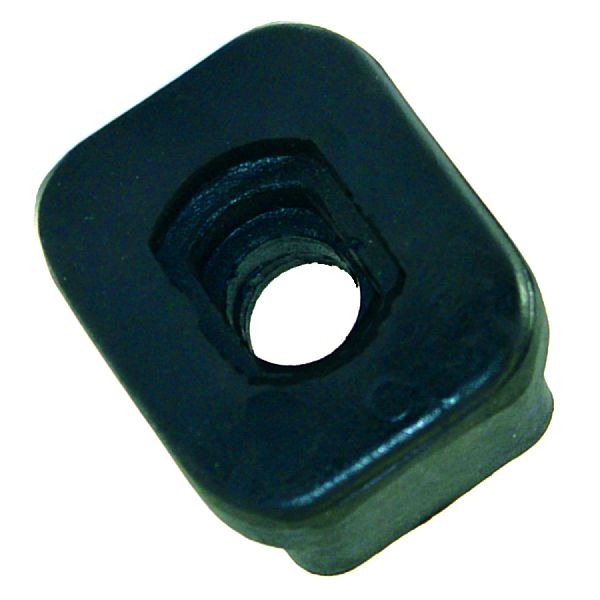
The standard mount for this application is a single-stud design that bolts to the transmission tail housing and passes through the center of the transmission crossmember. Both rubber and polyurethane versions are available. The 4WD K-series trucks use a different mount than 2WD C-series trucks due to the presence of the transfer case.
We Have This Part in Stock

The information in this article is provided for general reference and educational purposes only. Vehicle specifications, procedures, and part compatibility can vary by production date, trim level, and region. Always consult your vehicle's factory service manual and verify part numbers before purchasing or performing repairs. Safety-critical components such as airbags, seat belts, and braking systems should be installed by a qualified professional.