

Choosing the Right Spark Plugs for Your 1979-1985 Mazda 626
Keep your classic 626 running smoothly with the correct new spark plugs.
- Stick with standard nickel/copper spark plugs from NGK or Denso for best results; expensive platinum or iridium plugs are not necessary.
- Always check and adjust the spark plug gap before installation, even if they are pre-gapped.
- Inspect and consider replacing the spark plug wires at the same time, as they are a common failure point on these models.
- Expect to replace standard plugs every 15,000 to 30,000 miles to maintain peak performance.
Symptoms of Failing Spark Plugs in a 1979-1985 Mazda 626
The simple ignition system in the first-generation 626 relies on healthy spark plugs. When they start to wear out, you'll notice. The electrodes erode over time, and deposits can build up, leading to a weak or inconsistent spark. Look for these common signs:
- Rough Idling: The engine may shake or vibrate more than usual when stopped.
- Engine Misfires: You might feel a hesitation or stumble during acceleration, especially when the engine is warm.
- Reduced Fuel Economy: Inefficient combustion from worn plugs means you'll be visiting the gas station more often.
- Difficulty Starting: A weak spark can make it harder for the engine to fire up, particularly in cold weather.
- Poor Acceleration: If the car feels sluggish or lacks its usual power, worn plugs could be the culprit.
Check Your Spark Plug Wires
For this generation of 626, the spark plug wires are just as important as the plugs themselves. If you're replacing the plugs, it's a great time to inspect the wires for cracks, corrosion, or oil contamination. Many owners find that replacing plugs and wires together solves persistent misfire issues.
Choosing the Right Aftermarket Spark Plugs
For a 1979-1985 Mazda 626, you don't need expensive, high-performance plugs. The original ignition system was designed for standard copper or nickel plugs, and they work perfectly. While platinum or iridium plugs are available, they offer little to no performance benefit on this engine and are not worth the extra cost. Sticking with a quality, standard plug is the best approach.
Brand Quality Tiers
Tier 1: OEM Quality (Recommended)
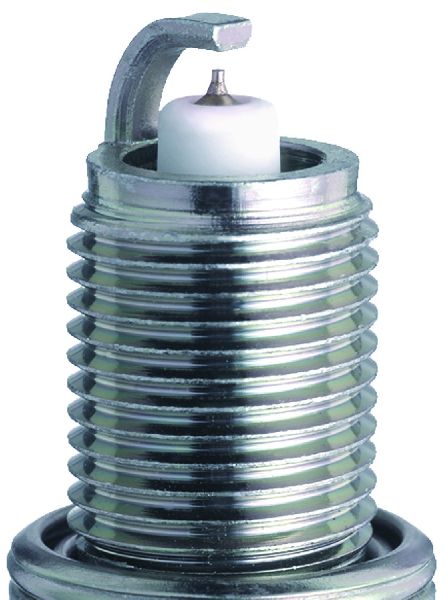
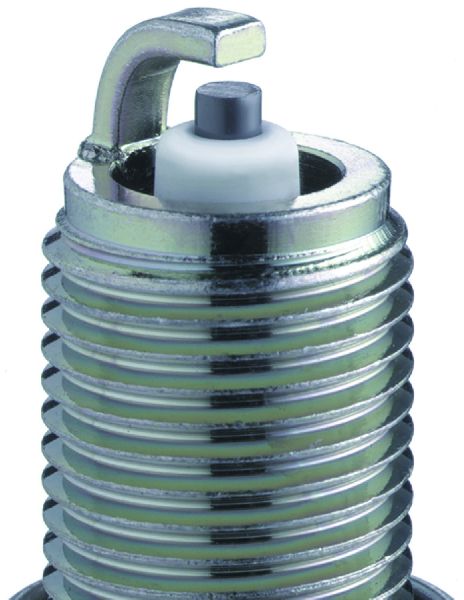
- NGK: As the original equipment supplier for most Japanese vehicles, NGK is the go-to choice. Their standard V-Power plugs are an excellent, affordable option that meets or exceeds factory specifications for your 626.
- Denso: Another top-tier Japanese manufacturer, Denso plugs are a reliable and high-quality alternative to NGK.
Tier 2: Standard Replacement
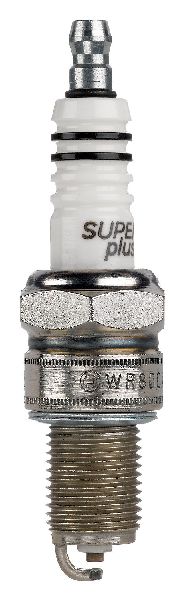
- Bosch: A well-respected German brand that offers dependable standard nickel spark plugs suitable for the 626.
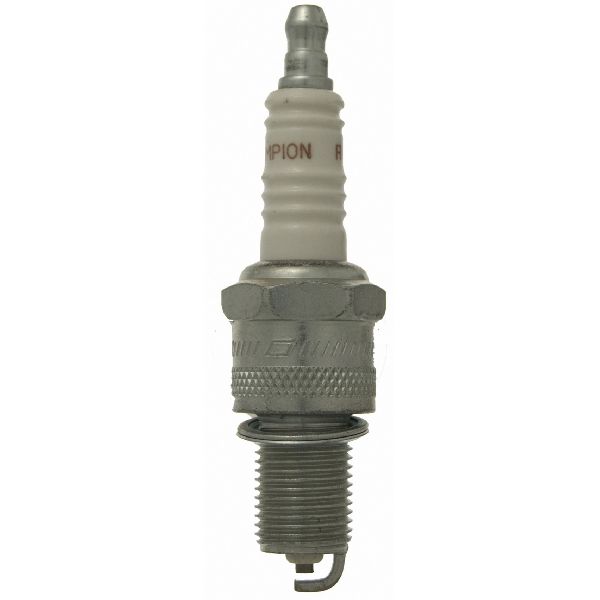
- Champion: Champion's Copper Plus line is a long-standing, reliable choice for standard ignition systems.
- Autolite: A common and trusted brand offering affordable and reliable performance for daily driving.
Always Check the Gap
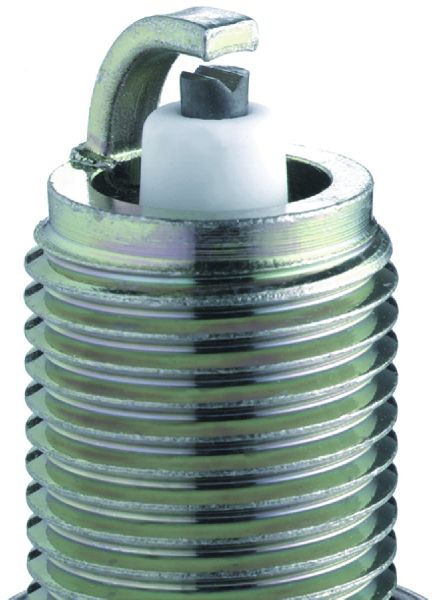
Even if the box says the plugs are "pre-gapped," you must verify the gap with a feeler gauge before installation. An incorrect spark plug gap is a common cause of ignition problems. The correct gap for your specific year and engine is critical for proper performance.
Cost of New Aftermarket Spark Plugs (1979-1985 Mazda 626)
| Brand Tier | Price Range (per plug) |
|---|---|
| Tier 1 (NGK, Denso) | $3.50 - $6.00 |
| Tier 2 (Bosch, Champion, Autolite) | $3.23 - $5.00 |
| Premium (Iridium/Platinum - Not Recommended) | $8.00 - $16.38 |
Frequently Asked Questions
How often should I change the spark plugs on my 626?
For a 1979-1985 Mazda 626 using standard copper/nickel spark plugs, a good replacement interval is every 15,000 to 30,000 miles. Given the age of the vehicle, inspecting them annually is a wise practice.
Are there any recalls for the spark plugs on my Mazda 626?
No, there are no recalls or technical service bulletins (TSBs) from Mazda or the NHTSA related to spark plugs for the 1979-1985 model years.
Can I use iridium or platinum plugs in my classic 626?
You can, but it is not recommended. The ignition systems in these cars were not designed for fine-wire precious metal plugs, so you will not see a noticeable improvement in performance or longevity to justify the higher cost. Standard NGK or Denso plugs are the best match.
What tools do I need to change my spark plugs?
You will need a ratchet, a socket extension, and a 5/8" or 13/16" spark plug socket (which has a rubber insert to protect the plug). You will also need a spark plug gap gauge to ensure the gap is correct before installation. A little dielectric grease for the plug wire boots is also recommended.
Technical Specifications
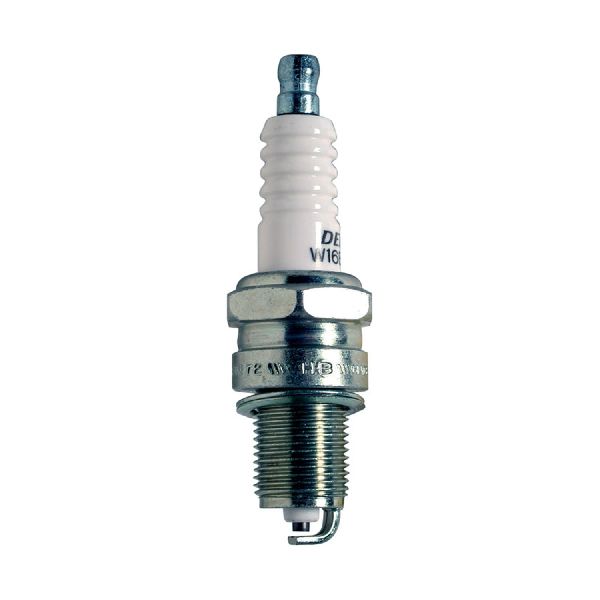
Thread Size: M14x1.25 Spanner Size: 20.8mm (13/16") Gap: Must be set to vehicle manufacturer's specification.
We Have This Part in Stock

The information in this article is provided for general reference and educational purposes only. Vehicle specifications, procedures, and part compatibility can vary by production date, trim level, and region. Always consult your vehicle's factory service manual and verify part numbers before purchasing or performing repairs. Safety-critical components such as airbags, seat belts, and braking systems should be installed by a qualified professional.