

Choosing the Right Catalytic Converter for Your 1979-1985 Saab 900
Everything you need to know before replacing the catalytic converter on your classic Saab 900.
- A failing converter is often a symptom of an engine problem; diagnose the root cause before replacement.
- For this classic Saab, all available new converters are aftermarket. Your choice is between lower-cost universal parts that require welding and easier-to-install direct-fit parts.
- A common issue on the Saab 900 is a rattling heat shield or bracket, which can be mistaken for a failed converter.
- Brands like MagnaFlow offer higher quality and performance but may be louder than stock, while Walker and AP Exhaust are more budget-friendly standard replacements.
Is Your Saab 900 Catalytic Converter Failing?
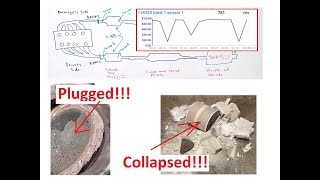
The catalytic converter on a classic Saab 900 can fail for several reasons. Over time, the internal ceramic structure can break down, causing a rattling noise. It can also become clogged with carbon deposits, especially if the engine has other issues like burning oil or a rich fuel mixture. Physical damage from road debris can also compromise the converter. Here are the most common signs that it's time for a replacement:
- Sluggish Performance: A clogged converter restricts exhaust flow, making the engine feel weak and slow to accelerate.
- Rattling Noises: A common issue reported by Saab 900 owners is a rattling noise from the exhaust, which can be caused by a broken converter bracket, a loose heat shield, or the converter's internal components breaking apart.
- Failed Emissions Test: This is often the first and only sign that your converter is no longer working effectively.
- Rotten Egg Smell: A strong sulfur smell from the exhaust can indicate that the converter is not processing the gases correctly.
Pro Tip: Diagnose Before You Replace
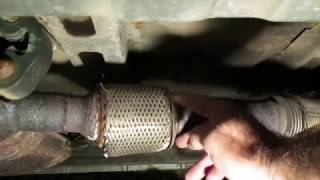
🎬 Watch: A pro guide on how to diagnose a bad converter.A failing catalytic converter is often a symptom of another problem. An engine that runs too rich or burns oil can quickly destroy a new converter. Before spending money on a replacement, ensure your Saab's engine is in good tune to avoid a repeat failure.
Choosing an Aftermarket Converter: Direct-Fit vs. Universal
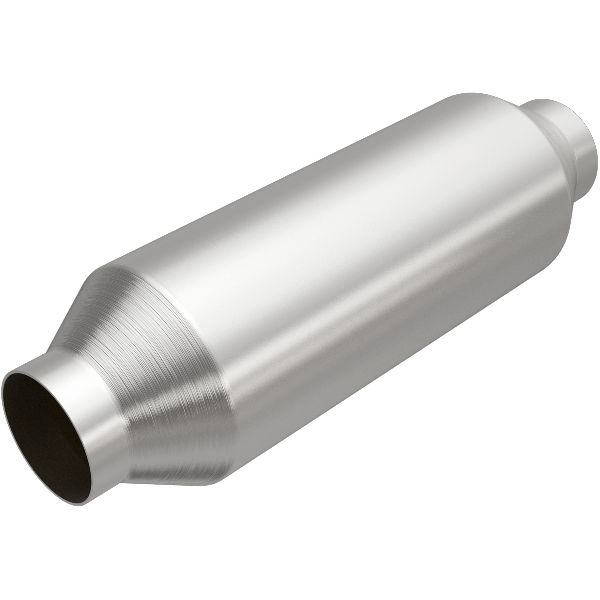
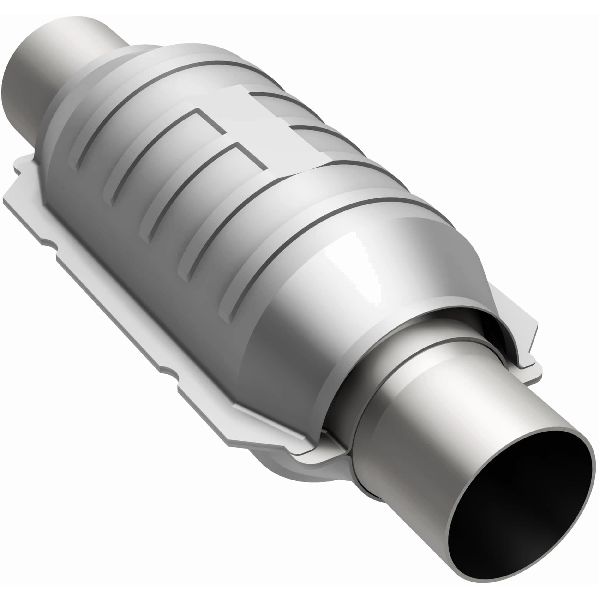
For the 1979-1985 Saab 900, you won't be finding a new OEM converter. All options are aftermarket. Your main choice is between a 'direct-fit' and a 'universal' part.
- Direct-Fit: These are designed to bolt directly into the factory location with no modifications. They are more expensive but make for a much easier and faster installation.
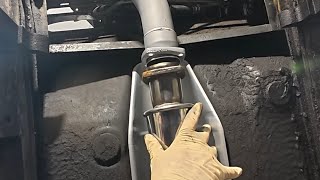
- Universal: These are cheaper but require cutting your existing exhaust pipe and welding the new converter into place. This is a job for an experienced DIYer or a professional exhaust shop. 🎬 See how to install a universal catalytic converter yourself.
Aftermarket Brand Tiers for Your Classic Saab
Several brands offer converters for the classic 900. Quality and price can vary significantly.
- Good - Standard Replacement (AP Exhaust, Walker Exhaust): These brands offer affordable, OE-style replacements. Walker is a well-known name, but some users report issues with longevity and rust on their products. AP Exhaust is often seen as a budget-friendly option. These are suitable for owners needing a basic, functional replacement to pass an emissions test.
- Better - Enhanced Durability (Eastern Catalytic): Eastern positions itself as a professional-grade option with robust construction. They are engineered for pre-OBDII vehicles and often feature higher precious metal loads for better performance and longevity. This is a solid mid-range choice.
- Best - Performance & Quality (MagnaFlow): MagnaFlow is known for high-quality stainless steel construction and performance-oriented design. While they offer standard-grade universal converters, their direct-fit options are often praised for fit and finish. Be aware that some MagnaFlow products may result in a louder, more aggressive exhaust note than the stock Saab system.
Aftermarket Catalytic Converter Cost
| Part Type | Estimated Cost |
|---|---|
| New Aftermarket (Universal) | $85 - $200 |
| New Aftermarket (Direct-Fit) | $200 - $560 |
| Shop Labor (Installation) | $150 - $300 |
Frequently Asked Questions
Are there any recalls for the 1979-1985 Saab 900 catalytic converter?
No. Searches of the National Highway Traffic Safety Administration (NHTSA) database show no specific recalls for the catalytic converter on this vehicle. An unrelated recall for 1980 models involved an exhaust bracket that could cause a transmission leak.
Do I need a special converter for my Saab 900 Turbo?
While the base converter may fit, it's always best to use a part specified for the turbo model. Turbocharged engines produce higher exhaust temperatures and flow rates. A high-flow converter, like those from MagnaFlow, is a good option to ensure you don't restrict performance.
Can I just remove the catalytic converter?
Removing the catalytic converter is illegal in all 50 states for on-road vehicles. It will also cause your car to fail any emissions inspection. While some owners replace the converter with a straight pipe for off-road use, it is not recommended for a daily driven car.
Why is my new catalytic converter rattling?
If a brand new converter is rattling, it is likely defective. However, a common issue on the Saab 900 is rattling from the converter's heat shield or mounting bracket, not the converter itself. Before replacing the converter, make sure the noise isn't coming from one of these related parts, which can often be secured or replaced separately.
🎬 Watch this quick tip for finding the source of exhaust rattles.Helpful Videos
Technical Specifications
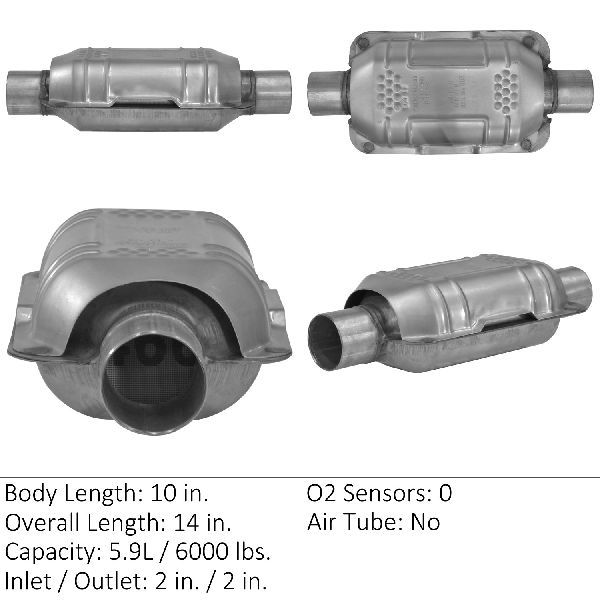
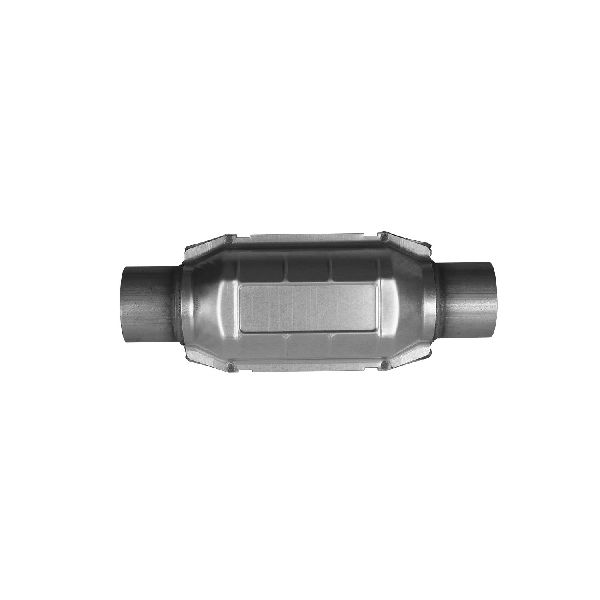
The 1979-1985 Saab 900 uses a single, underbody catalytic converter. Aftermarket options are available in both universal (requiring welding) and direct-fit (bolt-on) configurations. Most universal converters for this application will have a 2.25-inch inlet/outlet. Construction materials vary from aluminized steel on budget models to full stainless steel on premium brands.
We Have This Part in Stock

The information in this article is provided for general reference and educational purposes only. Vehicle specifications, procedures, and part compatibility can vary by production date, trim level, and region. Always consult your vehicle's factory service manual and verify part numbers before purchasing or performing repairs. Safety-critical components such as airbags, seat belts, and braking systems should be installed by a qualified professional.
- 🎬 Helpful Videos
- 🛍️ Shop This Part
- Is Your Saab 900 Catalytic Converter Failing?
- Pro Tip: Diagnose Before You Replace
- Choosing an Aftermarket Converter: Direct-Fit vs. Universal
- Aftermarket Brand Tiers for Your Classic Saab
- Aftermarket Catalytic Converter Cost
- Frequently Asked Questions
- 🎟️ Get 5% Off