

Radiator Coolant Hose Guide for the 1979-1986 Cadillac DeVille
Keep your classic Cadillac's engine cool and prevent overheating by understanding when and how to replace your radiator hoses.
- A failing radiator hose can cause critical engine overheating, especially in models with the HT4100 engine.
- Symptoms include leaks, visible damage like cracks or swelling, a spongy feel, and a rising temperature gauge.
- Quality aftermarket brands like Dayco and Gates are the standard replacement choice; ensure you order the correct part for your specific engine.
- Replacing hoses is a manageable DIY task, but if you're unsure, professional installation is affordable and prevents mistakes.
Signs of a Failing Radiator Hose
A bad radiator hose can cause major engine problems. Look for these warning signs to catch a failure before it happens.
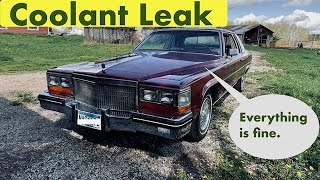
- Coolant Leaks: This is the most obvious sign. You might see puddles of green, yellow, or pink fluid under the front of your car. You may also notice a sweet smell after driving. 🎬 Watch: Finding a coolant leak that isn't where you first look.
- Engine Overheating: If your dashboard temperature gauge climbs into the red, a leaking or blocked hose could be the cause.
- Visible Damage: Check your hoses. If you see cracks, splits, or bulging, the hose is weak and needs to be replaced. A hose that feels brittle and hard or very soft and spongy is also a sign of internal damage.
- Collapsed Hose: The lower radiator hose can sometimes suck itself flat when the engine is running. This creates a blockage and will cause the engine to overheat.
- Low Coolant Light: A constantly low coolant level, often triggering a warning light, means the fluid is escaping from somewhere, and a bad hose is a common culprit.
A Special Note for 1982-1985 DeVille Owners (HT4100 Engine)
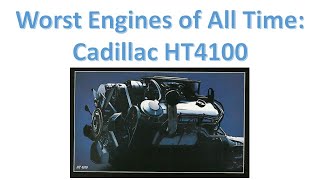
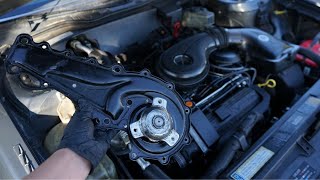
If your DeVille has the 4.1L V8, known as the HT4100, your cooling system requires extra attention. These engines were known for having serious overheating issues that could lead to catastrophic engine failure. Problems like internal coolant leaks and blown head gaskets were common. For this engine, a failing radiator hose is not just a minor leak—it's a critical risk. Never ignore signs of a bad hose or overheating with an HT4100 engine.
🎬 Watch: Why the HT4100 is high-risk and how to preserve it.Choosing the Right Aftermarket Hose
For a classic car like the 1979-1986 DeVille, original equipment (OEM) hoses from Cadillac are generally not available. The market standard is new aftermarket parts, which offer good quality and value.
- Tier 1 Aftermarket (Dayco, Gates): Both Dayco and Gates are well-respected brands that produce reliable radiator hoses. Some mechanics have a personal preference, with some finding Gates offers a better fit while others feel Dayco hoses are slightly thicker. The most important factor is getting a hose with the correct shape and bends to match the original. Both brands are considered a dependable choice for your DeVille.
Common Ordering Mistake
The 1979-1986 Cadillac DeVille came with several different engines, including various V8s and even a diesel option. Radiator hoses are specific to the engine in your car. Always verify your DeVille's engine size before ordering to ensure you get the correct part.
| Part Type | Cost Range |
|---|---|
| New Aftermarket Hoses (Dayco, Gates) | $21.65 - $81.73 (for a set) |
| Shop Labor | $100 - $225 |
Frequently Asked Questions
How many radiator hoses does my DeVille have?
Your DeVille has two main radiator hoses: an upper hose and a lower hose. It also has smaller heater hoses that are part of the cooling system, which you should inspect at the same time.
Can I replace the radiator hoses myself?
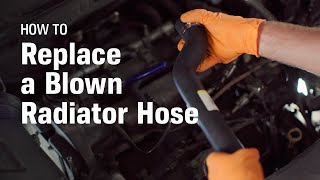
Yes, this is a job that a DIYer with basic tools can typically handle. You will need a drain pan, screwdrivers or pliers for the clamps, and new coolant. The process involves draining the coolant, removing the old hoses, installing the new ones, and refilling the system.
🎬 See this walkthrough on how to replace a blown radiator hose.Should I replace the hose clamps too?
It is highly recommended to replace the hose clamps when you replace the hoses. Old clamps can weaken over time and may not provide a secure seal, leading to leaks. Many mechanics prefer using new worm-drive clamps over reusing old spring-style clamps.
What type of coolant should I use in my 1979-1986 DeVille?
For these classic models, the traditional green or yellow inorganic acid technology (IAT) coolant is generally appropriate. Always mix it 50/50 with distilled water. Check your owner's manual for the specific recommendation for your model year and engine, especially for the HT4100, which had specific coolant requirements including a sealing supplement from GM.
Helpful Videos

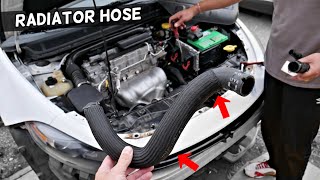
Technical Specifications
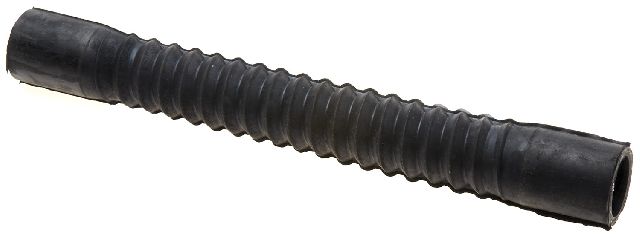
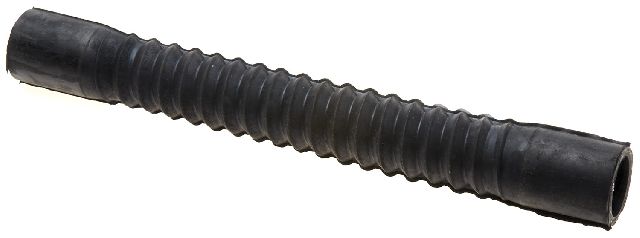
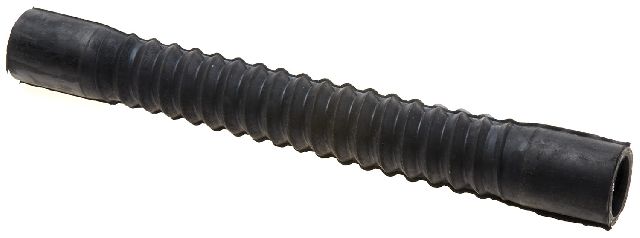
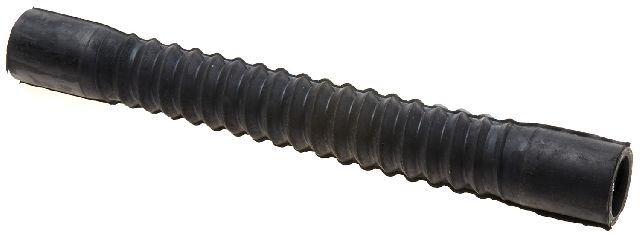
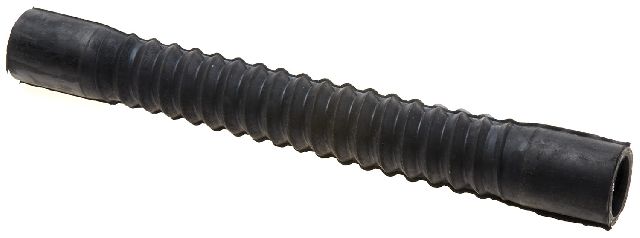
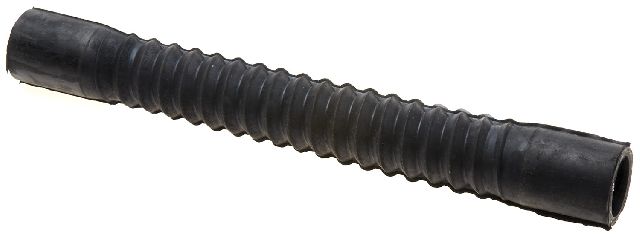
Radiator hoses for the 1979-1986 Cadillac DeVille are engine-specific. They are typically made of reinforced EPDM rubber and are pre-molded to fit around engine components. The upper hose connects the top of the radiator to the engine's thermostat housing, while the lower hose connects the bottom of the radiator to the water pump.
We Have This Part in Stock

The information in this article is provided for general reference and educational purposes only. Vehicle specifications, procedures, and part compatibility can vary by production date, trim level, and region. Always consult your vehicle's factory service manual and verify part numbers before purchasing or performing repairs. Safety-critical components such as airbags, seat belts, and braking systems should be installed by a qualified professional.