

Choosing and Replacing a Carburetor on a 1979-1986 GMC C1500
Keep your classic GMC running strong by understanding its carburetor needs.
- Common failure symptoms include rough idle, black smoke, poor fuel economy, and hesitation.
- Edelbrock is a great choice for daily-driver reliability, while Holley offers more tuning for performance builds.
- You may need a square-bore to spread-bore adapter plate to fit a new carb to your stock intake manifold.
- For a stock V8, a carburetor rated between 500-650 CFM is typically the best choice.
Is Your Carburetor Failing? Common Symptoms
A failing carburetor on your GMC C1500 can cause a number of noticeable problems. Because this part controls the air-fuel mixture, even small issues can affect how your truck drives.
Watch for These Signs:
- Rough Idle: The engine may shake, sputter, or sound unstable when you're stopped. This is a common sign that the air-fuel mixture is incorrect at low speeds.
- Black Exhaust Smoke: If you see thick, dark smoke from the tailpipe, it means the engine is running "rich," or burning too much fuel. This can foul your spark plugs and waste gas.
- Hard Starts: Difficulty starting the engine, especially when it's cold, can point to a problem with the carburetor's choke or its ability to provide the right starting mixture.
- Hesitation or Stumbling: If the truck bogs down or hesitates when you press the gas, the carburetor may not be delivering fuel quickly enough.
- Poor Fuel Economy: A sudden drop in gas mileage can happen if the carburetor is leaking fuel or sending too much into the engine.
- Backfiring: A pop or bang from the exhaust or through the carburetor can be caused by an improper air-fuel ratio.
Choosing the Right Aftermarket Carburetor
For a vehicle from this era, finding a brand-new OEM carburetor is not a realistic option. Your choices are new aftermarket parts, remanufactured units, or rebuilding your original. Aftermarket carburetors from brands like Holley and Edelbrock are popular upgrades that can improve reliability and performance.
Brand Tiers for Your GMC C1500
Tier 1: Holley (Performance Focus)
Holley carburetors are legendary in the performance world. They are known for their high degree of tunability, making them a top choice for owners who want to get the most horsepower out of their engine. They have a modular design that allows for extensive customization. This fine-tuning capability can be complex, making them better suited for enthusiasts with some tuning experience.
Tier 2: Edelbrock (Street & Reliability Focus)
Edelbrock carburetors are very popular for daily drivers and street-driven trucks. They are designed to be easy to install and often run well right out of the box with minimal tuning. Their design is simpler and known for being reliable and less prone to leaks. For a straightforward, dependable replacement that can still offer a performance boost over a worn-out original, Edelbrock is a very common choice.
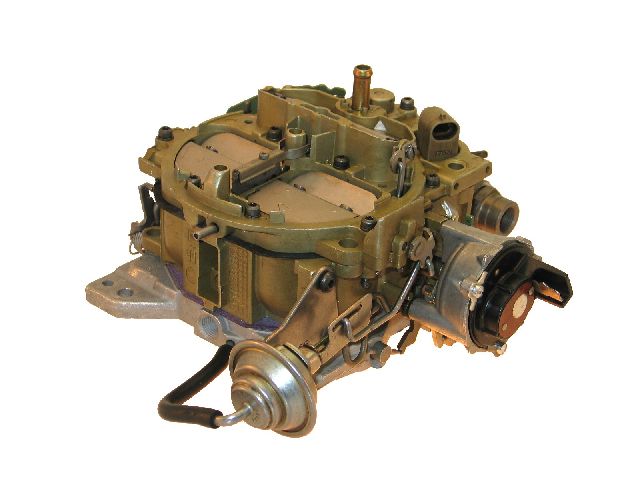
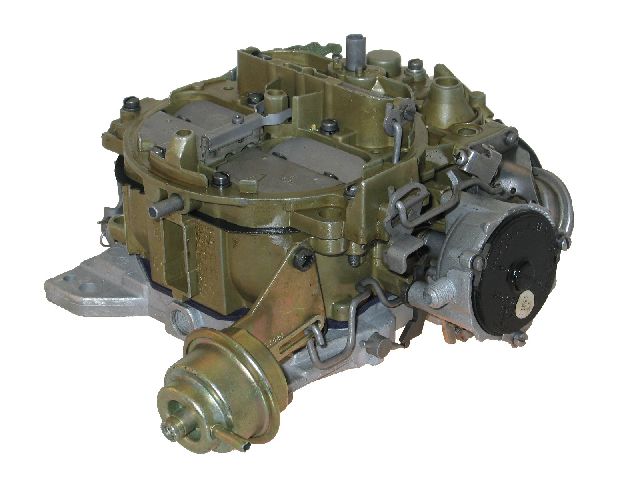
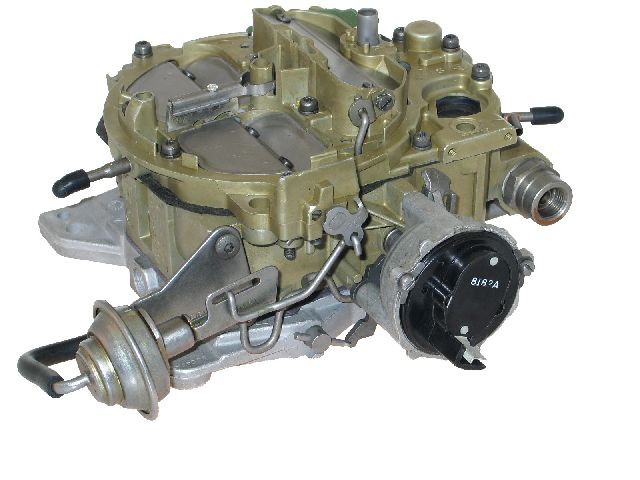
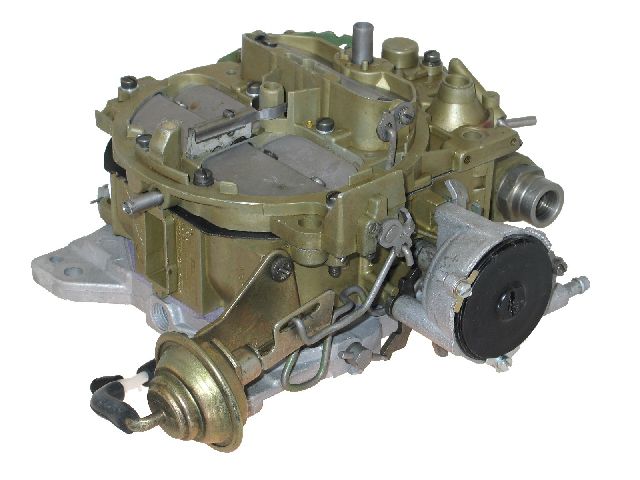
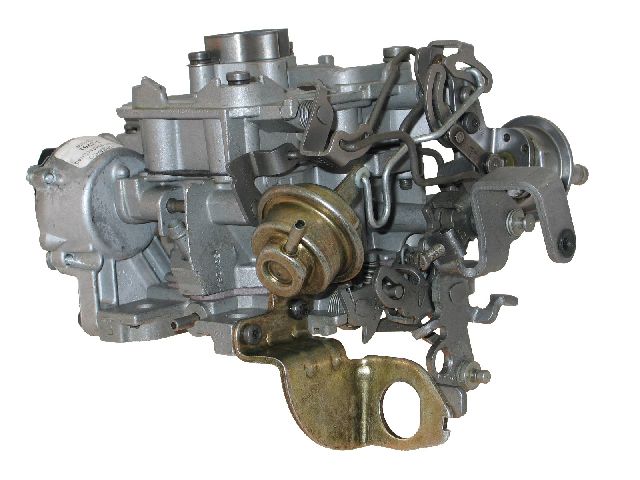
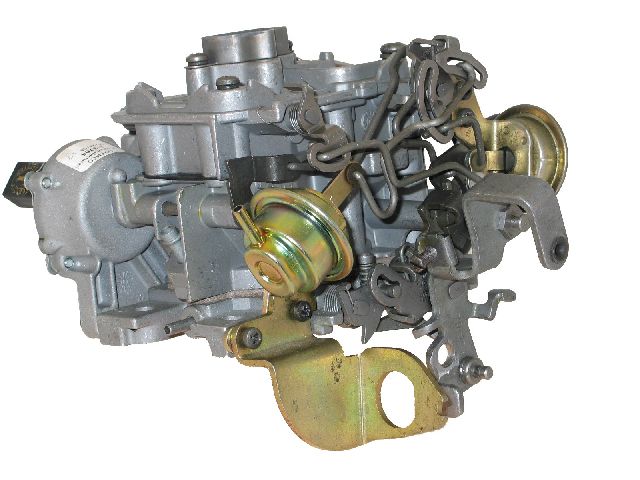
Tier 3: Uremco (Remanufactured OEM-Style)
Uremco specializes in remanufacturing carburetors to original factory specifications. This can be a good budget-friendly option if you want to maintain the original look and function. However, as with any remanufactured part, quality can sometimes be inconsistent. Some users report they work perfectly, while others have found issues like missing or broken small parts upon arrival.
Pro Tip: Check for Vacuum Leaks First!
Before you spend money on a new carburetor, check all the vacuum hoses connected to the engine and carb. On an older truck, rubber hoses can crack and cause vacuum leaks. The symptoms of a vacuum leak—like a rough idle, stalling, and a hissing sound—can be almost identical to a bad carburetor. A simple visual inspection or a spray test can save you time and money.
Estimated Costs for Carburetor Replacement
| Part Type | Estimated Cost |
|---|---|
| New Aftermarket (Edelbrock, Holley) | $368 - $590 |
| Remanufactured (Uremco) | $240 - $450 |
| Shop Labor | $150 - $300 |
Frequently Asked Questions
Do I need a special adapter to install an aftermarket carburetor?
Possibly. Many original GMC intake manifolds used a "spread-bore" design for the stock Rochester Quadrajet carburetor. Most aftermarket carbs like Holley and Edelbrock use a "square-bore" pattern. If this is the case, you will need a simple adapter plate to mount the new carburetor correctly. Check the product description before you buy.
What is CFM and how much do I need for my truck?
CFM stands for Cubic Feet per Minute, and it measures how much air the carburetor can flow. For a stock or mildly modified V8 engine (like a 305 or 350) in a C1500, a carburetor in the 500 to 650 CFM range is usually ideal. A carb that is too large can actually hurt performance and drivability, so bigger is not always better.
Should I rebuild my original Quadrajet instead?
If you have the original Rochester Quadrajet, rebuilding it is a valid option. When working correctly, they are excellent carburetors known for good fuel economy and performance. However, rebuilding can be complex, and finding a mechanic who is an expert on them can be difficult. If your goal is a quick and reliable fix, a new aftermarket unit is often easier.
What is the difference between an electric choke and a manual choke?
The choke is a plate that closes to help a cold engine start. An electric choke, common on most aftermarket carbs, does this automatically using power from your truck's electrical system. A manual choke is controlled by a cable you pull from inside the cab. Most replacements will be electric choke for convenience.
Technical Specifications
OEM Part Numbers: 17058621 17058622 17058623 17059640 17059641 17066397 17080621 17081624 17082670 17085213
Original carburetors were typically Rochester 2-barrel (2SE/Varajet) or 4-barrel (Quadrajet M4ME/M4MED) models, often with an electric or hot air choke. Aftermarket replacements are commonly 4-barrel with a square-bore flange and electric choke.
We Have This Part in Stock

The information in this article is provided for general reference and educational purposes only. Vehicle specifications, procedures, and part compatibility can vary by production date, trim level, and region. Always consult your vehicle's factory service manual and verify part numbers before purchasing or performing repairs. Safety-critical components such as airbags, seat belts, and braking systems should be installed by a qualified professional.