

A/C Compressor Guide for the 1979-1986 GMC G2500 Van
If your G2500's A/C is blowing warm or making noise, this guide will help you choose the right replacement compressor.
- First, identify if your van has the heavy-duty A6 compressor or the less reliable R4 'pancake' compressor, as they are not directly interchangeable.
- When replacing the compressor, you MUST also replace the accumulator/drier and the orifice tube to prevent immediate failure of the new part.
- If the old compressor failed internally, the entire A/C system must be professionally flushed to remove metal debris before installing new parts.
- Aftermarket brand quality can be inconsistent; be prepared for the possibility of warranty claims and be diligent about proper installation procedures.
Is Your G2500's A/C Compressor Failing?
When an A/C compressor starts to go bad, it gives you a few warning signs. Ignoring them can lead to more expensive repairs down the road. If the compressor seizes completely, it can snap the drive belt, leaving you stranded.
- Warm Air From Vents: The most obvious symptom. If the compressor isn't pressurizing the refrigerant, you won't get cold air.
- Loud Noises: Grinding, whining, or rattling sounds when you turn the A/C on point to failing internal bearings or a bad clutch.
- Visible Leaks or Oil Spray: The compressor contains oil to stay lubricated. You might see oily residue on the compressor body or a stripe of oil slung onto the underside of your hood.
- Clutch Not Engaging: The outer part of the compressor pulley should spin with the belt. When you turn on the A/C, the clutch plate on the front should click and engage, spinning with the pulley. If it doesn't move, or cycles on and off rapidly, there's a problem.
Pro Tip: Identify Your Compressor Type (A6 vs. R4)
Before you buy, you must know which compressor your van has. They are not interchangeable without changing brackets and hoses.
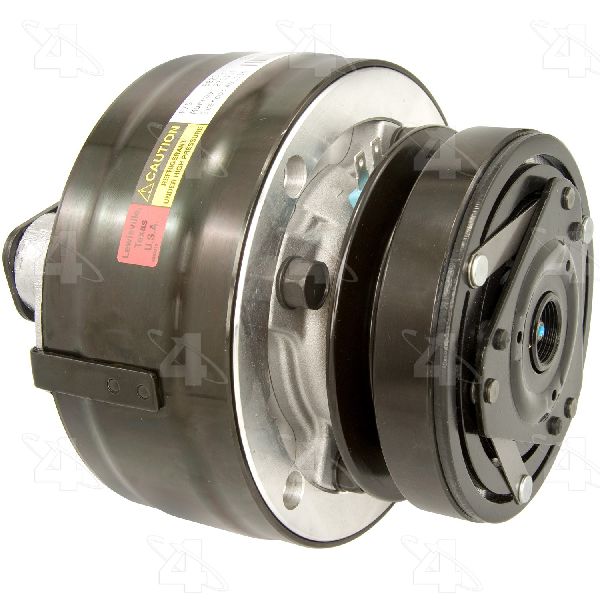
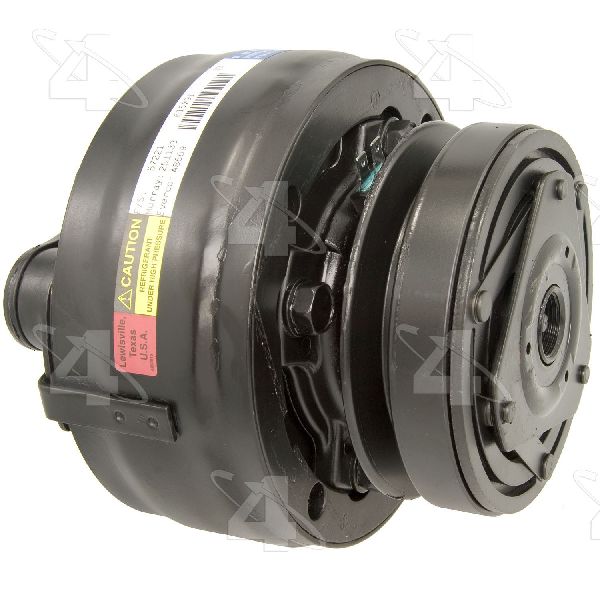
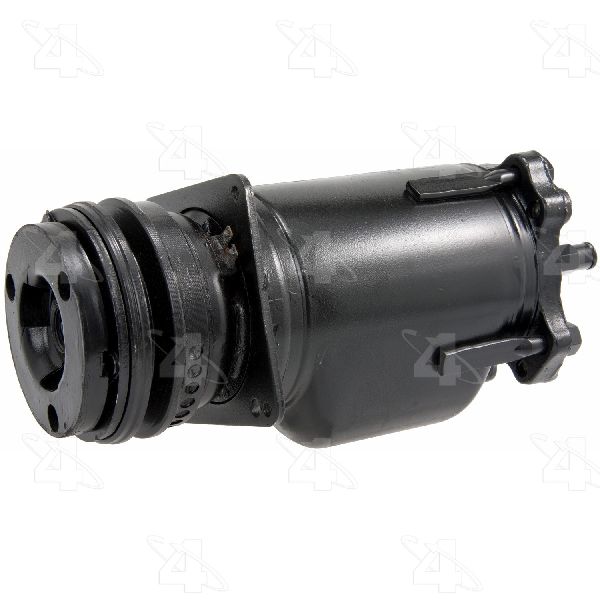
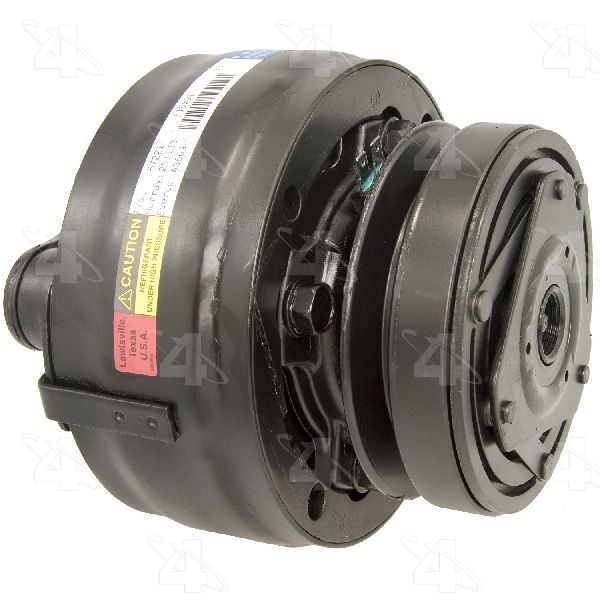
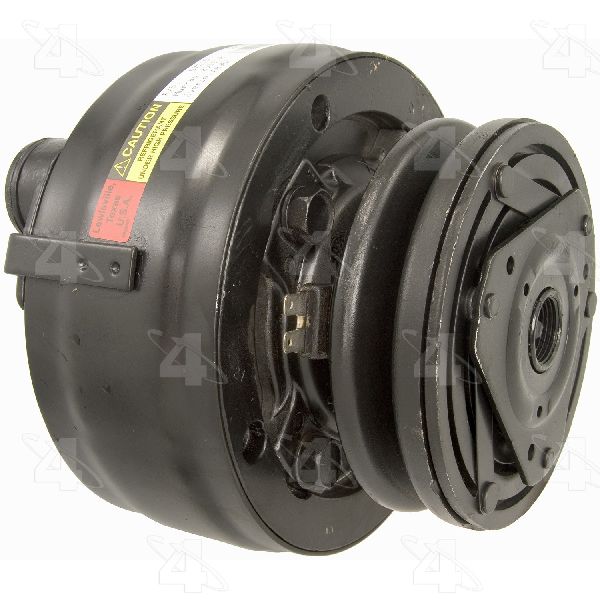
- GM A6 Compressor: This is a long, heavy, cylindrical compressor, often called the "long-style" or "cigar" compressor. It's known for being extremely durable but is also famous for minor oil seepage from the front shaft seal, which was considered normal by design. This seepage gets worse if the A/C isn't used regularly.
- GM R4 Compressor: This is a smaller, round compressor often called the "pancake" style. It has a much worse reputation for reliability. They are known to leak refrigerant from the spot welds and seals where the outer can meets the body of the compressor. Bearing and catastrophic failures are more common with the R4.
Choosing the Right Aftermarket A/C Compressor
For a vehicle from this era, new original GM parts are generally not available. Your choice is between new aftermarket parts or remanufactured units. Many owners have had poor experiences with remanufactured compressors, making new aftermarket parts a popular, if sometimes inconsistent, choice.
Brand Reputations
Based on owner feedback and forum discussions, here is an honest look at the available brands:
- Four Seasons: This is a widely available brand with very mixed reviews. Some owners report success, but a significant number of reports mention premature failures, such as bad bearings or leaks, sometimes within only a year or two of installation. It is often considered a budget-friendly but potentially less reliable option.
- Global Parts (GPD): GPD is another major aftermarket supplier. While there are fewer direct owner reviews for this specific vehicle, they market their compressors as being 100% leak and durability tested. They are generally seen as a standard aftermarket replacement part.
Important: System Contamination
If your old compressor failed internally (a "grenade"), it sent metal shavings throughout your entire A/C system. If you don't flush the system thoroughly and replace the accumulator and orifice tube, this debris will destroy your new compressor almost immediately. This is the most common reason for a brand-new compressor failing right after installation.
Cost of Replacing Your A/C Compressor
Here is a general cost estimate for replacing the A/C compressor on a 1979-1986 GMC G2500. Prices can vary based on your location and specific van configuration.
| Part/Service | Estimated Cost |
|---|---|
| New Aftermarket Compressor | $165 - $756 |
| Shop Labor (including system evacuation & recharge) | $250 - $500 |
| Total Estimated Cost | $415 - $1256+ |
Costs are estimates and do not include related parts like the accumulator, orifice tube, or refrigerant, which should always be replaced at the same time.
Frequently Asked Questions
What else must I replace with the compressor?
You must replace the A/C Accumulator (or Receiver/Drier) and the Orifice Tube. The accumulator contains a desiccant bag that absorbs moisture, and it's only effective for one use. Opening the system to replace the compressor exposes it to air and moisture. Failing to replace these parts is a primary cause of new compressor failure and will void the warranty on the new part.
Why did my new compressor fail after only a few months?
The most common reason is contamination from the previous compressor failure. If the old unit broke apart internally, metal debris must be flushed from the evaporator, condenser, and hoses. Other causes include incorrect oil amount/type or not pulling a deep vacuum on the system before recharging, which leaves moisture that can turn to ice and cause damage.
Should I convert my system from R12 to R134a refrigerant?
Since R12 is expensive and hard to find, most owners convert to R134a. When converting, you must use a compatible oil (Ester oil is often recommended as it can mix with residual R12 mineral oil). Be aware that R134a runs at higher pressures, which can stress older components, especially the less-durable R4 compressors. Your system may also not cool as effectively at idle without a high-efficiency fan.
What is a Sanden compressor conversion?
Many G-series van owners choose to upgrade from the old A6 or R4 to a modern, efficient Sanden-style compressor. These compressors require less engine power to run and are generally more reliable. However, this requires a special conversion kit that includes mounting brackets to adapt the new compressor to your engine.
Technical Specifications
OEM Part Numbers: 6555302
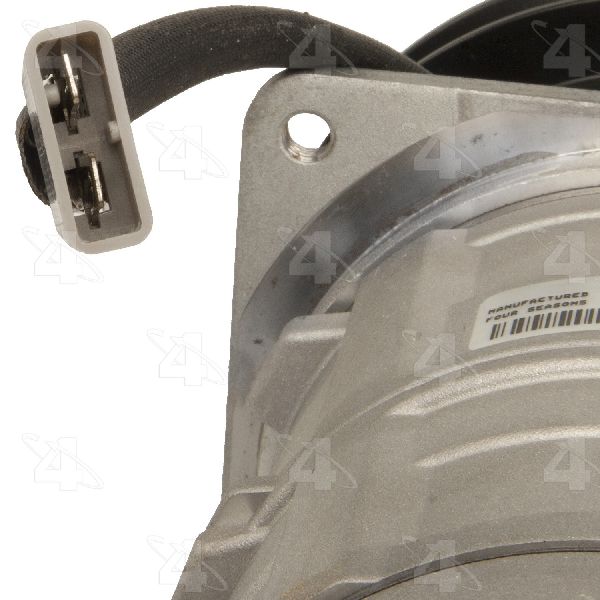
Primary specification is identifying the compressor type: GM A6 (long, cylindrical body) or GM R4 (round, 'pancake' body). Mounting points and hose connections differ between the two. The drive belt will be a V-Belt type. Ensure the replacement has the correct clutch and pulley configuration for your specific engine.
We Have This Part in Stock

The information in this article is provided for general reference and educational purposes only. Vehicle specifications, procedures, and part compatibility can vary by production date, trim level, and region. Always consult your vehicle's factory service manual and verify part numbers before purchasing or performing repairs. Safety-critical components such as airbags, seat belts, and braking systems should be installed by a qualified professional.