

Guide to the Distributor Ignition Pickup for the 1979-1986 GMC P3500
Keep your GMC P3500's engine firing on time by understanding this critical ignition component located inside your distributor.
- A failing pickup coil can cause a no-start, stalling, or rough running condition in your P3500.
- Test the coil's resistance (500-1500 ohms) before replacing it to confirm failure.
- Replacing the entire distributor is often an easier and more reliable repair than just the pickup coil.
- Standard Ignition is a reputable aftermarket brand for this component.
Understanding the Role of the Ignition Pickup in Your P3500
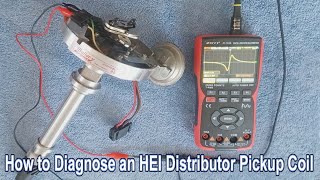
For GMC P3500 models from 1979 to 1986, the ignition system is a GM High Energy Ignition (HEI) setup. This system combines the coil, cap, and ignition module into one unit—the distributor. Buried at the bottom of the distributor is the ignition pickup, or pickup coil. Its job is to generate the timing signal that tells the rest of the ignition system when to fire. Because it's a magnetic sensor with fine wire windings, it can fail from heat, age, and vibration, leading to a no-spark condition or intermittent problems 🎬 Watch this guide on diagnosing a faulty HEI pickup coil. that can be hard to diagnose.
Symptoms of a Failing Distributor Ignition Pickup
A bad pickup coil can mimic other ignition problems, but there are common signs. The most severe symptom is a sudden no-start condition where the engine cranks but there is no spark. Other symptoms include the engine stalling after it warms up, rough idling, backfiring, and a noticeable loss of power. These issues can be intermittent at first, making them frustrating to pinpoint. The fine wires in the coil can break, causing an open circuit that only appears when the engine gets hot and the wires expand.
Critical Failure Warning
A failing ignition pickup can cause your engine to shut off without warning while driving. This is a serious safety risk, as you will lose power steering and power brakes. If you suspect an issue, it's best to address it immediately.
Choosing the Right Aftermarket Part
For a vehicle of this age, new Original Equipment (OEM) parts from GM are virtually nonexistent. The aftermarket is your primary source for a replacement ignition pickup. Fortunately, reputable brands have been making these parts for decades.
Standard Ignition (Standard Motor Products - SMP): This is a well-established and trusted brand in the professional mechanic community. They offer replacement ignition pickups that are designed to meet or exceed original specifications. While some online reviews for specific part numbers (like the LX204, which fits other vehicles) show instances of out-of-the-box failures, SMP is generally considered a reliable choice for quality and durability, balancing cost and performance effectively.
Pro Tip: Consider a Full Distributor Replacement
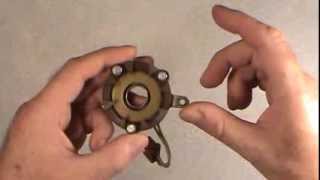
Replacing just the pickup coil requires completely disassembling the distributor, which can be a complex job. For a similar cost in parts and potentially less labor time, you can often buy a complete new or remanufactured distributor that includes a new pickup coil, ignition module, cap, and rotor. This can save time and prevent future failures of other old components.
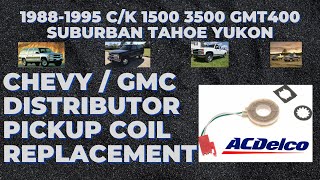
🎬 Follow this step-by-step video to replace your distributor's pickup coil.Typical Replacement Costs
The cost for a new aftermarket distributor ignition pickup is relatively low, but labor can add up due to the need to remove and disassemble the distributor.
| Item | Estimated Cost |
|---|---|
| New Aftermarket Part (Pickup Coil Only) | $49.63 - $57.39 |
| Shop Labor | $150 - $250 |
| Total Professional Repair | $200 - $310 |
| Alternative: Complete Aftermarket Distributor | $100 - $200+ (Part Only) |
Frequently Asked Questions (FAQ)
How do I test my GMC P3500's ignition pickup?
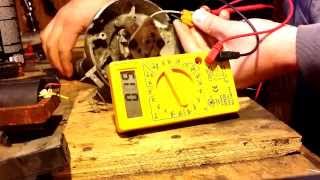
You can test the pickup coil with a multimeter. It should have a resistance between 500 and 1500 ohms between its two connector pins. You should also check for any continuity between each pin and the distributor body (ground); the reading should be infinite (an open circuit). Wiggling the wires during the test can help identify intermittent breaks.
🎬 See how to test your pickup coil using a multimeter.Where is the ignition pickup located?
It is located inside the distributor, underneath the rotor and a metal shield. To access it, you must remove the distributor cap, rotor, and other components, and likely pull the distributor from the engine to fully disassemble it.
Was there a recall for the ignition system on the 1979-1986 GMC P3500?
No. While GM had major ignition switch recalls in the 2010s, they affected much newer passenger cars and were for the key switch, not the distributor pickup coil. Any failures on a 1979-1986 P3500 are due to the age and wear of the components.
Should I replace the ignition module at the same time?
It is a common practice and often recommended. The ignition module and pickup coil work together and are subjected to the same harsh heat and vibration inside the distributor. If you are already disassembling the unit to replace the pickup coil, replacing the module as well can be good preventative maintenance and save you from doing the same job twice.
Helpful Videos
Technical Specifications
The key specification is the resistance value, which should be between 500 and 1500 ohms.
We Have This Part in Stock


The information in this article is provided for general reference and educational purposes only. Vehicle specifications, procedures, and part compatibility can vary by production date, trim level, and region. Always consult your vehicle's factory service manual and verify part numbers before purchasing or performing repairs. Safety-critical components such as airbags, seat belts, and braking systems should be installed by a qualified professional.
- 🎬 Helpful Videos
- 🛍️ Shop This Part
- Understanding the Role of the Ignition Pickup in Your P3500
- Symptoms of a Failing Distributor Ignition Pickup
- Critical Failure Warning
- Choosing the Right Aftermarket Part
- Pro Tip: Consider a Full Distributor Replacement
- Typical Replacement Costs
- Frequently Asked Questions (FAQ)
- 🎟️ Get 5% Off