

Engine Oil Pressure Switch & Sender Guide: 1979-1986 GMC P3500
Diagnose a faulty oil pressure gauge or light and choose the right replacement part for your workhorse P3500.
- Verify if you need a 'switch' (for a light) or a 'sender' (for a gauge) before purchasing.
- A flickering light or erratic gauge is the most common symptom, but always check for physical oil leaks from the sensor itself.
- For a critical sensor, choosing a reputable aftermarket brand like Standard Ignition is a worthwhile investment for reliability.
- Always check your engine oil level first to rule out a true low oil condition before replacing the part.
Is Your GMC P3500 Oil Pressure Gauge Acting Up?
A faulty oil pressure switch is a common issue on older GM trucks. Because your P3500's engine works hard, maintaining proper oil pressure is key to its longevity. Ignoring the signs of a bad switch can be risky. Luckily, it's an inexpensive and simple part to replace.
Symptoms of a Failing Oil Pressure Switch
Watch for these common signs that your oil pressure switch or sender is going bad:
- Flickering Oil Light: The oil warning light on your dash may flicker, especially at idle when oil pressure is naturally lower.
- Incorrect Gauge Readings: If you have a gauge, it might read zero, max out, or jump around erratically. A reading that is consistently lower than normal is also a common complaint.
- Visible Oil Leak: The sensor itself can fail and leak oil. You might see oil on the sensor body, the electrical connector, or dripping from the back of the engine.
Don't Ignore the Warnings
While a faulty sensor is the most likely culprit for a gauge or light issue, you should never assume. Always check your oil level first. If the oil level is fine but the engine is making ticking or knocking noises, you may have a serious internal engine problem. Do not continue to run the engine.
Choosing the Right Aftermarket Switch
For a vehicle from this era, new OEM parts from GM are generally not available. The market consists of new aftermarket parts. Quality can vary, so it's wise to choose a reputable brand for such a critical sensor.
| Brand Tier | Our Brands | Assessment |
|---|---|---|
| Best Quality | Standard Ignition (SMP) | Standard is a well-respected aftermarket manufacturer known for producing quality electronic components that meet or exceed original specifications. They are often a top choice for professional mechanics and DIYers who want a reliable, long-lasting part. |
| Good Quality | Rostra Powertrain | Rostra is known for quality powertrain and transmission electronics. Customer reviews for their sensors are generally positive, citing good quality and reliability, making them a solid choice. |
| Standard / Value | Global Parts | Global Parts Distributors (GPD) offers a value-oriented option. While they meet fit and form requirements, long-term durability may not match that of premium brands. This is a budget-friendly choice for less critical applications. |
Pro Tip: Switch vs. Sender
Before ordering, confirm if your P3500 has an oil pressure warning light or a gauge. A 'switch' is for a light, while a 'sender' or 'sending unit' is for a gauge. They look similar but are not interchangeable. Using the wrong one will result in the light/gauge not working correctly.
Frequently Asked Questions (FAQ)
Where is the oil pressure switch located on a 1979-1986 GMC P3500?
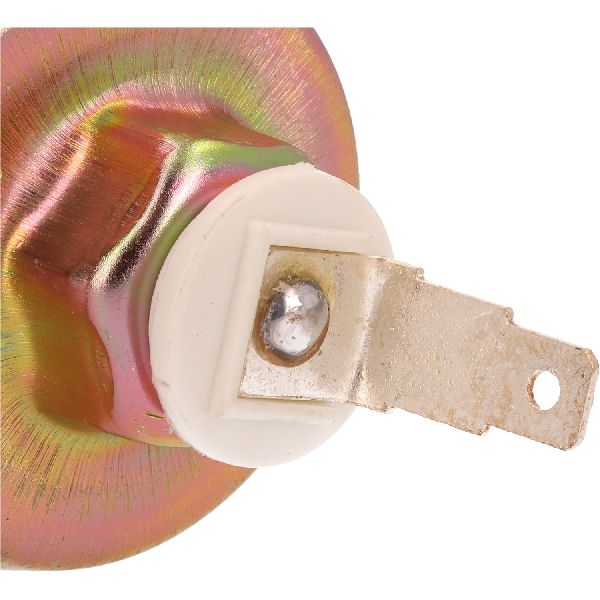
The oil pressure switch/sender is typically located on the engine block, near the distributor, slightly to the driver's side. It is a small, canister-shaped sensor with a single electrical connector.
Can I replace the oil pressure switch myself?
Yes, this is a very DIY-friendly job. It requires basic hand tools, including a special socket designed for oil pressure switches. Access can be a bit tight, but it does not require lifting the vehicle. The part simply unscrews from the engine block.
Should I use thread sealant or tape on the new switch?
Many new switches come with sealant already applied. If not, you can use a small amount of thread sealant. Avoid using too much PTFE tape, as the switch needs a good metal-to-metal connection with the engine block to be properly grounded for an accurate reading.
Why is my new oil pressure gauge reading different from the old one?
This can happen. Aftermarket senders, even from good brands, can be calibrated slightly differently than the 30+ year old original part. As long as the gauge shows a healthy pressure that rises with engine RPM and doesn't drop to zero, it is likely working correctly. The key is to note the new 'normal' reading for your truck.
Are there any recalls for the oil pressure switch on this truck?
No, searches of the NHTSA database did not find any recalls or technical service bulletins (TSBs) specifically related to the engine oil pressure switch for the 1979-1986 GMC P3500. Any recalls found for GM trucks are for much newer models and different engine issues.
Technical Specifications
The key specification is whether the part is a switch for a warning light or a sending unit for a pressure gauge. For sending units, they are typically calibrated for a 0-60 PSI gauge used in these GM trucks. The electrical connection is a single spade-style terminal.
We Have This Part in Stock


The information in this article is provided for general reference and educational purposes only. Vehicle specifications, procedures, and part compatibility can vary by production date, trim level, and region. Always consult your vehicle's factory service manual and verify part numbers before purchasing or performing repairs. Safety-critical components such as airbags, seat belts, and braking systems should be installed by a qualified professional.