

Your Guide to the 1979-1986 Mercury Capri Mechanical Fuel Pump
Solve stalling and poor performance by choosing the right fuel pump for your carbureted Fox Body Capri.
- A failing mechanical fuel pump causes sputtering, stalling when hot, power loss, or a no-start condition.
- Always replace the fuel filter at the same time as the pump to prevent damage to the new part.
- Brand quality varies; Edelbrock is well-regarded for performance builds, while recent Carter quality is questionable, and economy brands are a gamble.
- This is a DIY-friendly job, but you must work safely due to the fire risk from spilled gasoline.
Signs of a Failing Mechanical Fuel Pump
When a mechanical fuel pump starts to fail, it starves the engine of fuel. The symptoms can sometimes be mistaken for carburetor or ignition problems. Being aware of the specific signs can save you time and money on diagnostics.
- Engine Sputtering or Hesitation: The car may sputter or hesitate during acceleration because the pump can't supply enough fuel to meet the engine's demand.
- Stalling, Especially When Hot: A common symptom is the engine stalling after it has warmed up. Heat can worsen the condition of a weak diaphragm, causing fuel pressure to drop and the engine to quit. The car may restart after it cools down.
- Loss of Power: You might notice your Capri feels sluggish or lacks power, especially when going uphill or under heavy throttle. This is a sign that the engine is running lean (too much air, not enough fuel).
- Engine Cranks but Won't Start: If the pump has failed completely, no fuel will reach the carburetor, and the engine will not start. You can check for this by safely removing the fuel line at the carburetor to see if fuel spurts out while cranking the engine.
- Visible Fuel Leak: The pump housing is sealed with a diaphragm. Over time, this material can crack and leak fuel onto the side of the engine. This is a serious fire hazard and requires immediate attention.
Choosing the Right Aftermarket Fuel Pump
Since your 1979-1986 Capri is a classic, original Ford (OEM) mechanical fuel pumps are no longer in production. The market consists entirely of aftermarket brands. These can be grouped into tiers based on quality, performance, and price.
Performance Tier: Edelbrock & Holley
For owners looking for enhanced performance and durability, especially on modified engines, these brands are the top choice. They often have higher flow rates (measured in GPH or Gallons Per Hour).
- Edelbrock: Generally receives positive reviews for quality and being made in the USA. A key feature is a “clockable” lower housing, which can be rotated to make aligning fuel lines easier during installation. They are known for providing consistent fuel pressure (around 6 PSI) right out of the box, often without needing a separate regulator.
- Holley: A legendary name in performance, but reviews on their standard mechanical pumps are mixed. While some users have great success, others have reported receiving pumps with casting flaws or issues with the actuator arm pin. Holley offers a very wide range, from standard replacements to high-end billet aluminum pumps capable of supporting over 1,000 horsepower.
Standard Replacement Tier: Carter & Delphi
These brands aim to provide OEM-equivalent quality for daily drivers and stock vehicles.
- Delphi: A well-respected manufacturer of OEM parts for many car companies. They are often recommended as a reliable, quality replacement.
- Carter: Historically a top-tier OEM supplier, but recent owner experiences suggest a decline in quality control. Multiple reports exist of new Carter pumps failing prematurely, sometimes within weeks, due to diaphragm failure. Some users also report new pumps being excessively noisy. While a Carter pump may work fine, the number of negative reports indicates a potential risk.
Economy Tier: Spectra, GMB, US Motor Works
These brands offer the most budget-friendly options. They are a viable choice for a quick repair on a stock vehicle, but long-term durability can be a concern.
- Spectra: Experiences with Spectra are inconsistent. One owner reported two different pumps failing and falling apart within two years. However, another user preferred a Spectra pump to a brand-new, noisy Carter they had installed. Buying from this tier can be a gamble on longevity.
Pro Tip: Replace the Fuel Filter
Always install a new fuel filter when replacing your fuel pump. Debris from the old pump or fuel tank can quickly damage the new one. Failing to replace the filter may also void the part's warranty.
Typical Replacement Costs
The cost for a new aftermarket mechanical fuel pump for a 1979-1986 Mercury Capri can vary significantly based on the brand and performance level.
| Part Type | Estimated Cost |
|---|---|
| New Aftermarket Pump | $38 - $263 |
| Shop Labor | $100 - $195 |
Warning: Work Safely with Fuel
Gasoline is highly flammable. When replacing your fuel pump, work in a well-ventilated area, disconnect the battery, and have a fire extinguisher nearby. Avoid any sources of sparks or open flames.
Frequently Asked Questions
Can I replace the mechanical fuel pump myself?
Yes, this is a DIY-friendly job for someone with basic mechanic's tools. Access is typically from underneath the car. The job involves disconnecting two fuel lines, removing two bolts, cleaning the old gasket material from the engine block, and installing the new pump.
Do I need a high-performance fuel pump?
For a stock or lightly modified engine, a standard replacement pump is sufficient. High-performance pumps from brands like Edelbrock or Holley are designed for engines with significant upgrades (like a performance carburetor, camshaft, or cylinder heads) that require a higher volume of fuel.
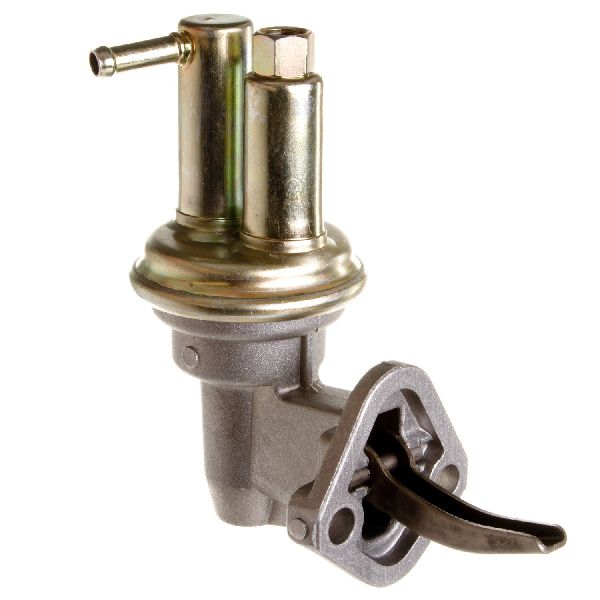
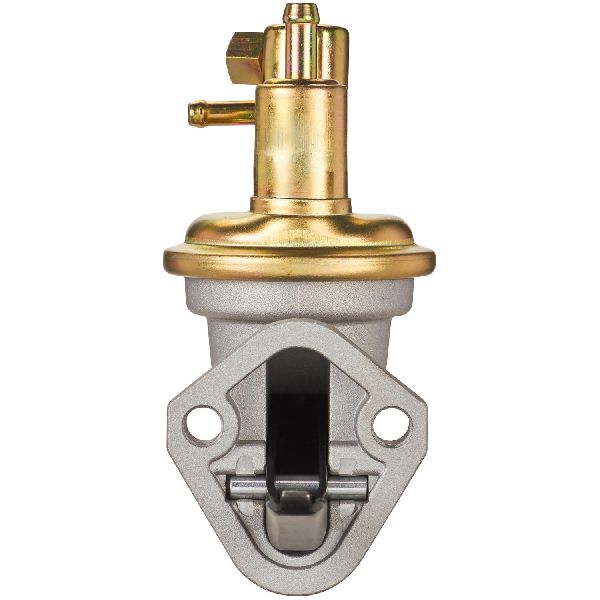
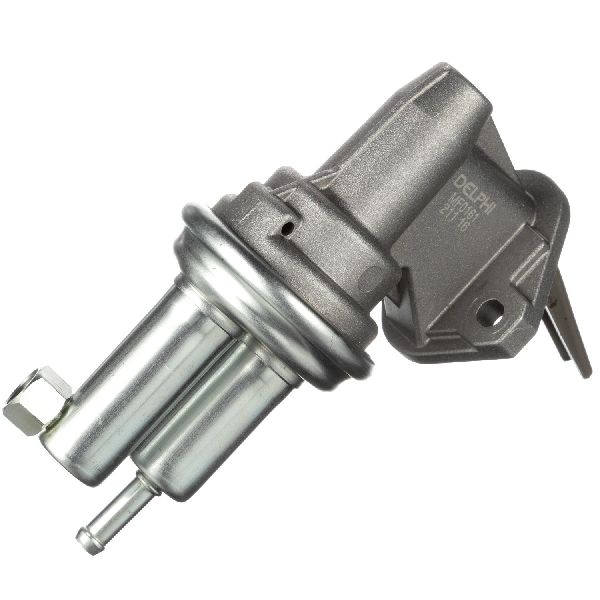
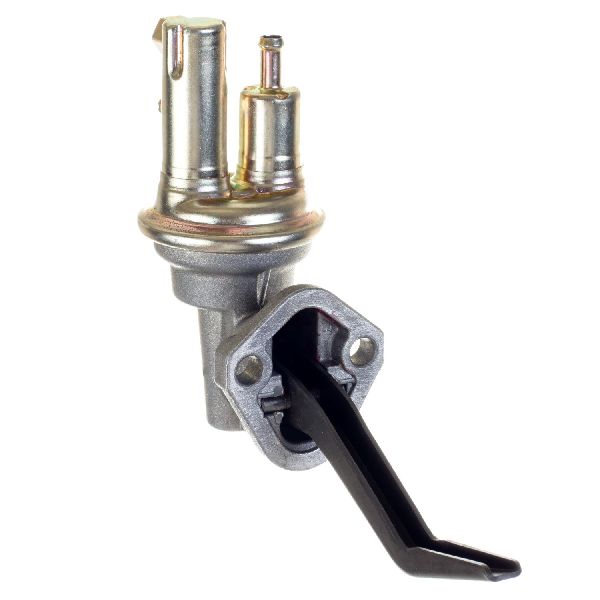
What is the difference between a 2-port and 3-port fuel pump?
A 2-port pump has a fuel inlet and an outlet to the carburetor. A 3-port pump adds a third line for a fuel return back to the tank. This return line helps prevent vapor lock by circulating cooler fuel from the tank through the pump. If your Capri was originally equipped with a 3-port pump, you must replace it with another 3-port model.
Why did my new fuel pump make a loud ticking noise?
A loud ticking or rattling noise from a new pump is often a sign of poor manufacturing. It can be caused by excessive play in the actuator arm that rides on the camshaft. If you install a new pump and hear this noise, it's best to exchange it for another one.
Technical Specifications
Pump Type: Mechanical, Camshaft Actuated. Operating Pressure: Approximately 5-7 PSI for standard carbureted applications.
We Have This Part in Stock
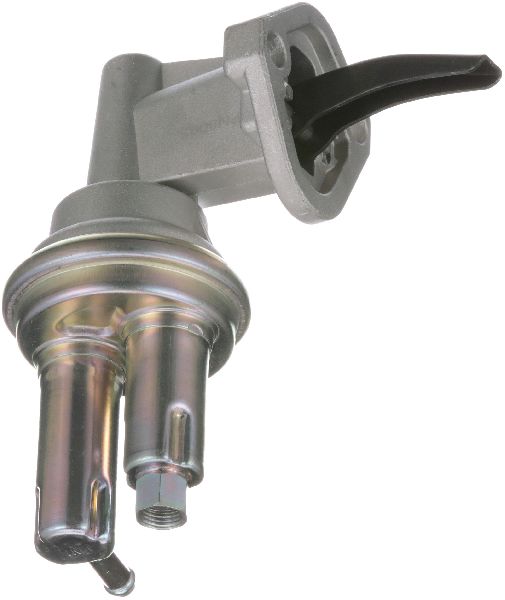
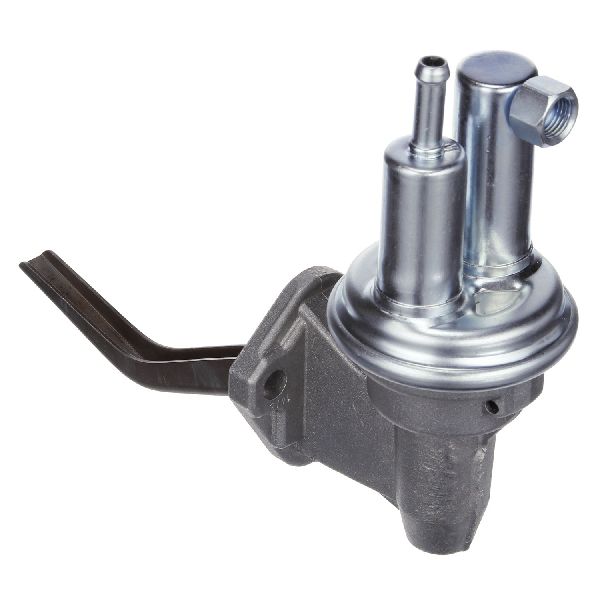

The information in this article is provided for general reference and educational purposes only. Vehicle specifications, procedures, and part compatibility can vary by production date, trim level, and region. Always consult your vehicle's factory service manual and verify part numbers before purchasing or performing repairs. Safety-critical components such as airbags, seat belts, and braking systems should be installed by a qualified professional.
- 🛍️ Shop This Part
- Signs of a Failing Mechanical Fuel Pump
- Choosing the Right Aftermarket Fuel Pump
- Performance Tier: Edelbrock & Holley
- Standard Replacement Tier: Carter & Delphi
- Economy Tier: Spectra, GMB, US Motor Works
- Pro Tip: Replace the Fuel Filter
- Typical Replacement Costs
- Warning: Work Safely with Fuel
- Frequently Asked Questions
- 🎟️ Get 5% Off