

A Guide to the Engine Timing Set for the 1979-1986 Pontiac Parisienne
Understanding the common failure points of the original timing set and how to choose a durable aftermarket replacement.
- The original timing set's nylon cam gear is a common failure point; always upgrade to an all-steel aftermarket set.
- Symptoms of failure include engine rattling, poor performance, and plastic/metal shavings in the oil.
- Quality aftermarket brands like Cloyes, Melling, and Sealed Power offer reliable, upgraded replacements.
- It is highly recommended to replace the water pump and associated gaskets during the timing set replacement.
Signs of a Failing Timing Set
A worn timing set on your Parisienne will give you some clear warning signs. The most common issue on these GM engines was the original camshaft gear, which had nylon-coated teeth. Over time, the nylon becomes brittle, breaks off, and falls into the oil pan. This causes the timing chain to become very loose.
Watch for these symptoms:
- Engine Rattling: A loose timing chain will often make a rattling or clattering noise from the front of the engine, especially at idle or on startup.
- Poor Performance: As the chain slack increases, the camshaft timing becomes inaccurate. This can lead to a rough idle, hesitation, loss of power, and reduced fuel economy.
- Engine Misfires: If the chain stretches enough to jump a tooth on one of the gears, it will throw the timing off significantly, causing the engine to misfire.
- Metal or Plastic in Oil: When changing your oil, you might find pieces of the broken nylon gear teeth or metal shavings from the chain in the used oil or oil pan. This is a definite sign of timing set failure.
The Original GM Nylon Cam Gear Problem
From the 1960s through the 1980s, GM used camshaft gears with nylon-coated teeth in many of their V8 and V6 engines to reduce noise. While quiet when new, these gears are a well-known failure point. Heat and age cause the nylon to crack and break away. The debris can clog the oil pump pickup screen, potentially starving the engine of oil and causing catastrophic failure. When replacing your timing set, upgrading to an all-metal gear set is not just a repair, it's a significant durability improvement.
Choosing the Right Aftermarket Timing Set
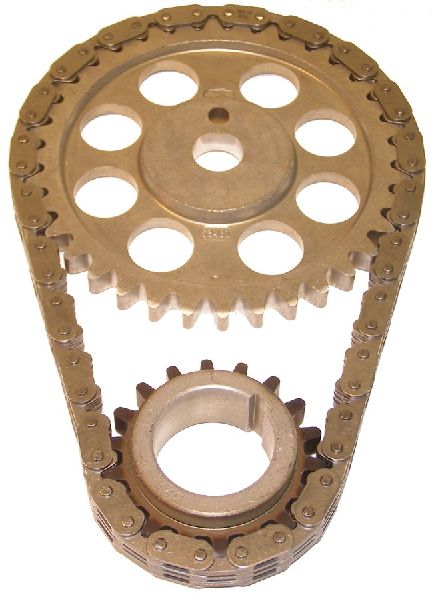
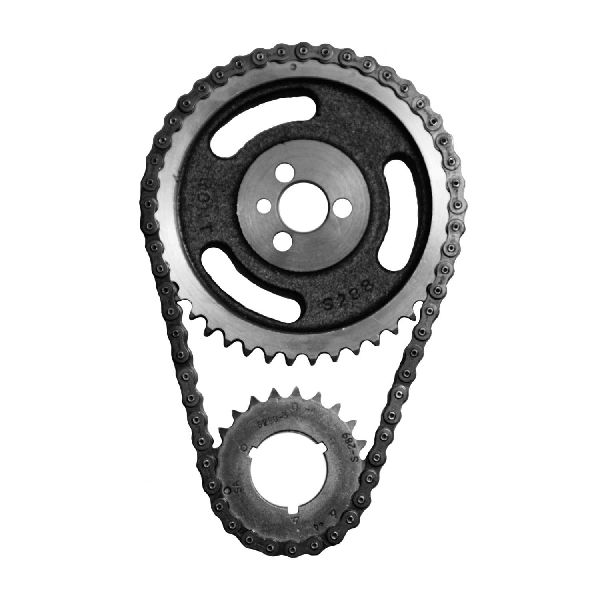
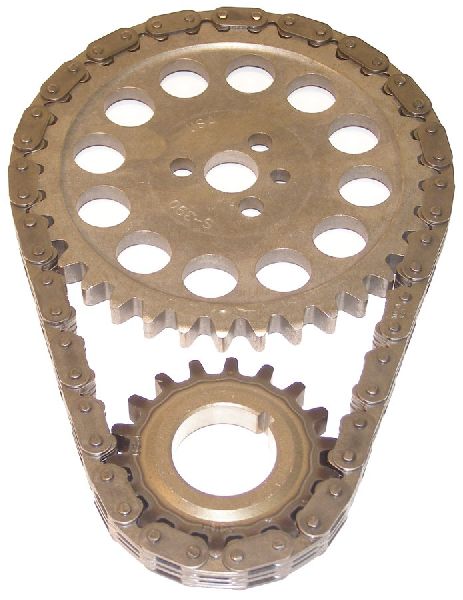
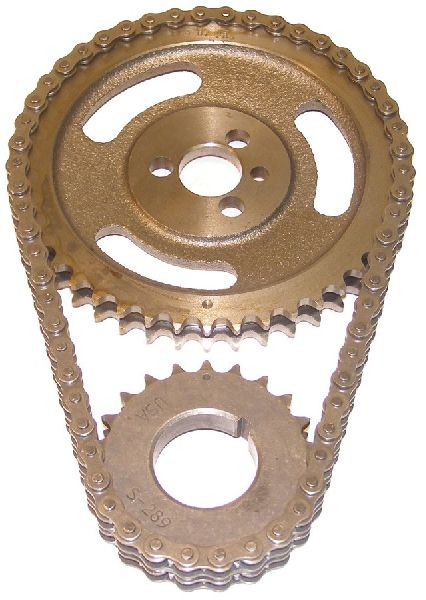
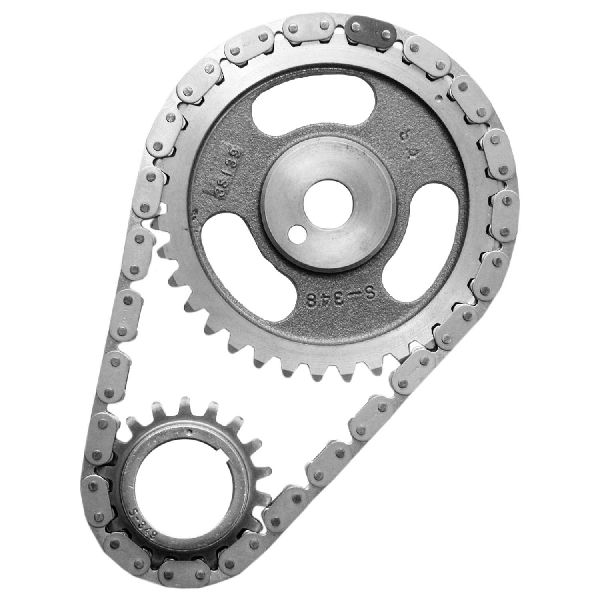
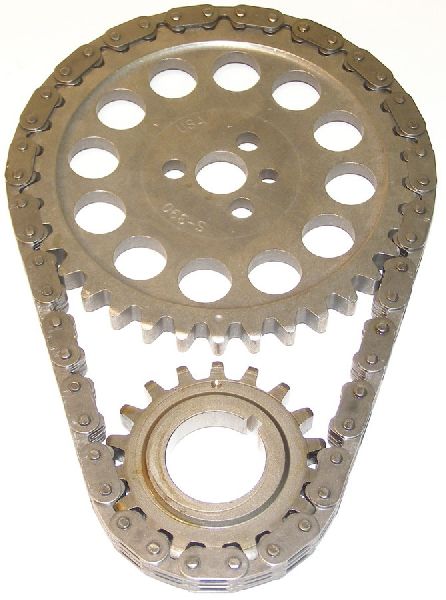
For the 1979-1986 Parisienne, a quality aftermarket timing set is often superior to the original factory design because they use all-steel gears. Here’s a breakdown of the available brands:
Brand Tiers
- Standard Replacement (Good): Brands like Sealed Power, standard Cloyes, and standard Melling offer excellent OEM-quality replacements. These kits typically feature an all-metal construction, eliminating the original nylon gear problem. They are a reliable and affordable choice for a daily driver or stock restoration.
- Heavy-Duty (Better): For added durability, look to Melling Select Performance or heavy-duty options from Cloyes. These sets may feature stronger chains (like a double-roller chain) and hardened gears, offering a longer service life, especially for engines that see harder use.
- Performance (Best): A brand like Edelbrock is geared towards high-performance and modified engines. While their quality is top-notch, featuring precision-machined gears and heavy-duty chains, it is likely overkill for a stock Parisienne engine.
- Other Quality Brands: INA is a respected OEM supplier, often for European cars, but their quality is generally very high. If a kit is available from them, it is a trustworthy option.
Pro Tip: While you are replacing the timing set, it is highly recommended to also replace the water pump, timing cover gasket, and front crankshaft seal. The water pump must be removed to access the timing cover, making it the perfect time for a replacement.
Frequently Asked Questions (FAQ)
Is an all-metal timing set better than the original?
Yes, absolutely. The original cam gear used nylon-coated teeth to reduce noise, but these are known to fail with age. An all-metal replacement set is far more durable and reliable over the long term, making it a critical upgrade for these engines.
Should I replace the water pump at the same time?
Yes. The water pump must be removed to get to the timing cover and access the timing set. Since you've already done most of the labor, installing a new water pump at the same time is cheap insurance against having to do the job twice.
Can a bad timing chain damage my engine?
Yes. While the common GM V8s and V6s of this era are typically non-interference engines (meaning the valves won't hit the pistons if the chain breaks), a failed timing set can still cause damage. Broken pieces of nylon or metal can clog the oil pump pickup, leading to oil starvation and severe engine damage. If the chain jumps several teeth, the engine will stop running and could leave you stranded.
What is the difference between a timing chain and a timing belt?
A timing chain, like the one in your Parisienne, is a metal chain that is lubricated by engine oil. A timing belt is a toothed rubber belt. Chains are designed to last much longer than belts but can stretch over time. Belts require replacement at regular intervals, typically every 60,000 to 100,000 miles.
Technical Specifications
The most important specification is choosing an aftermarket timing set with a steel camshaft gear to replace the failure-prone original equipment nylon-coated gear.
We Have This Part in Stock

The information in this article is provided for general reference and educational purposes only. Vehicle specifications, procedures, and part compatibility can vary by production date, trim level, and region. Always consult your vehicle's factory service manual and verify part numbers before purchasing or performing repairs. Safety-critical components such as airbags, seat belts, and braking systems should be installed by a qualified professional.