

Choosing the Right Disc Brake Pads for Your 1979-1986 Saab 900
Keep your classic Saab stopping safely and effectively with the correct aftermarket brake pads.
- The 1979-1987 Saab 900 has a unique front-wheel handbrake system that uses the main front brake pads.
- Symptoms of failure include squealing, grinding, longer stopping distances, and a vibrating or soft pedal.
- Quality aftermarket brands like Bosch, Pagid, and EBC offer excellent performance, often at a better price than OEM parts.
- Replacing brake rotors at the same time as the pads is highly recommended for best performance and safety.
Signs of Worn Brake Pads on a Classic 900
Your Saab 900 will give you clear warnings when the brake pads are nearing the end of their life. Ignoring these signs can lead to more expensive repairs, like replacing the brake rotors. Be aware of these common symptoms:
- Squealing or Grinding Noises: A high-pitched squeal when you apply the brakes is often the first sign. This sound comes from a small metal tab called a wear indicator. If you hear a deeper, harsher grinding sound, it means the pads are completely worn out, and the metal backing plate is scraping against the rotor, causing damage.
- Reduced Stopping Power: If you notice it takes longer to stop your car or you have to press the brake pedal harder, your pads are likely worn and can't create enough friction.
- Vibration or Pulsing: A vibrating steering wheel or a pulsing sensation in the brake pedal when braking can indicate unevenly worn pads or warped brake rotors.
- Spongy Brake Pedal: A brake pedal that feels soft or goes down further than usual can be a sign of worn pads or, more seriously, a problem with the brake fluid or master cylinder.
A Note on the Handbrake
The 1979-1987 Saab 900 uses a distinct handbrake system that operates on the front wheels. This is different from most cars, which have a rear-wheel handbrake. This design means the front pads and calipers are responsible for both regular braking and parking, which can influence wear patterns.
Choosing the Right Aftermarket Brake Pads
When replacing brake pads on your classic 900, you don't need to find expensive Original Equipment Manufacturer (OEM) parts. The aftermarket offers a wide range of quality options suitable for different driving needs and budgets. The key is to choose a reputable brand that provides good performance and durability.
| Tier | Brands | Best For |
|---|---|---|
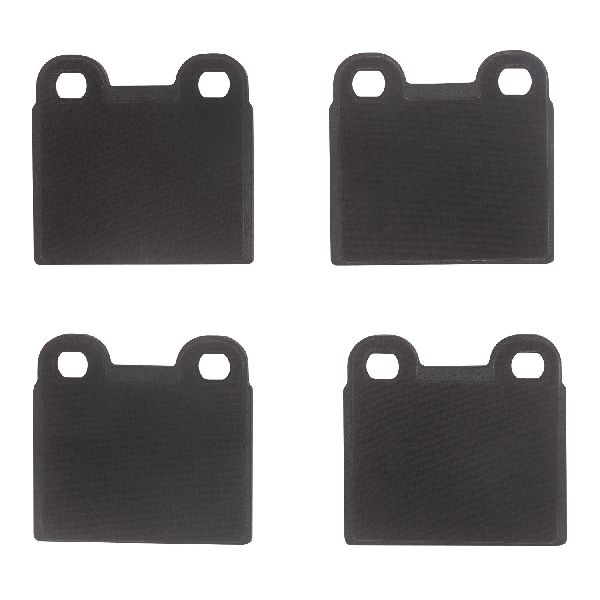
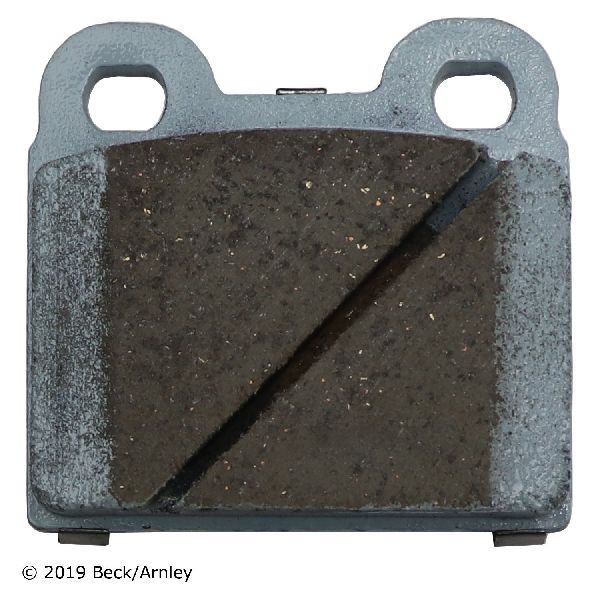
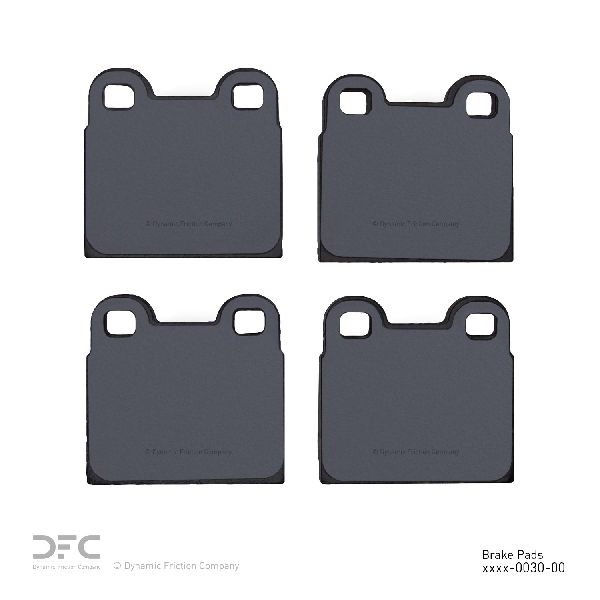
| Daily Driver / Standard Replacement | Bosch, Pagid, Beck Arnley, Dynamic Friction | Owners looking for reliable, quiet, OEM-equivalent performance for normal commuting and driving. These brands offer a great balance of quality and value. |
| Performance / Enthusiast | EBC Brakes | Drivers who enjoy more spirited driving or want improved stopping power. EBC offers different compounds like Greenstuff for fast street use or Yellowstuff for street and track. They often produce less dust than stock pads. |
Ceramic vs. Semi-Metallic
You'll see pads described as "ceramic" or "semi-metallic." For a classic 900, a quality semi-metallic pad offers performance very similar to the original factory pads. Ceramic pads are a more modern option known for producing less brake dust and being quieter, making them a popular upgrade for daily driving.
Frequently Asked Questions
Do I need special tools to change the brake pads on my 1979-1986 Saab 900?
You will need basic hand tools like a socket set and wrenches, a C-clamp or piston compression tool to push the caliper piston back, and a jack with jack stands for safety. For rear brakes on some models, you may need a special tool to retract the caliper piston. No highly specialized tools are typically required for a front pad replacement.
Should I replace the brake rotors at the same time as the pads?
It is highly recommended. If your rotors have a significant lip on the edge, deep grooves, or show signs of warping (vibration when braking), they should be replaced. Installing new pads on old, worn rotors can cause noise, reduce performance, and lead to premature wear of the new pads.
Are there any recalls for the brakes on the 1979-1986 Saab 900?
Searches of the National Highway Traffic Safety Administration (NHTSA) database did not show any specific recalls for the disc brake pads on the 1979-1986 Saab 900. Recalls for this model year were related to the fuel system and steering column.
What is the difference between front and rear brake pads on this car?
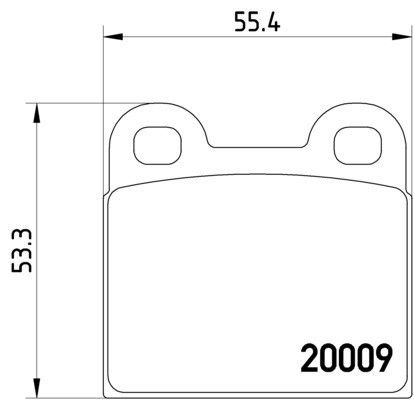
Front and rear brake pads are not interchangeable. They have different shapes and sizes because the front and rear brake calipers are different. The front brakes on a Saab 900 do most of the braking work and will wear out faster than the rears. Always ensure you are purchasing the correct pads for the front or rear axle.
Technical Specifications
OEM Part Numbers: 8993974 8993230 4906632 32051946
All 1979-1986 Saab 900 models are equipped with four-wheel disc brakes. The front brakes handle the majority of braking force and incorporate the parking brake mechanism for models up to 1987. Pads are available in semi-metallic and ceramic compounds.
We Have This Part in Stock
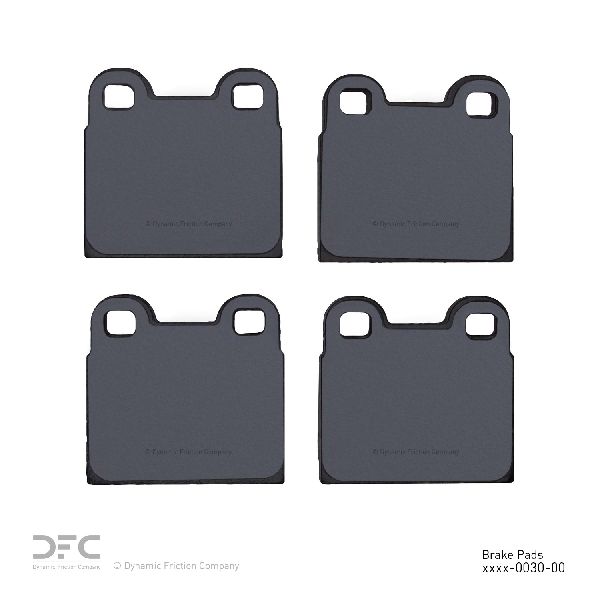
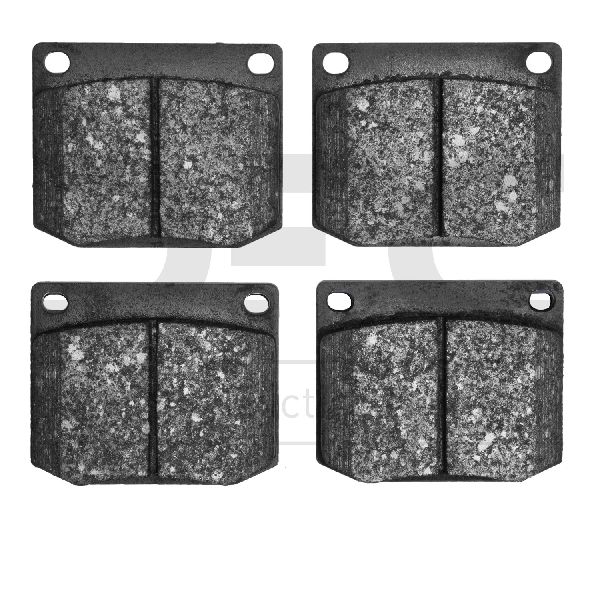

The information in this article is provided for general reference and educational purposes only. Vehicle specifications, procedures, and part compatibility can vary by production date, trim level, and region. Always consult your vehicle's factory service manual and verify part numbers before purchasing or performing repairs. Safety-critical components such as airbags, seat belts, and braking systems should be installed by a qualified professional.