

Engine Coolant Temperature Sensor Guide for BMW 528i (1979-1987)
Solve your classic 528i's running issues by understanding this small but critical engine sensor.
- Your 528i likely has two separate coolant sensors; one for the computer (DME) and one for the gauge. Identify the correct one before buying.
- A bad sensor can cause poor fuel economy, black smoke, and potentially lead to engine overheating.
- For best results, choose a sensor from an OEM supplier like Bosch or a reputable aftermarket brand like Standard Ignition.
- This is an easy and inexpensive DIY repair that can solve many common engine running problems.
Understanding the Coolant Temp Sensor in Your E12 or E28
Your 1979-1987 BMW 528i, which includes both the E12 (1979-1981) and E28 (1982-1987, primarily the 528e in North America) chassis, relies on accurate temperature readings to run properly. A failing Engine Coolant Temperature (ECT) sensor can cause a wide range of problems, from poor fuel economy to a no-start condition. It's a common failure point on older vehicles due to constant exposure to heat and vibration.
Two Sensors, Two Jobs
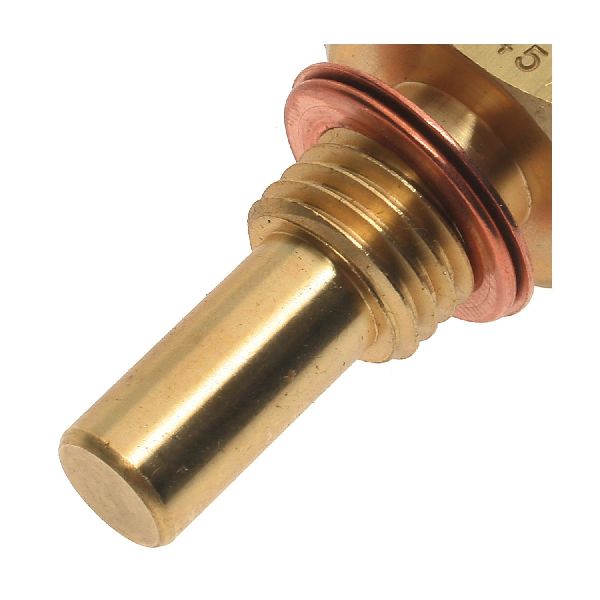
It is critical to know that these classic BMWs typically have two separate coolant temperature sensors. One sensor sends information to the engine computer (DME) to control engine performance. The other sensor sends information to the temperature gauge on your instrument cluster. Make sure you are ordering the correct sensor for the problem you are experiencing.
Symptoms of a Failing ECT Sensor
A bad ECT sensor can make the engine computer think the engine is colder or hotter than it actually is. This confusion leads to noticeable performance problems:
- Poor Fuel Economy: If the sensor is stuck on a "cold" reading, the computer will continuously send extra fuel to the engine, which wastes gas.
- Black Smoke from Exhaust: This is a sign of a very rich fuel mixture, where unburned fuel is being sent out the tailpipe.
- Engine Overheating: On some models, a faulty sensor can prevent the electric cooling fan from turning on when it should.
- Difficult Starting: The engine may be hard to start, especially when cold, because the fuel mixture isn't correct.
- Rough Idle: An incorrect air-fuel mixture can cause the engine to shake or vibrate at idle.
- Check Engine Light: A faulty sensor can trigger the Check Engine Light on your dashboard.
Choosing the Right Aftermarket Sensor
When it comes to sensors for your BMW, quality matters. While OEM is always an option, several aftermarket brands offer a good balance of price and performance. For a critical component like the ECT sensor, it's wise to avoid the absolute cheapest options.
Brand Tiers for Your 528i:
- Tier 1 (OEM Supplier Quality): Brands like Bosch are often the original equipment manufacturer for BMW. Choosing a Bosch sensor is as close to genuine as you can get and is highly recommended. Standard Ignition (Standard Motor Products) is a well-respected aftermarket brand known for producing reliable sensors that meet or exceed OEM specifications.
- Tier 2 (Value-Oriented): URO Parts is known for its budget-friendly prices. While they can be a good value for some non-critical components, their quality for electronic parts can be inconsistent. Some owners use them without issue, while others report premature failures. Consider URO if budget is the primary concern, but be aware of the potential risk.
- Tier 3 (Store Brands): Brands like True Tech and Global Parts are often re-boxed parts from various manufacturers. Quality can be unpredictable. It's generally safer to stick with a brand that has a known track record in the BMW community.
Pro Tip: For a part this critical and inexpensive, spending a few extra dollars on a Bosch or Standard Ignition sensor is a smart investment to avoid future headaches.
Estimated Cost of Replacement
| Part Type | Price Range |
|---|---|
| New Aftermarket | $7.83 - $32.02 |
| New OEM (Genuine BMW) | $45.00 - $65.00 |
| Shop Labor | $60.00 - $120.00 |
Frequently Asked Questions (FAQ)
How many coolant temp sensors does my 1979-1987 528i have?
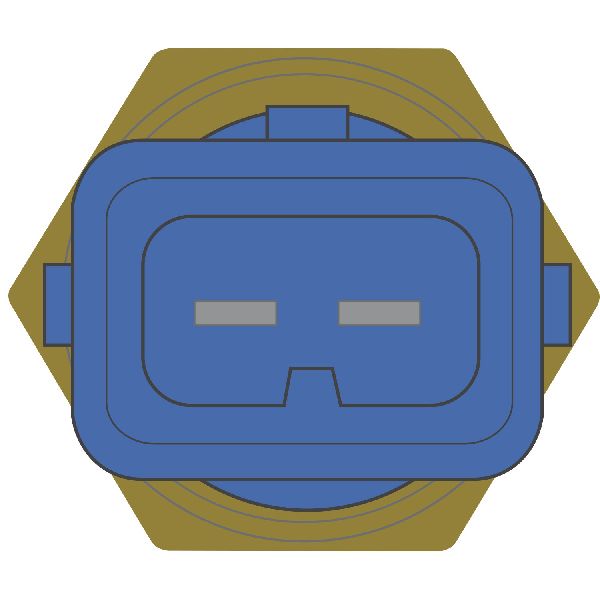
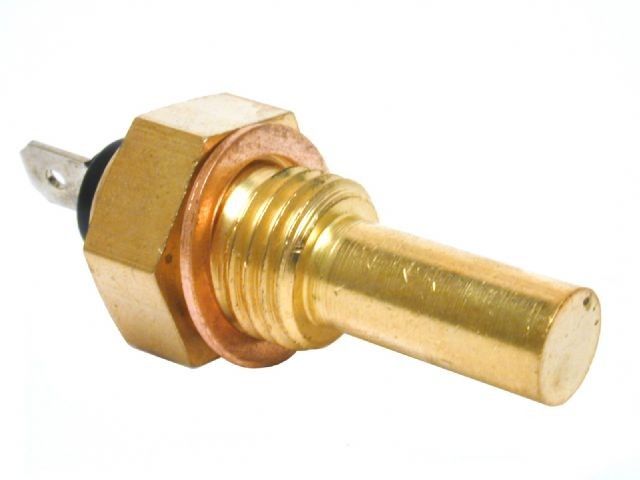
Most E12 and E28 models have two main coolant temperature sensors. One is for the DME (engine computer) and has a multi-pin connector (usually two pins). The other is for the temperature gauge on the dashboard and typically has a single-prong spade connector. It is crucial to identify which one needs replacing.
Can I replace the ECT sensor myself?
Yes, this is a very DIY-friendly job for most home mechanics. The sensor is usually located on the thermostat housing or cylinder head and is easily accessible. The job involves unplugging the electrical connector, unscrewing the old sensor, and quickly screwing in the new one to minimize coolant loss. The entire process typically takes less than 30 minutes.
What happens if I ignore a bad ECT sensor?
Ignoring a faulty ECT sensor can lead to several problems. Persistently running a rich fuel mixture can foul your spark plugs and damage the catalytic converter. If the sensor fails to trigger the cooling fan, you risk severe engine damage from overheating.
Are there any recalls for the ECT sensor on my 528i?
No, there are no specific recalls or technical service bulletins (TSBs) from the NHTSA related to the engine coolant temperature sensor for the 1979-1987 BMW 528i. Any failure is typically due to the age and wear of the component.
Technical Specifications
OEM Part Numbers: 13621357414 13621709967 12621710512 62110788115 13621284397
Connector types vary by year and function. The DME sensor is typically a 2-pin connector, while the gauge sender is often a 1-pin spade connector. Always verify the connector type on your vehicle before ordering.
We Have This Part in Stock


The information in this article is provided for general reference and educational purposes only. Vehicle specifications, procedures, and part compatibility can vary by production date, trim level, and region. Always consult your vehicle's factory service manual and verify part numbers before purchasing or performing repairs. Safety-critical components such as airbags, seat belts, and braking systems should be installed by a qualified professional.