

A/C Accumulator Replacement Guide for the 1979-1987 GMC C1500
Keep your classic GMC's air conditioning running cold by understanding when and how to replace your A/C accumulator.
- Always replace the accumulator and orifice tube together when the A/C system is opened for any repair.
- Failure symptoms include poor cooling, rattling noises, and oily leaks on the canister itself.
- Using new, properly lubricated HNBR O-rings is essential to prevent leaks, especially if converting to R134a refrigerant.
- Due to the need to safely handle refrigerant and use a vacuum pump, professional installation is recommended.
Is Your C1500's A/C Not Blowing Cold? It Could Be the Accumulator.
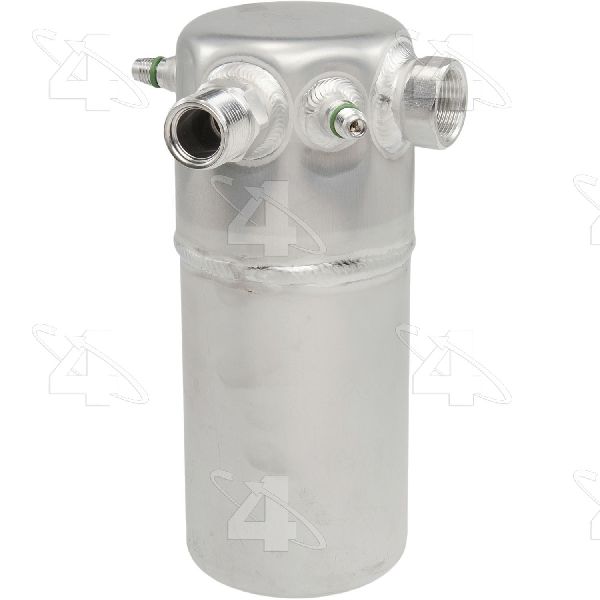
If the air conditioning in your classic square body GMC isn't what it used to be, a failing A/C accumulator could be part of the problem. This part is a critical filter and safety device for your A/C compressor. Over decades of use, the internal desiccant bag becomes saturated with moisture and can no longer protect the system. The accumulator can also leak or become clogged with debris, especially after an A/C compressor failure.
Symptoms of a Bad A/C Accumulator on a GMC C1500
- Poor Cooling Performance: If the accumulator is clogged or the desiccant is saturated, the A/C system can't work efficiently, leading to weak or warm air from the vents.
- Rattling Noises: A rattling or clunking sound from the engine bay when the A/C is running can indicate that the internal components of the accumulator have broken loose.
- Visible Leaks: The accumulator body can corrode and leak over time. You may see a greasy, oily residue on the canister or on the ground beneath it. This is refrigerant oil mixed with dirt.
- A/C System Cycles On and Off Rapidly: While this can have many causes, a failing low-pressure switch on the accumulator or incorrect refrigerant levels related to a leak can cause this issue.
Mandatory Replacement Item
It is standard practice to always replace the A/C accumulator and the orifice tube any time the A/C system is opened for repair. The desiccant inside is exposed to atmospheric moisture and is ruined. Failing to replace it will lead to premature failure of your new parts.
Choosing the Right Aftermarket A/C Accumulator
For a vehicle from this era, finding a new OEM accumulator from GM is highly unlikely. The market consists of new aftermarket parts, which are the standard for these repairs. Here’s a look at the common brands available.
- Tier 1: Four Seasons
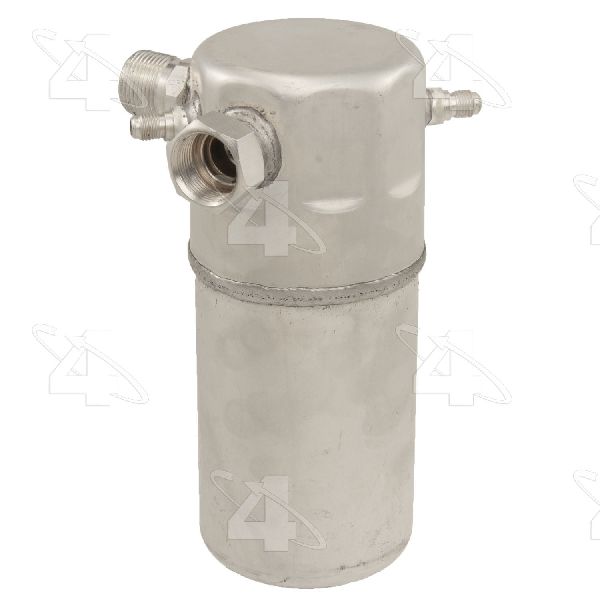
Four Seasons is a well-regarded brand in the A/C aftermarket world. Many professional mechanics and experienced DIYers trust their components for fit and reliability. For a C1500, a Four Seasons accumulator is a solid, dependable choice that often meets or exceeds the quality of the original part. - Tier 2: Spectra & Global Parts (GPD)
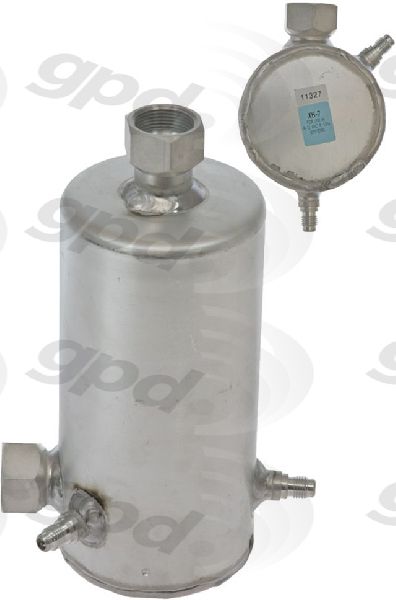
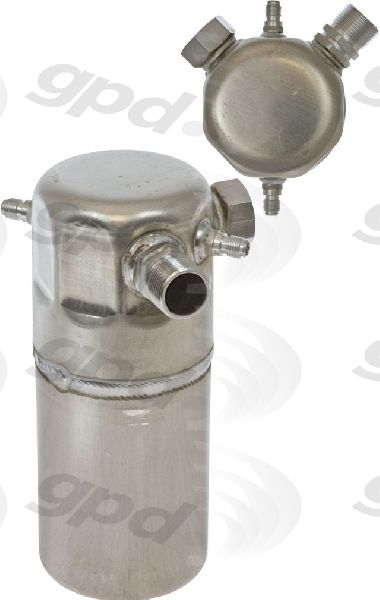
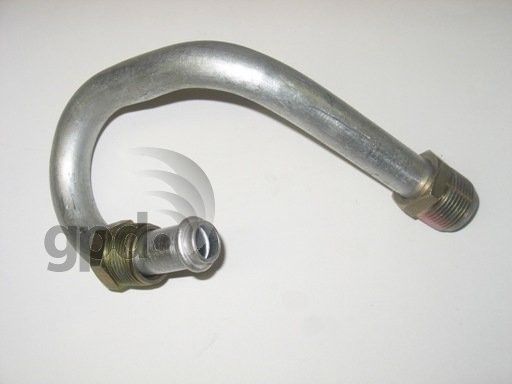
Spectra and GPD are also common aftermarket suppliers. They offer a cost-effective alternative and are generally considered acceptable for repairs. While quality is typically good, some user reviews suggest a slightly higher chance of fitment issues or premature failure compared to top-tier brands.
Pro Tip: When replacing your accumulator, also buy a new orifice tube and a set of A/C system O-rings made from HNBR material. This green or black rubber is compatible with both original R12 refrigerant and modern R134a conversions. Using the correct oil (Mineral for R12, PAG or Ester for R134a) on the O-rings is critical for a good seal.
Typical Cost for a New A/C Accumulator
The cost for the part itself is low, but remember that a full A/C service is required to install it correctly.
| Part/Service | Estimated Cost |
|---|---|
| New Aftermarket A/C Accumulator | $16 - $46 |
| A/C Orifice Tube | $2 - $5 |
| Shop Labor & System Recharge | $150 - $300 |
Frequently Asked Questions
Do I have to replace the accumulator if I replace my compressor?
Yes, absolutely. Most warranties for new A/C compressors require you to replace the accumulator and orifice tube at the same time. Skipping this step will introduce moisture and debris into your new compressor, causing it to fail quickly.
What is that electrical switch on the accumulator?
That is the low-pressure cycling switch. Its job is to turn the compressor off if the refrigerant pressure gets too low, protecting the compressor from running without lubrication. You will typically need to transfer this switch from your old accumulator to the new one.
Can I replace the A/C accumulator myself?
While unbolting the part is easy, the full job requires specialized equipment. You must have the old refrigerant professionally evacuated before starting and use a vacuum pump to remove all air and moisture from the system before recharging. Due to these requirements and environmental regulations for handling refrigerant, this job is often best left to a professional shop.
My system was converted to R134a. Does that change the part I need?
No, the accumulator itself is the same for both R12 and R134a systems. However, it is critical to use an oil that is compatible with R134a (like Ester or PAG oil) when installing the new part and lubricating the O-rings. You must also use new HNBR-rated O-rings, as the original seals are not compatible with R134a.
Technical Specifications
The A/C system in the 1979-1987 GMC C1500 is a Cycling Clutch Orifice Tube (CCOT) type. The accumulator is located on the low-pressure side of the system. It must be replaced whenever the system is serviced.
We Have This Part in Stock

The information in this article is provided for general reference and educational purposes only. Vehicle specifications, procedures, and part compatibility can vary by production date, trim level, and region. Always consult your vehicle's factory service manual and verify part numbers before purchasing or performing repairs. Safety-critical components such as airbags, seat belts, and braking systems should be installed by a qualified professional.