

Accessory Drive Belts for the 1979-1987 GMC C1500
Keep your classic GMC's accessories running smoothly with the right set of V-belts.
- Your truck uses multiple V-belts, not a single serpentine belt. The exact number and size depend on your engine and options.
- High-quality aftermarket brands like Gates, Continental, and Dayco are the standard for replacement and are considered excellent choices.
- Squealing noises are the most common symptom of a worn or loose belt and should be addressed promptly to avoid a breakdown.
- It is highly recommended to replace all V-belts at the same time for maximum reliability.
Understanding the V-Belt System in Your Classic GMC
Your 1979-1987 GMC C1500 was built with a reliable, straightforward multi-belt system. Each accessory is typically driven by its own V-belt. This design is simple and allows for the replacement of a single worn belt without having to change a large, complex serpentine belt. However, it also means there are more individual belts to inspect and maintain. Regular inspection for cracks, glazing, and proper tension is the key to avoiding a breakdown.
Symptoms of a Failing Accessory Drive Belt
A failing V-belt will almost always give you a warning sign before it breaks. Paying attention to these signs can save you from being stranded.
- Squealing Noises: This is the most common symptom. A high-pitched squeal, especially on startup, during acceleration, or when turning the steering wheel, usually means a belt is loose and slipping.
- Visible Wear and Tear: Look at your belts. If you see multiple cracks, frayed edges, or a shiny, hardened surface (called glazing), the belt is old and needs to be replaced.
- Accessory Problems: If your headlights seem dim, the battery isn't staying charged, the power steering feels heavy, or the engine temperature starts to climb, a slipping or broken belt could be the cause. These accessories rely on the belts to function properly.
A Note on Belt Tension
The most common cause of belt squeal and premature failure is improper tension. A belt that is too loose will slip and overheat, while a belt that is too tight puts excessive strain on the bearings of your alternator, water pump, and other accessories. After installing a new belt, it's important to re-check the tension after a few hours of engine operation, as new belts have an initial stretch or "run-in" period.
Choosing the Right Aftermarket Belts
For a vehicle of this age, high-quality aftermarket belts are the industry standard and are readily available. Original Equipment (OEM) belts are largely a non-factor, as they are either no longer produced or would be "New Old Stock" (NOS), which is not recommended due to the age of the rubber. Today's aftermarket brands often use superior materials like EPDM rubber, which lasts longer than the original neoprene belts.
When shopping, you'll find several reputable brands. There is a strong consensus among professional mechanics and truck enthusiasts about which brands offer the best quality.
- Top Tier (Excellent Quality): Gates is consistently praised as a top-of-the-line choice for V-belts, known for durability and reliability. Many professional shops use Gates exclusively.
- Professional Grade (Very Good Quality): Continental and Dayco are also highly regarded brands that offer excellent performance and longevity. You can install these brands with confidence. Bando is another quality manufacturer, often serving as an OEM supplier for many vehicle makers.
Pro Tip: Replace Belts as a Set
Even if only one belt is showing major wear, it's good practice to replace all the accessory drive belts at the same time. They have all been exposed to the same conditions and hours of operation. This ensures all your accessories have a fresh start and reduces the chance of another belt failing soon after.
Common Ordering Mistakes
The biggest mistake when ordering belts for a 1979-1987 C1500 is getting the wrong length. These trucks were available with several different engine sizes (I6, V6, V8) and a variety of optional accessories (A/C, heavy-duty alternator, etc.). Each combination requires a specific set of belt lengths. Always verify the exact belts needed for your specific engine and accessory configuration before purchasing.
| Part | Price Range |
|---|---|
| New Aftermarket V-Belt (per belt) | $2.60 - $40.28 |
| Shop Labor to Replace All Belts | $100 - $225 |
Frequently Asked Questions (FAQ)
How many accessory belts does my 1985 GMC C1500 have?
The number of belts depends on your engine and options. A base model with a V8 and no A/C might have two or three belts. A fully-equipped truck with a V8, A/C, and power steering could have four or more. It's essential to check your specific vehicle's configuration.
What's the difference between a V-belt and a serpentine belt?
Your truck uses V-belts, which are individual belts that each drive one or two accessories. Modern vehicles use a single, flat, ribbed belt called a serpentine belt that winds its way around all the accessories.
Can I replace just one belt that is squealing?
Yes, you can replace a single belt. However, if one belt is old enough to fail, the others are likely near the end of their service life as well. Replacing them all at once is a smart preventative measure.
Are cogged or notched V-belts better?
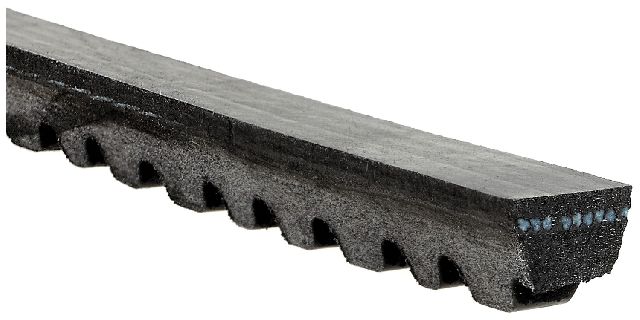
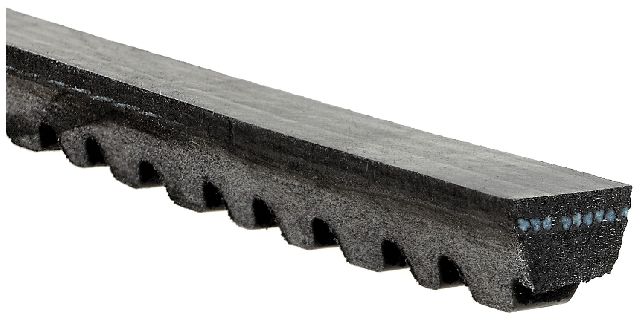
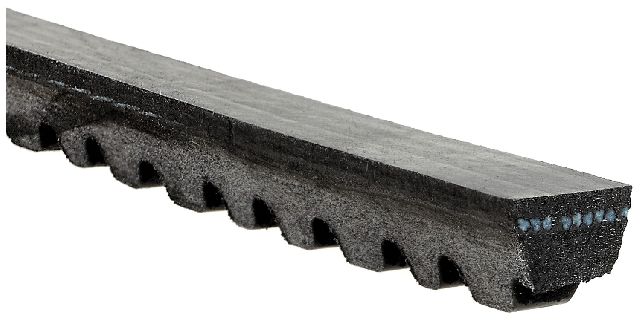
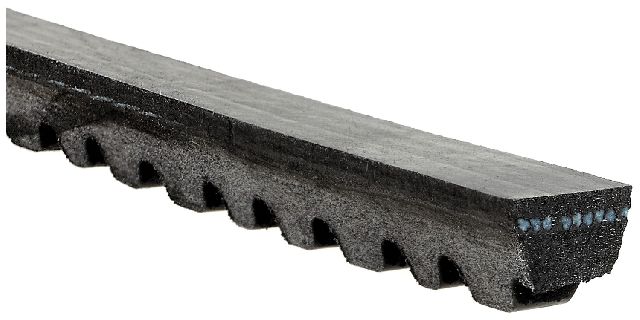
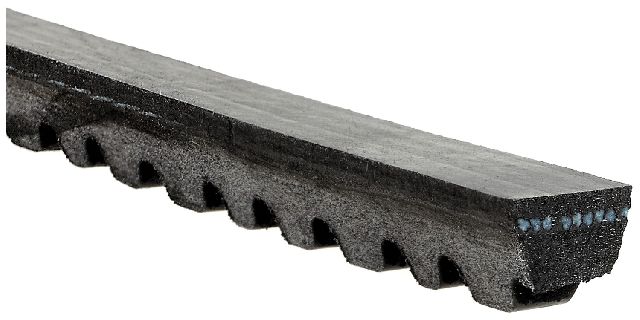
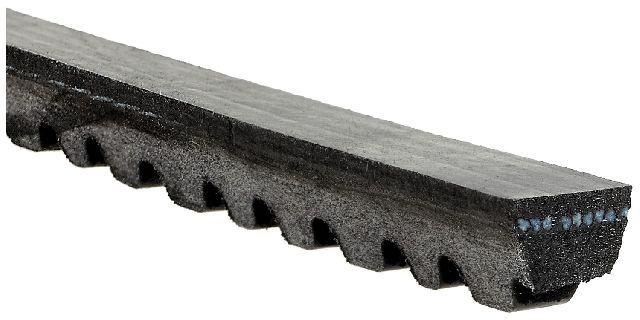
Notched (or cogged) V-belts are designed to be more flexible and dissipate heat better than solid V-belts. This can lead to a longer life and better performance, especially on smaller pulleys. For this application, a notched belt from a quality brand is an excellent choice.
Technical Specifications
System uses multiple V-belts. Belt length, top width, and angle are critical specifications that vary based on engine size (e.g., 4.1L, 5.0L, 5.7L) and accessory options (with/without Air Conditioning, with/without Power Steering). Belts are typically made from EPDM rubber.
We Have This Part in Stock

The information in this article is provided for general reference and educational purposes only. Vehicle specifications, procedures, and part compatibility can vary by production date, trim level, and region. Always consult your vehicle's factory service manual and verify part numbers before purchasing or performing repairs. Safety-critical components such as airbags, seat belts, and braking systems should be installed by a qualified professional.