

Choosing the Right Alternator for Your 1979-1987 GMC C1500
Keep your classic GMC's electrical system reliable with the correct new aftermarket alternator.
- Replacing the alternator on a 1979-1987 C1500 is a simple DIY job for most owners.
- Verify your truck's amperage needs; upgrade to a higher-output unit if you have added electronics like stereos or extra lights.
- For a stock GM truck, an ACDelco aftermarket alternator is a reliable, factory-recommended choice.
- Symptoms like dimming lights, a battery warning light, or a whining noise from the engine are clear signs of a failing alternator.
Is Your Alternator Failing? Common Symptoms
When an alternator starts to go bad on these classic GMC trucks, it usually gives you a few clear warning signs. Recognizing them early can prevent you from getting stranded with a dead battery.
- Dimming or Flickering Lights: One of the most common signs is headlights and dash lights that flicker or seem dim, especially at idle. They might get brighter when you rev the engine.
- Battery Warning Light: Your dashboard might have a light that says "ALT," "GEN," or shows a battery symbol. This light turns on when the alternator isn't producing enough voltage to charge the system.
- Whining or Grinding Noises: A high-pitched whine that changes with engine speed often points to bad bearings inside the alternator. A squealing sound could be a loose or worn-out belt slipping on the pulley.
- Weak or Dead Battery: If you need to jump-start your truck frequently, the alternator is likely not recharging the battery properly. A new battery that dies quickly is a strong clue that the alternator is the real problem.
- Electrical Problems: Since the alternator powers all electronics, you might notice the radio cutting out, power windows moving slowly, or the heater fan seeming weak.
Choosing the Right Aftermarket Alternator
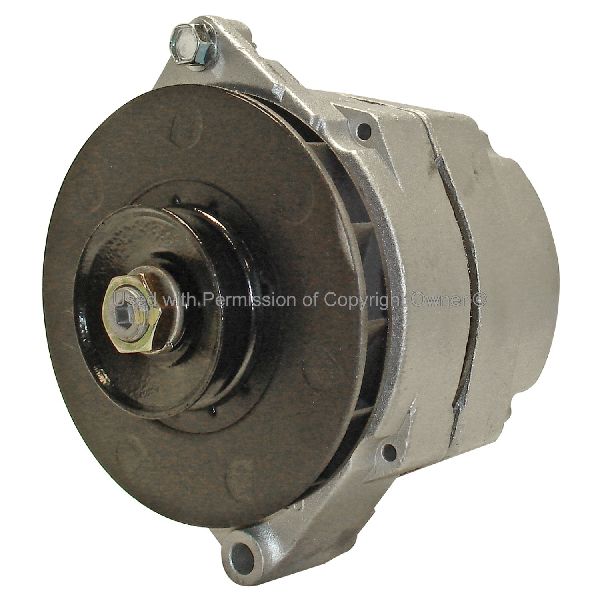
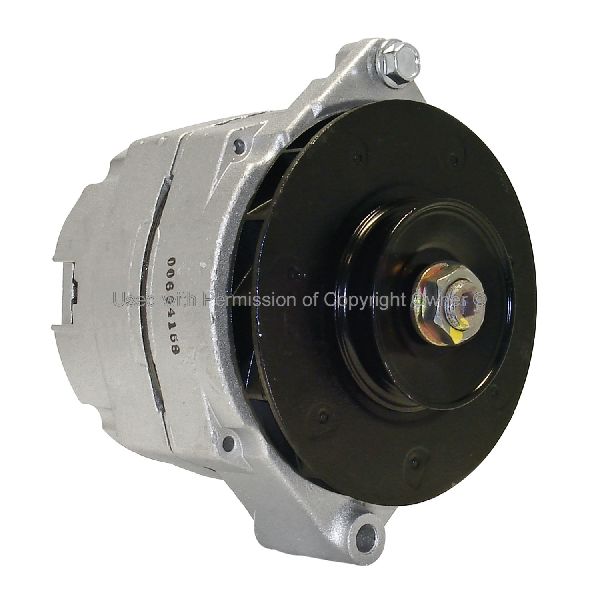
For a 1979-1987 C1500, you have many new aftermarket options that offer excellent performance, often better than the original. The key is to match the alternator to your truck's specific needs.
OEM vs. Aftermarket Quality
For a vehicle of this age, new OEM parts are rare and expensive. Aftermarket brands offer comparable or even superior quality for less money. Brands like ACDelco are considered a top choice for GM vehicles, offering OE-level fit and performance. Bosch is another well-regarded brand known for quality engineering. Many owners find that a quality new aftermarket unit provides excellent reliability.
Brand Tiers for Your C1500
Not all brands are created equal. Here’s a general breakdown:
- Premium Brands (High-Output & Performance): Powermaster and Proform specialize in high-output alternators. These are ideal if you've added power-hungry accessories like a big stereo system, extra lights, or an electric cooling fan. They are built to provide more amps at idle and at higher RPMs.
- OE-Quality Aftermarket: ACDelco, Bosch, and Remy are trusted names that provide reliable, direct-fit replacements. ACDelco is GM's own parts brand and is a natural choice for a C1500. Remy has a long history tracing back to the original Delco-Remy company.
- Standard/Value Brands: Brands like WAI Global, BBB Industries, and MPA (Motorcar Parts of America) offer a good balance of quality and affordability for a stock replacement. They are often tested to meet original specifications and provide a dependable solution for daily driving.
Check Your Amperage
Stock alternators for this generation C1500 typically ranged from 63 to 94 amps. If your truck is mostly original, a stock-amperage replacement is fine. If you have added any modern electronics, upgrading to a higher amperage unit (e.g., 100+ amps) is a smart move to avoid electrical issues.
Known Issues, Recalls, and Service Bulletins
Searches for recalls and Technical Service Bulletins (TSBs) for the 1979-1987 GMC C1500 specifically related to the alternator did not yield any results. Recalls found were for much newer models and involved issues like improper connections at the factory, which do not apply to this generation. The primary issues for these trucks are age-related failures of the alternator itself or problems with wiring connections.
| Part Type | Estimated Cost |
|---|---|
| New Aftermarket Alternator | $50 - $440 |
| Remanufactured Aftermarket | $60 - $200 |
| Shop Labor for Installation | $100 - $200 |
Frequently Asked Questions
Can I replace the alternator myself?
Yes, for most owners with basic hand tools, this is a very straightforward DIY job. The alternator is typically easy to access on top of the engine. The process involves disconnecting the battery, loosening the belt tensioner, removing a few bolts and electrical connectors, and swapping the part.
Do I need a high-output alternator?
You only need a high-output alternator if you have added significant electrical accessories. This includes powerful audio systems, off-road lights, a winch, or electric cooling fans. For a stock truck, a standard replacement with the original amperage is sufficient.
What is the difference between a one-wire and three-wire alternator?
Original alternators on these trucks are typically "three-wire" units, which include a main power wire, a wire for the dashboard warning light, and a voltage-sensing wire. Some aftermarket performance alternators are "one-wire" units, simplifying installation with just a single connection to the battery. However, one-wire alternators may need the engine to be revved slightly after starting to begin charging. For a stock replacement, sticking with the factory three-wire design is easiest.
How do I test my alternator?
The easiest way is with a multimeter. With the engine running, touch the multimeter probes to the positive and negative battery terminals. A healthy alternator should produce a voltage between 13.6 and 14.7 volts. If the voltage is closer to 12 volts or less, the alternator is likely not charging. Many auto parts stores will also test your alternator for free.
Technical Specifications
Amperage: 63A, 78A, or 94A (stock). Regulator: Internal. Pulley: V-Belt. Voltage: 12V.
We Have This Part in Stock
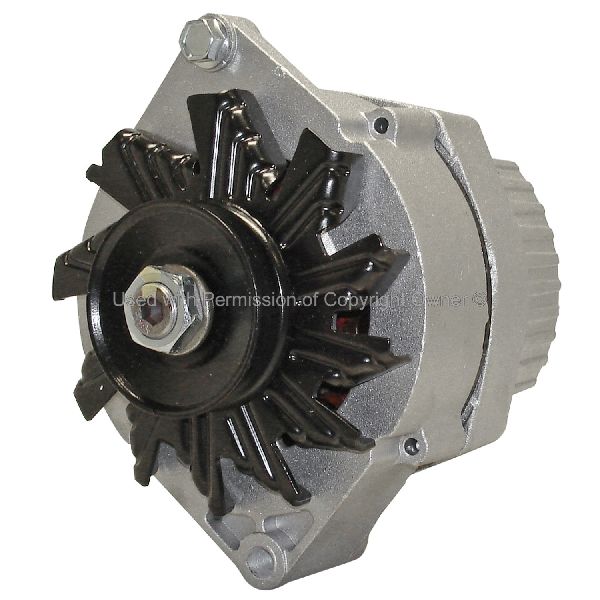
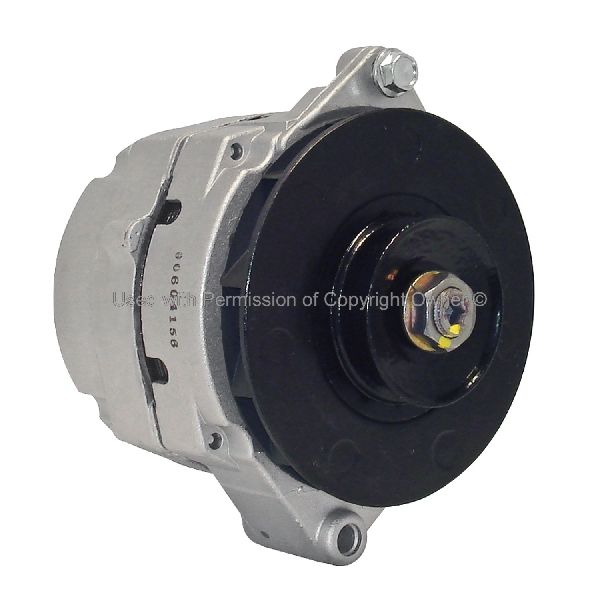
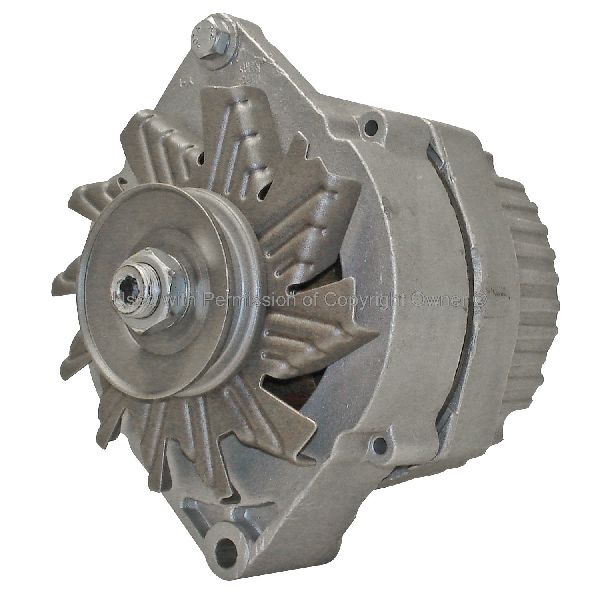
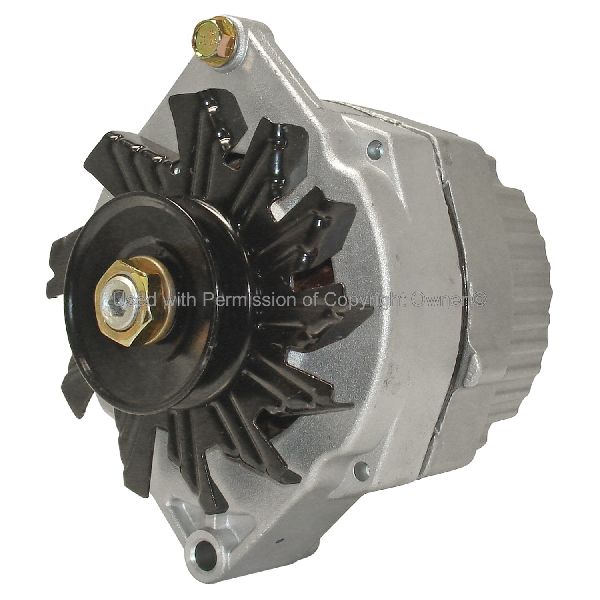

The information in this article is provided for general reference and educational purposes only. Vehicle specifications, procedures, and part compatibility can vary by production date, trim level, and region. Always consult your vehicle's factory service manual and verify part numbers before purchasing or performing repairs. Safety-critical components such as airbags, seat belts, and braking systems should be installed by a qualified professional.