

GMC C1500 Electric Fuel Pump Guide for 1979-1987 Models
Whether you're upgrading your carbureted classic or replacing a factory TBI pump, here's what you need to know.
- First, confirm if your truck has a factory mechanical pump (most '79-'86) or an in-tank electric pump ('87 TBI).
- For carbureted engines, an external low-pressure (4-7 PSI) electric pump is a common and effective upgrade.
- For 1987 TBI engines, you must use a direct-fit in-tank pump module designed for fuel injection.
- Always replace the fuel filter when installing a new fuel pump to protect your investment.
Is Your Pump Mechanical or Electric?
Before buying a new part, you must know what your truck has now. This is the most important step for this generation of GMC trucks.
- 1979-1986 Models: These trucks were originally equipped with a carbureted engine and a mechanical fuel pump. This pump is bolted to the side of the engine block and is driven by the camshaft. If your truck has an electric fuel pump, it was installed as an aftermarket upgrade.
- 1987 Models: This was a transition year. If your C1500 has Throttle Body Injection (TBI), it came from the factory with an in-tank electric fuel pump.
Pro Tip: Why Upgrade to Electric?
Owners of carbureted trucks often switch to an electric fuel pump to solve problems common with older vehicles. This includes hard starting after the truck sits for a while (when fuel evaporates from the carburetor) and vapor lock, where fuel turns to vapor in the line from engine heat. An electric pump primes the system with the turn of a key.
Signs of a Failing Electric Fuel Pump
A bad electric fuel pump will starve your engine of fuel. Look for these common symptoms:
- Engine Sputtering: The truck may hesitate or sputter, especially at highway speeds or when accelerating.
- Loss of Power: You might notice the truck feels weak, especially when towing or going up hills.
- Trouble Starting: The engine may crank for a long time before it starts, or it might not start at all.
- Engine Stalling: The engine may stall unexpectedly, sometimes after it has warmed up, and may not restart right away.
- Loud Whining Noise: A failing pump often makes a loud, high-pitched whining or buzzing sound from the fuel tank area.
Choosing the Right Aftermarket Electric Fuel Pump
Your choice depends entirely on your truck's fuel system.
For Carbureted Trucks (1979-1986)
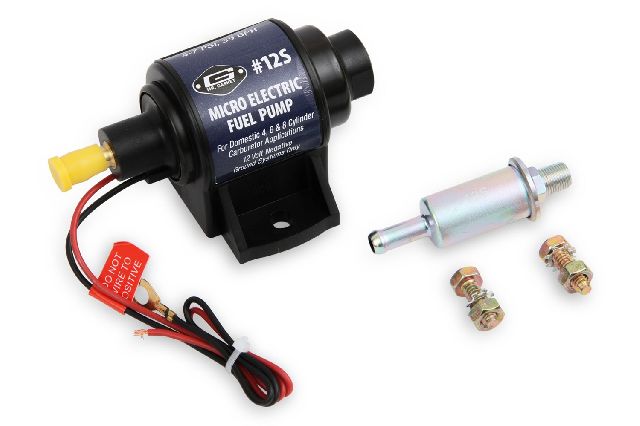
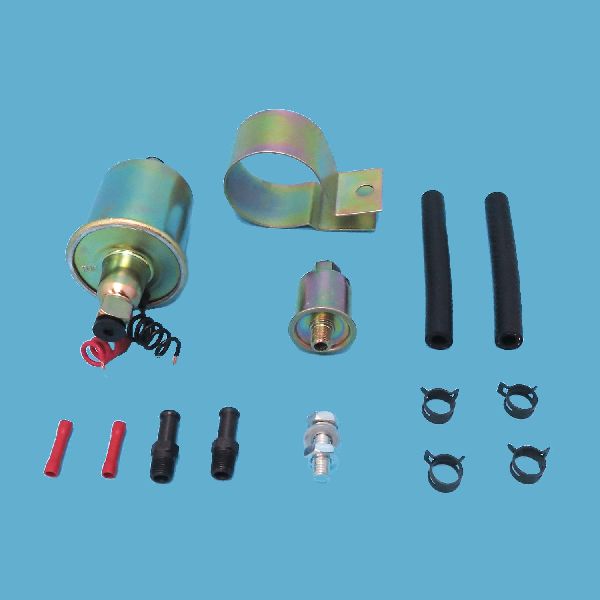
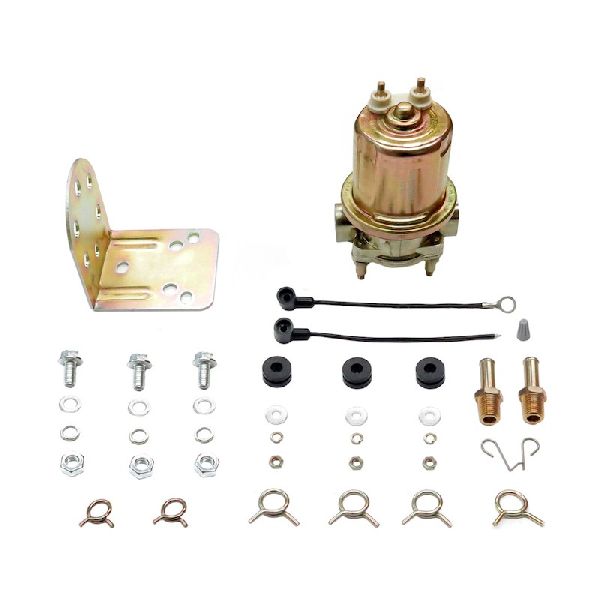
You need a low-pressure universal electric fuel pump. These are typically mounted on the truck's frame rail near the tank. They are designed to push fuel at a pressure that a carburetor can handle, usually between 4 and 7 PSI. Using a high-pressure pump on a carburetor can overwhelm the needle and seat, causing flooding.
- Mr. Gasket: This brand offers affordable, universal low-pressure pumps that are popular for carburetor conversions. Reviews are mixed; some users find them to be a great value, while others complain about noise or a shorter lifespan. They are a budget-friendly choice for a DIY upgrade.
For TBI Trucks (1987)
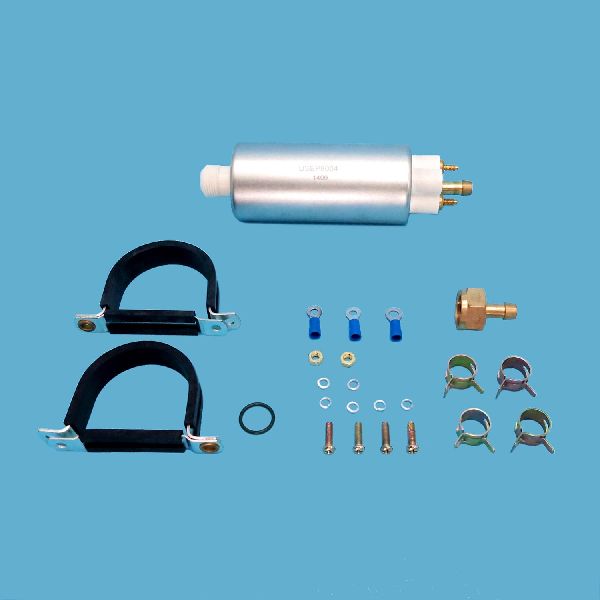
You need a direct-replacement in-tank fuel pump module. These are designed to fit inside the fuel tank and deliver the higher pressure required by the TBI system, typically 9-13 PSI. These kits often include the pump, sending unit for the fuel gauge, and a new strainer.
- US Motor Works: This brand has a solid reputation for producing reliable OE-style replacement pumps. Reviews often praise their performance and value. They manufacture complete in-tank modules designed to meet factory specifications, making them a dependable choice for replacing a worn-out stock pump.
Known Issues & Recalls
No major recalls or Technical Service Bulletins (TSBs) related to the electric fuel pump are active for the 1979-1987 GMC C1500. Recalls found online are for much newer models. Given the age of these trucks, most issues are related to normal wear and tear.
Aftermarket Electric Fuel Pump Cost for 1979-1987 GMC C1500
| Part Type | Our Price Range | Estimated Shop Labor |
|---|---|---|
| New Aftermarket (Universal Low-Pressure) | $53.86 - $75.00 | $150 - $300 |
| New Aftermarket (In-Tank TBI Module) | $75.00 - $97.29 | $250 - $450+ |
Cost estimates are approximate and can vary by location and vehicle condition.
Frequently Asked Questions
Do I need a fuel pressure regulator?
For a carbureted truck, if you use a low-pressure pump (4-7 PSI), you typically do not need a separate regulator. For a TBI truck, the pressure is regulated as part of the system, and the replacement pump is designed to work with it.
Is it hard to replace an electric fuel pump on my C1500?
It depends. Installing a universal external pump on the frame is moderately difficult and involves wiring and cutting fuel lines. Replacing an in-tank pump on a 1987 TBI model is much harder because you must either drop the fuel tank or lift the truck bed for access.
What's the difference between an in-tank and an external pump?
An in-tank pump lives inside the fuel tank, where it is cooled by the surrounding gasoline. An external (or inline) pump is mounted outside the tank, usually on the frame rail. Electric pumps are designed to "push" fuel, so external pumps must be mounted close to and preferably lower than the tank.
Should I replace my fuel filter at the same time?
Yes. It is highly recommended to replace the fuel filter whenever you replace the fuel pump. A clogged filter can strain the new pump and cause it to fail prematurely.
Technical Specifications
OEM Part Numbers: 25163473
Required Pressure (Carbureted): 4-7 PSI. Required Pressure (TBI): 9-13 PSI. Pump Location (Carbureted Upgrade): External, frame-mounted. Pump Location (TBI): In-tank.
We Have This Part in Stock

The information in this article is provided for general reference and educational purposes only. Vehicle specifications, procedures, and part compatibility can vary by production date, trim level, and region. Always consult your vehicle's factory service manual and verify part numbers before purchasing or performing repairs. Safety-critical components such as airbags, seat belts, and braking systems should be installed by a qualified professional.
- 🛍️ Shop This Part
- Is Your Pump Mechanical or Electric?
- Pro Tip: Why Upgrade to Electric?
- Signs of a Failing Electric Fuel Pump
- Choosing the Right Aftermarket Electric Fuel Pump
- For Carbureted Trucks (1979-1986)
- For TBI Trucks (1987)
- Known Issues & Recalls
- Aftermarket Electric Fuel Pump Cost for 1979-1987 GMC C1500
- Frequently Asked Questions
- 🎟️ Get 5% Off