

Engine Cooling Fan Clutch Guide for 1979-1987 GMC C1500 Trucks
Keep your classic Square Body GMC running cool by understanding, diagnosing, and choosing the right replacement fan clutch.
- The most common failure symptom is overheating at idle that goes away with speed.
- Test a suspect clutch by checking for leaks, wobble, and proper resistance when spinning it by hand with the engine off.
- Choose an aftermarket brand like Hayden or US Motor Works for a good balance of quality and value; ensure you get the correct duty rating (Standard vs. Heavy-Duty) for your truck's options.
- OEM parts are generally unavailable for this model year, making aftermarket the primary option.
Is Your Fan Clutch Failing?
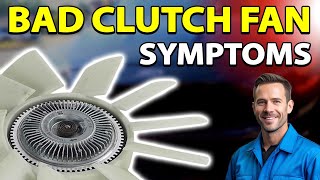
A bad fan clutch on your GMC C1500 will show clear signs. The most common issue is the engine temperature creeping up when you're stopped in traffic or idling, but cooling down once you start moving at higher speeds. This happens because the clutch isn't engaging to pull enough air through the radiator at low speeds. You might also hear a loud roaring noise from the engine that gets louder as you accelerate; this means the clutch is stuck in the engaged position, which hurts fuel economy and power.
🎬 Watch this video to identify common bad fan clutch symptoms.How to Test Your Fan Clutch
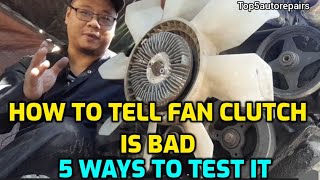
With the engine off and completely cool, try to spin the fan blade by hand.
- Too much spin: If it spins more than one to three times freely like a pinwheel, the internal fluid has likely leaked out, and it can't engage properly.
- No spin or gritty feeling: If it's very hard to turn or won't move at all, the clutch has seized and is locked up.
- Wobble: Grab the fan and try to wiggle it back and forth (toward the radiator and engine). Any significant looseness means the internal bearing is shot.
- Leaks: Look for oily streaks on the body of the clutch, which is a sure sign it's leaking and needs replacement. 🎬 See a step-by-step demonstration of how to inspect your clutch.
Choosing the Right Aftermarket Fan Clutch
For a classic truck like the 1979-1987 C1500, original OEM parts from GM are likely discontinued or very hard to find. The aftermarket is your main source for this part. Quality can vary, so it's important to choose a reputable brand. Aftermarket clutches can sometimes be more aggressive (noisier and engaging more often) than the original part. It's crucial to match the clutch type (Standard, Heavy-Duty, or Severe-Duty) to your truck's needs, such as whether it has A/C or is used for towing.
Aftermarket Brand Tiers
- Good/Standard Duty: Brands like GMB and Global Parts offer reliable, cost-effective replacements that meet original specifications. They are a good choice for stock trucks with standard cooling needs.
- Better/Heavy-Duty: Hayden and US Motor Works are well-known brands with a generally positive reputation among truck owners. Hayden is a long-standing name, though some users note their severe-duty models can be noisy. US Motor Works is often praised for its quality. These are suitable for trucks with A/C or those that see light towing duty.
- Economy Tier: Four Seasons is a widely available brand, but some users report inconsistent performance, with some units failing to engage properly or being too aggressive. While budget-friendly, they may be a gamble on quality.
Pro Tip: Match the Duty Cycle
If your C1500 has factory air conditioning or the heavy-duty cooling option (often part of a trailering package), you should select a "Heavy-Duty" or "Severe-Duty" fan clutch. Using a standard-duty clutch on a truck that needs more cooling can lead to overheating under load. Conversely, a severe-duty clutch on a standard engine might be unnecessarily loud and rob power.
Estimated Costs for a New Fan Clutch
| Part Type | Estimated Cost |
|---|---|
| New Aftermarket | $45 - $126 |
| Shop Labor | $75 - $170 |
Cost estimates are based on market research and may vary by location and supplier.
Frequently Asked Questions (FAQ)
Do I need a thermal or non-thermal fan clutch?
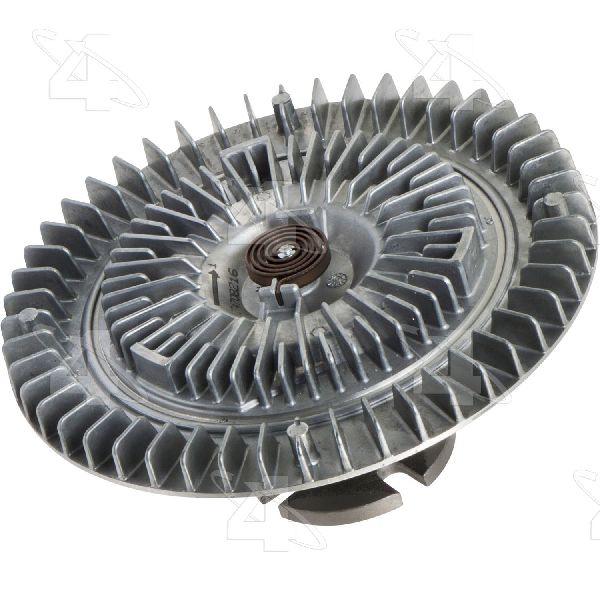
For a 1979-1987 GMC C1500, you should use a thermal fan clutch. These have a bi-metal spring on the front that senses temperature from the radiator. Non-thermal clutches engage based on engine speed, not temperature, and are not recommended as they are less efficient and can't provide cooling when it's needed most (at low RPM with high heat).
Are there any recalls or TSBs for my truck's fan clutch?
Searches for recalls and Technical Service Bulletins (TSBs) for the 1979-1987 GMC C1500 did not find any specific issues related to the mechanical fan clutch itself. Recalls found for GMC cooling fans relate to much newer models with electric fan assemblies.
Why is my new fan clutch so loud?
Some aftermarket fan clutches, especially "heavy-duty" or "severe-duty" models, are designed to engage more aggressively and at lower temperatures than the original part. This can result in a louder "roaring" sound, particularly on cold starts or when the engine is under load. While this ensures maximum cooling, some owners find the noise excessive. If the noise is constant, the clutch may be faulty and locked up.
Can I replace the fan clutch myself?
Yes, this is a very feasible DIY job for someone with basic mechanical skills. The process typically involves removing the fan shroud, using a special tool (or a large wrench) to loosen the large nut holding the clutch to the water pump pulley, unbolting the fan from the old clutch, and then reassembling with the new part. The estimated time is around 1 to 1.5 hours.
🎬 Follow this guide to replace the fan clutch yourself.Helpful Videos
Technical Specifications
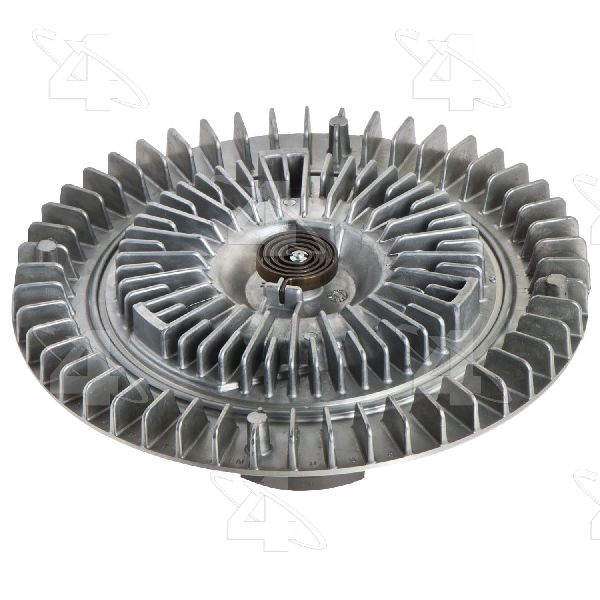
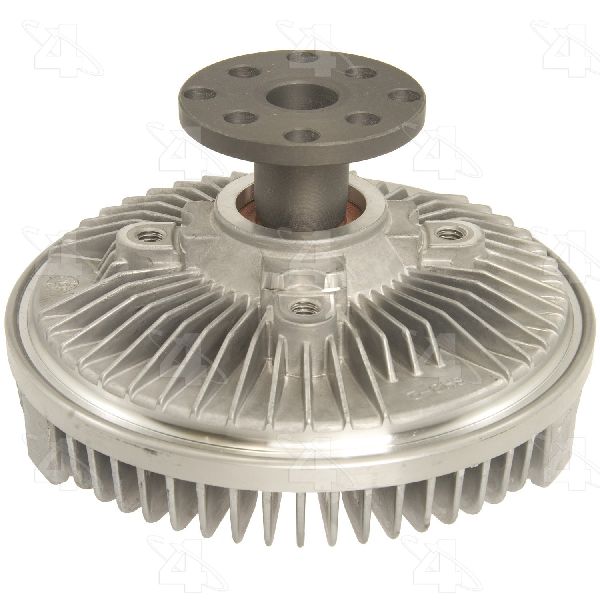
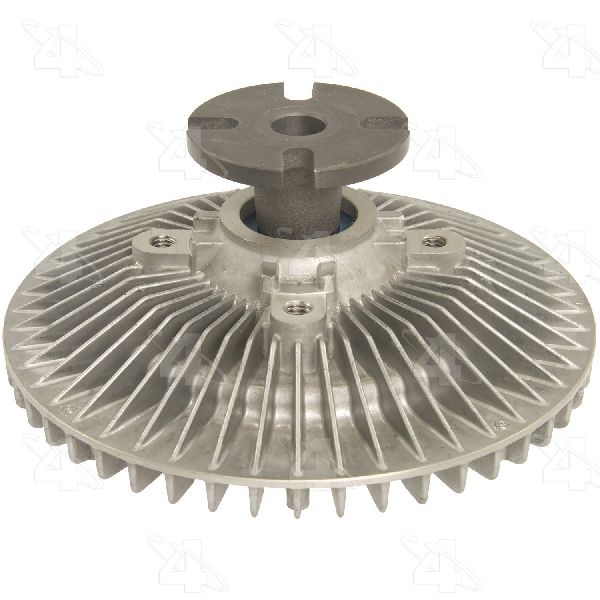
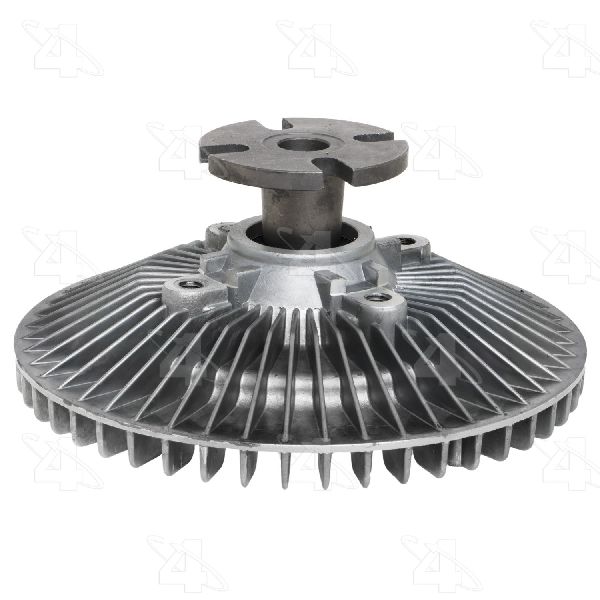
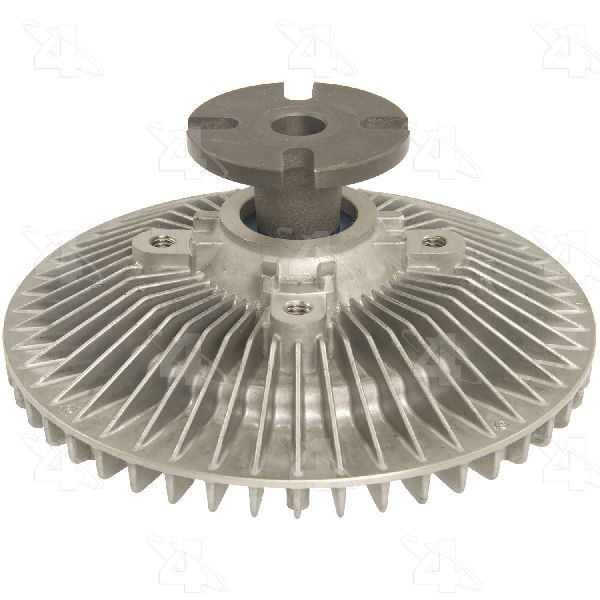
All replacements for the 1979-1987 GMC C1500 should be a thermal type fan clutch, identified by the bi-metallic coil spring on the front. Clutches are available in Standard-Duty, Heavy-Duty, and Severe-Duty versions to match the vehicle's original cooling system (e.g., with or without A/C and towing packages). Rotation is typically clockwise for this application.
We Have This Part in Stock

The information in this article is provided for general reference and educational purposes only. Vehicle specifications, procedures, and part compatibility can vary by production date, trim level, and region. Always consult your vehicle's factory service manual and verify part numbers before purchasing or performing repairs. Safety-critical components such as airbags, seat belts, and braking systems should be installed by a qualified professional.