

GMC C1500 Power Steering Pump Guide (1979-1987)
Hard steering or strange noises from your C1500? Your power steering pump might be the problem.
- Noises and stiff steering are the most common symptoms of a failing pump on a C1500.
- You will likely need a special pulley puller/installer tool for the replacement.
- Low-cost remanufactured pumps from brands like Cardone and BBB have very mixed reviews; consider a better brand or have a good warranty.
- Always flush the system and bleed it properly by turning the wheel lock-to-lock to prevent damaging the new pump.
Is Your C1500 Power Steering Pump Failing?
A failing power steering pump usually gives you a few warning signs. Ignoring them can lead to a much harder-to-steer truck. Watch out for these common symptoms.
Whining or Groaning Noises
One of the most common signs is a whining or groaning noise that changes with engine RPM. The noise will often get louder when you turn the steering wheel. This is typically caused by low fluid levels or air getting into the system, often from a failing pump.
Stiff or Difficult Steering
If turning the steering wheel suddenly requires a lot of muscle, especially at slow speeds, the pump is likely not providing enough pressure. This can happen intermittently at first and get progressively worse. In a complete failure, your truck will feel like it has manual steering.
Fluid Leaks
Power steering fluid is typically red or light brown. If you see puddles of this color fluid under the front of your truck, you have a leak. The pump itself has seals that can wear out and leak over time. A low fluid level is a sure sign of a leak somewhere in the system.
Metal Flakes in the Fluid
When you check your power steering fluid, look at its color. If it looks grey or has shiny metal specks in it, the pump is likely failing internally. Those metal bits are from the pump destroying itself, and they can contaminate the entire steering system, potentially damaging the steering gear box as well.
Choosing the Right Aftermarket Pump
For a vehicle like the 1979-1987 C1500, the original GM pumps were quite durable. When choosing a new aftermarket part, quality can vary significantly between brands. Aftermarket pumps generally fall into two categories: standard remanufactured units and high-performance new units.
Standard Replacement Pumps (Cardone, BBB Industries)
These are the most common and affordable options. Most are remanufactured, meaning an original pump core has been rebuilt with new seals and tested. However, quality can be inconsistent. Forum discussions and reviews show that brands like Cardone and BBB Industries have a mixed reputation, with some users experiencing premature failures or receiving defective parts. When choosing this option, it's a bit of a gamble.
Recommendation: If your budget leads you here, buy from a retailer with a good warranty and return policy. Be prepared to potentially replace it again sooner than you'd like.
High-Performance Pumps (PSC Motor Sports)
PSC is a premium brand known for high-quality, new-construction pumps designed for performance and durability. These are not remanufactured. They provide excellent steering feel and are built to handle larger tires and heavy use, making them a great choice for modified or restored trucks. The downside is the cost; they are significantly more expensive than standard replacements.
Recommendation: If you are building a high-quality restomod, run larger-than-stock tires, or simply want a "buy it once, cry once" solution, PSC is worth the investment.
Cost of a New Aftermarket Power Steering Pump (1979-1987 GMC C1500)
| Part Type | Estimated Cost |
|---|---|
| New Aftermarket (Standard) | $79.89 - $150.00 |
| New Aftermarket (High-Performance) | $250.00 - $400.46+ |
| Shop Labor for Installation | $150 - $250 |
Frequently Asked Questions
Do I need a special tool to replace the pump?
Yes, most likely. The pulley on these pumps is a press-fit design. You will need a specific power steering pulley puller and installer tool to remove the pulley from your old pump and install it on the new one. Many auto parts stores offer these as free loaner tools.
Should I buy a new or remanufactured pump?
For this truck, "new" aftermarket pumps are typically high-performance units like PSC. Most standard replacements are "remanufactured." While new is generally better, a high-quality remanufactured part can be a good value. However, low-cost remanufactured pumps have a reputation for being unreliable. If you can, opt for a new unit or a remanufactured one from a brand with a strong reputation and warranty.
What kind of power steering fluid should I use?
Always use the fluid recommended by the vehicle or part manufacturer. For most classic GM trucks, standard power steering fluid is appropriate. Do not use Automatic Transmission Fluid (ATF) unless it is specifically called for. Using the wrong fluid can damage seals and the pump itself.
Why is my new pump whining?
A whining noise after installation is almost always caused by air trapped in the system. You must bleed the system properly after installation. To do this, with the engine off and the front wheels lifted off the ground, slowly turn the steering wheel from lock to lock 15-20 times. Check the fluid level and repeat if necessary. Then, start the engine and check for noise. If it persists, you may still have air in the system or a defective pump.
Technical Specifications
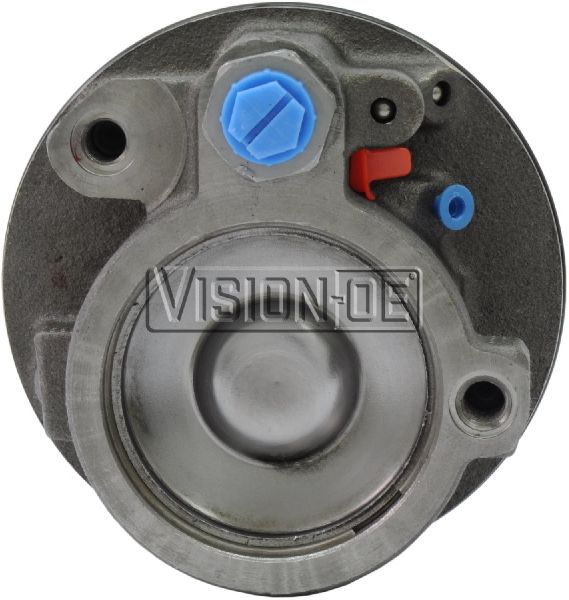
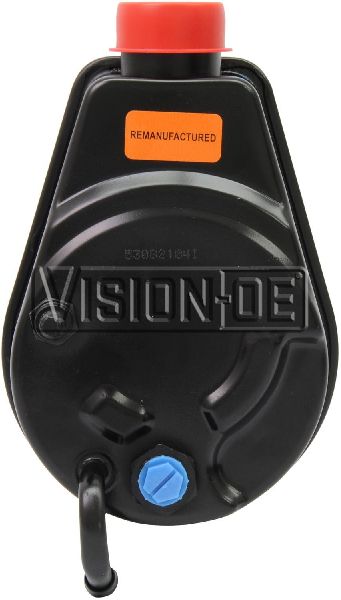
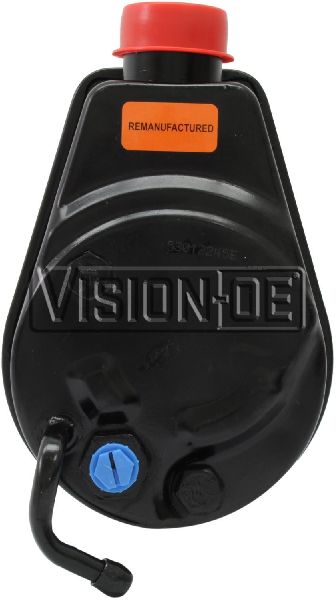
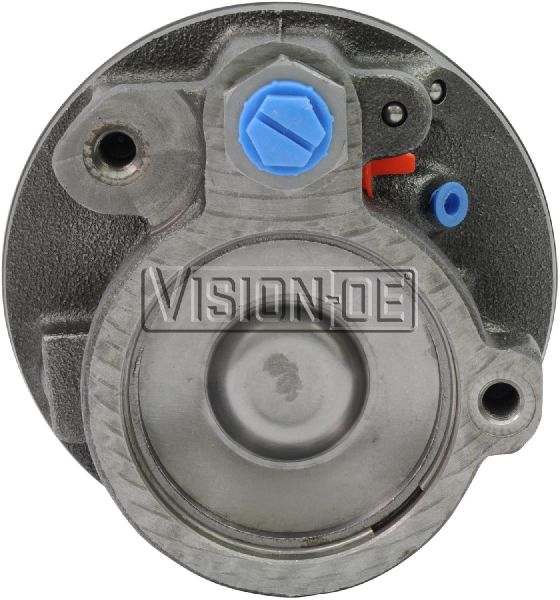
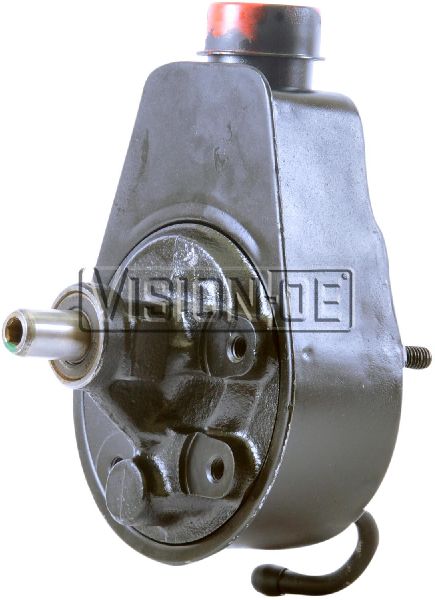
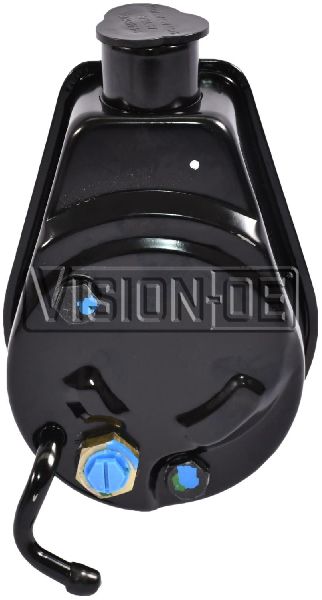
The 1979-1987 GMC C1500 typically uses a Saginaw-style hydraulic power steering pump. The pulley is a press-fit design. The reservoir may be attached to the pump or remotely mounted, depending on the specific year and engine configuration. Always verify the specific fitment for your truck's engine and options before purchasing.
We Have This Part in Stock

The information in this article is provided for general reference and educational purposes only. Vehicle specifications, procedures, and part compatibility can vary by production date, trim level, and region. Always consult your vehicle's factory service manual and verify part numbers before purchasing or performing repairs. Safety-critical components such as airbags, seat belts, and braking systems should be installed by a qualified professional.
- 🛍️ Shop This Part
- Is Your C1500 Power Steering Pump Failing?
- Whining or Groaning Noises
- Stiff or Difficult Steering
- Fluid Leaks
- Metal Flakes in the Fluid
- Choosing the Right Aftermarket Pump
- Standard Replacement Pumps (Cardone, BBB Industries)
- High-Performance Pumps (PSC Motor Sports)
- Cost of a New Aftermarket Power Steering Pump (1979-1987 GMC C1500)
- Frequently Asked Questions
- 🎟️ Get 5% Off