

GMC C1500 Speedometer Cable: A Complete Guide for 1979-1987 Models
Is your speedometer needle bouncing, noisy, or dead? Here’s what you need to know about replacing the speedometer cable on your 1979-1987 GMC C1500.
- A bouncing needle, no speed reading, or squealing from the dash are the top signs of a bad speedometer cable.
- Replacement is a simple DIY job that usually takes about an hour.
- Check if your truck has a one-piece or two-piece cable (for cruise control) before ordering.
- For best results and a smooth needle, avoid sharp bends when routing the new cable and consider a higher-quality brand like Lokar if your budget allows.
Is Your Speedometer Acting Up?
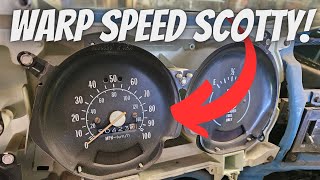
For 1979-1987 GMC C1500 trucks, the speedometer system is simple and mechanical. This is good news because it's usually easy to diagnose and fix. The most common point of failure is the speedometer cable itself. Over decades of use, the inner cable can get dry, kinked, or eventually snap. The outer housing can also wear, allowing dirt and moisture in, which prevents the inner cable from spinning freely.
Common Ordering Mistakes
- One-Piece vs. Two-Piece: Some trucks, especially those with factory cruise control, used a two-piece cable system. Most standard trucks use a single, one-piece cable. Forum users often recommend replacing a faulty two-piece setup with a more reliable one-piece cable if possible. Always check your truck's current setup before ordering. 🎬 Watch a quick walkthrough on removing and replacing the cable.
- Incorrect Length: Aftermarket cables come in various lengths. While there are standard sizes for your truck, modifications over the years (like transmission swaps) could change the required length. It's a good pro-tip to measure your old cable from tip to tip before ordering a new one.
Choosing the Right Aftermarket Speedometer Cable
Since new OEM AC Delco cables for this generation are scarce and expensive, the aftermarket is your go-to source. Quality and price can vary significantly. Here’s a breakdown of what you can expect from available brands.
Aftermarket Brand Tiers
| Brand Tier | Brands | Quality & Performance Notes |
|---|---|---|
| Economy | Pioneer Cable, ATP | These are the most affordable and widely available options. They will get your speedometer working again and are a good choice for a budget-conscious repair. However, some owners report that these cables can cause a slight needle bounce, and their long-term durability may not match the original part. |
| Mid-Grade | Dorman, TRQ | These brands often offer a balance of quality and price. They are generally considered a step up from the most basic economy options and are a solid choice for a daily driver. |
| Premium / High-Performance | Lokar, B&M | Lokar offers high-end, cut-to-fit cables, often with braided stainless steel housings for extra durability and a custom look. B&M also provides heavy-duty options. These are more expensive but are built for performance applications and are the best choice for a restored or modified truck where quality is the top priority. |
Known Issues, Recalls, and TSBs
There are no official recalls or Technical Service Bulletins (TSBs) from GMC or the NHTSA related to the speedometer cable for the 1979-1987 C1500. The most common issues are simply age-related wear and tear. The inner cable can snap, often right at the transmission connection, or the plastic drive gear inside the transmission can fail. A squeaking noise that is temporarily fixed with lubricant but then returns is a sure sign the cable's internal lining is worn out and the entire assembly needs replacement.
Diagnosing Before You Buy
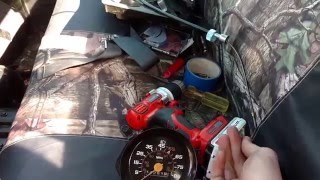
Before ordering a new cable, it's wise to do a quick test. Disconnect the cable from the transmission. Chuck the end of the inner cable into a drill. Have a friend watch the speedometer while you run the drill in reverse (counter-clockwise). If the speedometer needle moves smoothly, the problem is likely at the transmission end (like a bad drive gear). If the needle doesn't move or is still jumpy, the cable or the speedometer head itself is the problem.
🎬 Watch this video to diagnose a broken speedometer system.Frequently Asked Questions (FAQ)
Why is my new speedometer cable still bouncing?
This can happen for a few reasons. The most common is that the cable is not routed correctly and has sharp bends or kinks, which causes it to bind. Ensure the cable has gentle, sweeping curves from the transmission to the dash. It can also be a sign of a lower-quality aftermarket cable; some owners report solving this by upgrading to a higher-quality brand. Lastly, the issue could be within the speedometer head itself, which may need lubrication or rebuilding.
Should I lubricate my new speedometer cable?
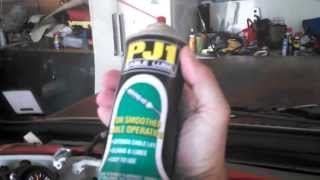
Most new aftermarket cables come pre-lubricated. However, it's never a bad idea to pull the inner cable out and apply a light coating of white lithium grease or specific speedometer cable lubricant. Do not over-grease, especially the top 6-12 inches, as excess grease can work its way into the speedometer head and cause damage.
🎬 See how to properly lubricate your new speedometer cable.Is the cable different for a 4x4 (K1500) vs a 2WD (C1500)?
Yes, the length and routing can be different. On a 2WD C1500, the cable connects to the tailshaft of the transmission. On a 4x4 K-series truck, it typically connects to the transfer case. Always ensure you are buying the correct part for your specific drivetrain.
What does it mean if the catalog lists an 'upper' and 'lower' cable?
This indicates a two-piece cable setup, which was common on trucks equipped with cruise control. A control box is mounted between the two cables. If you don't have cruise control, you should have a one-piece cable.
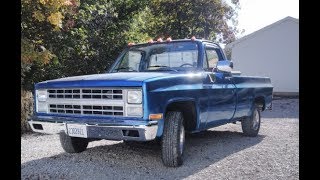
Helpful Videos
Technical Specifications
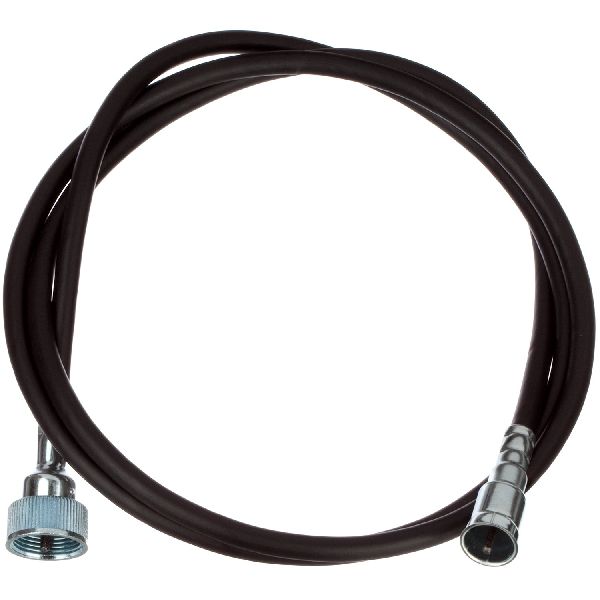
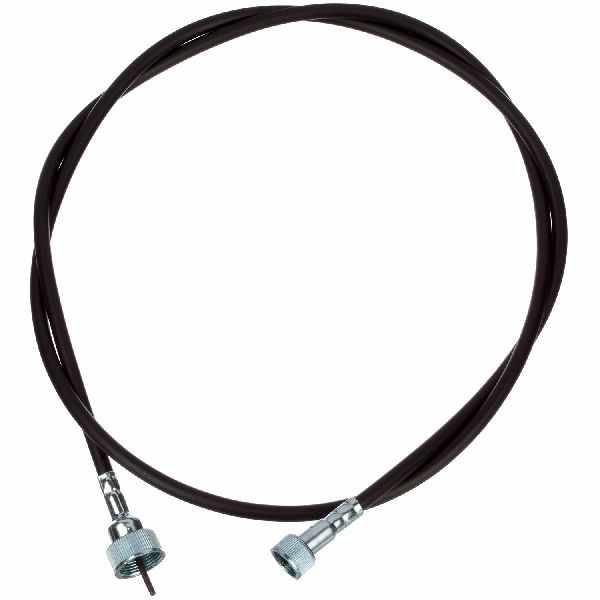
The speedometer cable is a mechanical link between the transmission and speedometer gauge. It consists of a flexible inner cable made of wound steel wire and a protective outer housing (sheath). The ends are typically squared to engage with the drive gear and speedometer head. Connection types can be screw-on or clip-on.
We Have This Part in Stock


The information in this article is provided for general reference and educational purposes only. Vehicle specifications, procedures, and part compatibility can vary by production date, trim level, and region. Always consult your vehicle's factory service manual and verify part numbers before purchasing or performing repairs. Safety-critical components such as airbags, seat belts, and braking systems should be installed by a qualified professional.