

A Guide to the Starter Motor on Your 1979-1987 GMC C1500
If your classic GMC truck won't crank, the starter is a likely suspect; here's how to choose the right replacement.
- Heat soak is a very common issue for V8 models; consider a high-torque mini starter or a heat shield to solve the problem.
- Before replacing the starter, always check that your battery is fully charged and that the battery cables and connections are clean and tight.
- Verify your starter's mounting bolt pattern (staggered or inline) before ordering a replacement to ensure it fits your engine block.
- Replacing the starter is a DIY-friendly job, typically requiring 1-2 hours with basic hand tools.
Is Your Starter Going Bad?
A failing starter rarely dies without warning. For a 1979-1987 GMC C1500, the signs are usually straightforward. Keep an ear out for these symptoms before you get stranded.
Common Failure Symptoms:
- Clicking Sound: A single, loud click when you turn the key is a classic sign. This usually means the starter solenoid is engaging, but the motor itself isn't turning the engine. This can be caused by a weak battery, bad connections, or a faulty solenoid.
- Grinding Noise: If you hear a harsh grinding sound during or after the engine starts, the starter gear may not be meshing correctly with the flywheel, or it's not retracting properly. This can damage the flywheel, which is a much more expensive repair.
- Slow Cranking: If the engine turns over very slowly, like the battery is weak, it could be a sign that the starter motor is wearing out and drawing too much power. Always test your battery first to rule it out.
- No-Crank, No-Click: Turning the key and getting nothing at all can point to several issues, including a dead battery, a bad ignition switch, or a completely failed starter.
- Heat Soak: A very common issue on these trucks, especially with V8 engines, is "heat soak." After driving for a while, the engine's heat (particularly from the exhaust manifold) can make the starter too hot to work. You'll turn the key and get nothing, but after the truck cools down for 15-30 minutes, it starts right up.
Heat Soak is a Common Problem
The original large starters on V8-equipped C1500s are positioned close to the hot exhaust. Over time, this heat can damage the starter's internal components. Many owners solve this by upgrading to a smaller, high-torque "mini starter" which offers more clearance, or by installing a starter heat shield.
Choosing a New Aftermarket Starter
For a vehicle from this era, aftermarket parts are often the only practical choice. The quality can range from basic replacements to high-performance upgrades. Here’s a breakdown of the brands available.
Brand Tiers for Your C1500
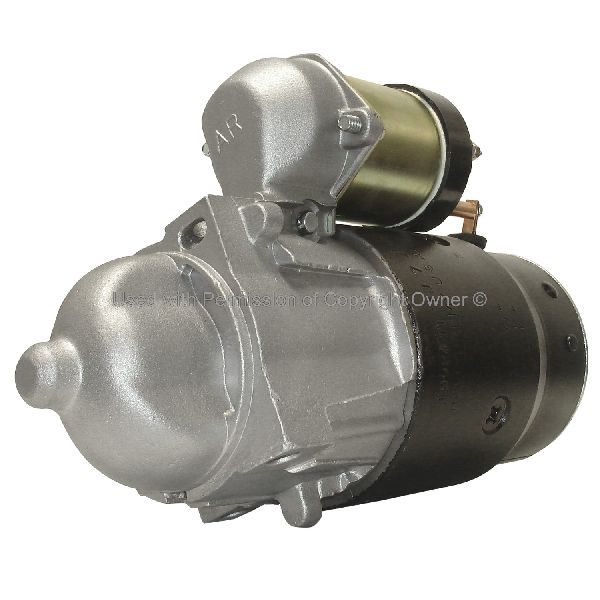
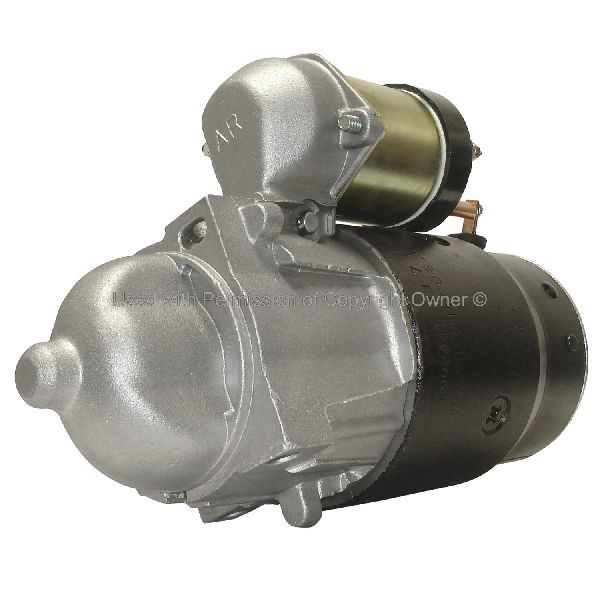
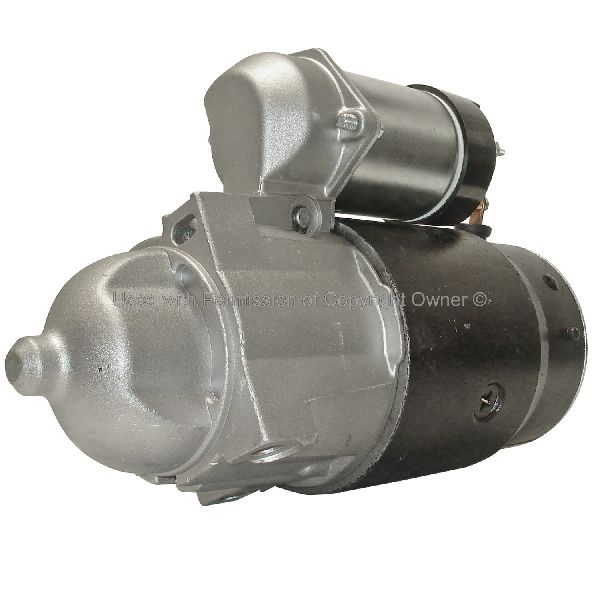
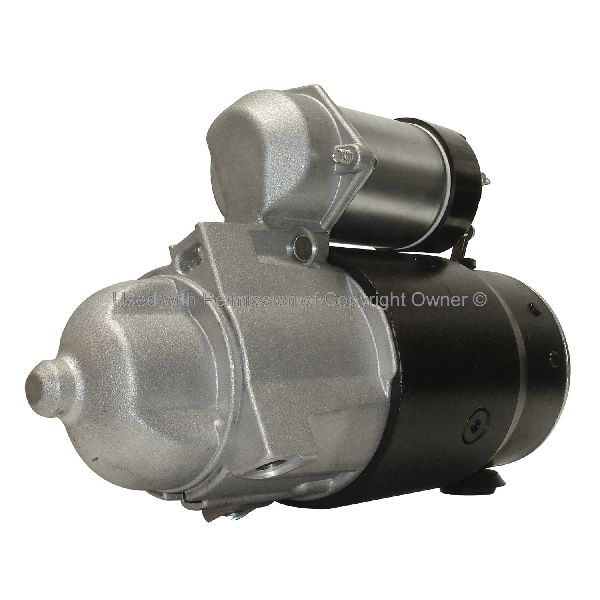
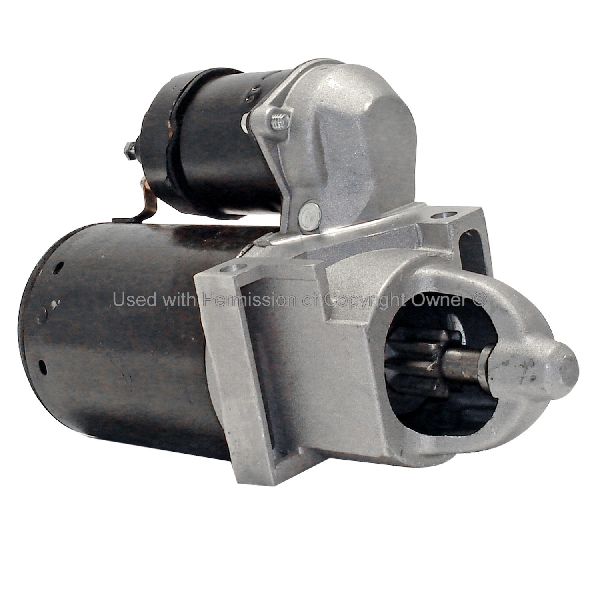
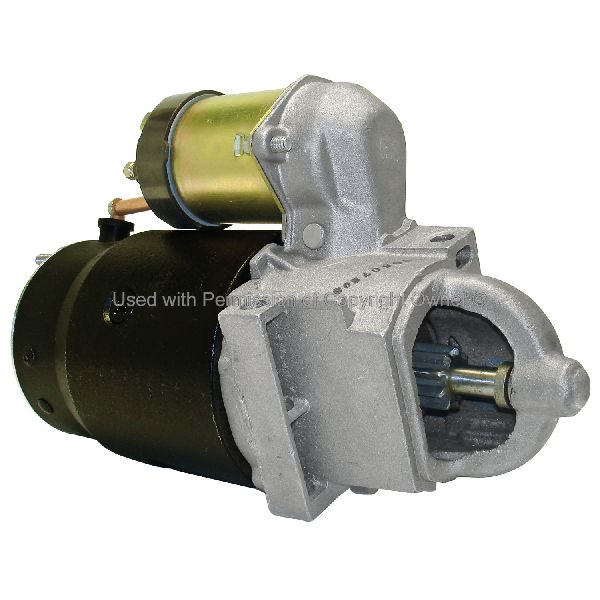
- OEM-Quality / Standard Replacement (ACDelco, MPA): ACDelco is GM's original parts brand and offers a reliable, stock-style replacement that should fit and function like the original. MPA is another large aftermarket supplier providing standard new and remanufactured starters that meet factory specifications. These are good choices for a daily driver or stock restoration.
- Performance / High-Torque (Powermaster, Proform): Brands like Powermaster and Proform specialize in high-torque, gear-reduction starters. These are often called "mini starters" because they are smaller and lighter than the original units. They provide more cranking power, which is great for high-compression engines or for solving heat soak problems. While Powermaster generally has a strong reputation for reliability and power, reviews for Proform can be mixed, with some users reporting early failures or installation issues.
What Will a New Starter Cost?
The price for a new starter for your C1500 can vary significantly based on the brand and type. Performance starters are typically more expensive than standard replacements.
| Part Type | Estimated Cost |
|---|---|
| New Aftermarket (Standard) | $40 - $150 |
| New Aftermarket (High-Torque/Performance) | $150 - $435 |
| Shop Labor | $100 - $250 |
Frequently Asked Questions (FAQ)
Do I need to use shims when I install my new starter?
Maybe. GM starters from this era sometimes require thin metal plates called shims to be placed between the starter and the engine block. Shims create the correct distance between the starter gear and the flywheel. Incorrect spacing can cause grinding noises or damage. Many new starters come with a small pack of shims and instructions on how to check the clearance.
What's the difference between a staggered and an inline bolt pattern?
Chevy/GMC engines of this era used two different starter mounting patterns. One has the two mounting bolts straight across from each other (inline), and the other has them offset (staggered). You must order a starter that matches your engine block's bolt pattern. Check your old starter before ordering a new one.
What is a starter solenoid?
The solenoid is a small, powerful electromagnet attached to the starter motor. When you turn the key, it does two things: it pushes the starter gear out to engage the flywheel, and it acts as a relay to send the high-amperage current from the battery to the starter motor. A "click-no-crank" symptom often points to a faulty solenoid.
Do I really need a starter heat shield?
If you have a V8 engine, especially with headers, a heat shield is a very good idea. It's an inexpensive part that wraps around the starter to protect it from the intense heat of the exhaust. This can prevent heat soak and extend the life of your new starter.
Technical Specifications
OEM Part Numbers: 10456482 1114578 1114582
Varies by engine (4.1L L6, 4.3L V6, 5.0L V8, 5.7L V8, 6.2L V8 Diesel, 7.4L V8). Key factors include mounting type (staggered or inline bolt pattern), number of teeth on the drive gear, and whether it is a direct-drive or gear-reduction unit. High-torque and mini-starters are common upgrades.
We Have This Part in Stock

The information in this article is provided for general reference and educational purposes only. Vehicle specifications, procedures, and part compatibility can vary by production date, trim level, and region. Always consult your vehicle's factory service manual and verify part numbers before purchasing or performing repairs. Safety-critical components such as airbags, seat belts, and braking systems should be installed by a qualified professional.