

A Deep Dive into the Steering Gear for 1979-1987 GMC C1500 Trucks
If your classic square body truck wanders on the road or leaks fluid, it might be time for a new steering gear.
- The most common failure symptoms are excessive steering play ('slop') and power steering fluid leaks.
- Before replacing the gear, always inspect the rag joint first, as it's a common and cheaper part that also causes steering play.
- You can choose between lower-cost remanufactured units, which can have inconsistent quality, or 100% new aftermarket units that cost more but offer higher reliability.
- A wheel alignment is highly recommended after replacement to ensure proper handling and prevent tire wear.
Is Your C1500's Steering Feeling Loose?
One of the most common complaints about these classic "square body" trucks is loose or vague steering. If you find yourself constantly correcting the steering wheel to keep your truck driving straight, or if there's a lot of play before the wheels respond, the steering gear is a likely culprit. Over many years and miles, the internal components of the original Saginaw-style gear box wear out. This leads to the classic symptoms that many owners of 1979-1987 C1500s experience.
Common Symptoms of a Failing Steering Gear
A worn steering gear doesn't usually fail suddenly, but its performance gets worse over time. Watch for these signs:
- Excessive Steering Play: This is the number one symptom. You might turn the steering wheel several inches before the front wheels start to move. This is often called "slop" or "wander."
- Fluid Leaks: Finding puddles of reddish or dark power steering fluid under the front of your truck is a sure sign of trouble. Leaks often come from the seals where the steering shaft enters the top (input shaft) or where the pitman arm connects at the bottom (output shaft).
- Binding or Sticking: You may feel spots where the steering is suddenly harder to turn, or it may feel tight in one direction but not the other.
- Grinding or Popping Noises: Worn internal gears can cause grinding or popping sounds when you turn the wheel.
Check Other Parts First
Before you blame the gearbox, check the rest of the steering system. A worn-out rag joint (the flexible disc connecting the steering shaft to the gearbox) is a very common cause of steering play and is a cheaper, easier fix. Also, have a helper turn the wheel while you watch the pitman arm, tie rods, and idler arm for any looseness.
Choosing the Right Aftermarket Steering Gear
For a vehicle of this age, finding a brand-new OEM part from GM is not a realistic option. The market is served by aftermarket manufacturers offering either remanufactured or fully new parts. Understanding the difference is key to making the right choice for your truck.
Remanufactured vs. 100% New Aftermarket
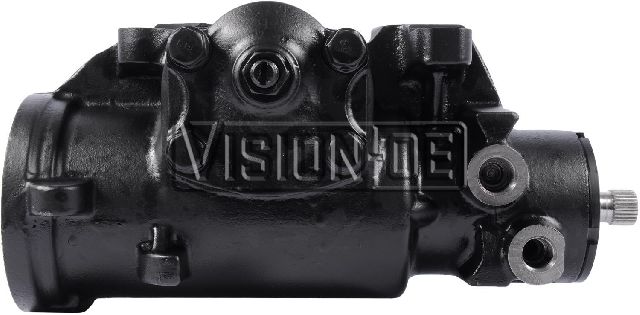
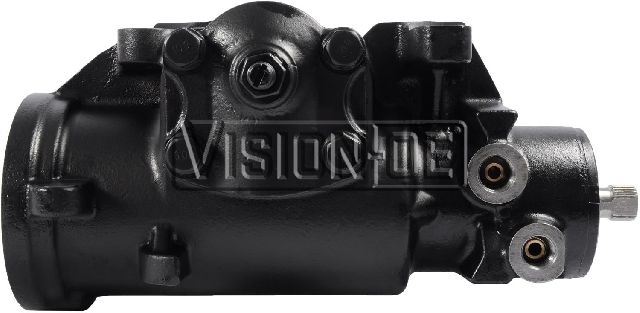
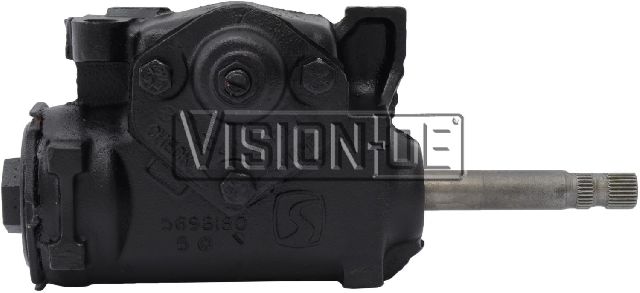
Remanufactured steering gears, like those from large-scale producers such as BBB Industries, are original units that have been taken apart, cleaned, and rebuilt with new seals, bearings, and other wear items. The main advantage is cost. They are often the most affordable option. However, quality can be inconsistent. Some units may work perfectly, while others might have issues like leaks or play right out of the box because not every internal hard part is replaced.
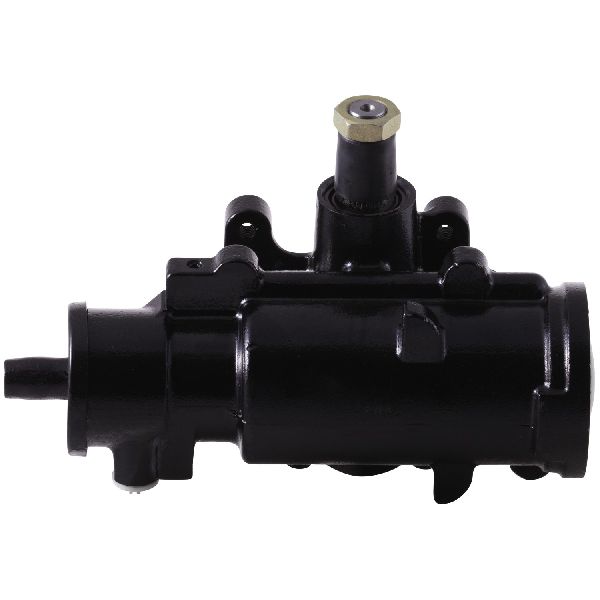
100% New Aftermarket steering gears, such as those offered by PWR, are built from scratch with all-new components. Nothing is reused from an old core. This approach generally results in higher, more consistent quality and reliability, as there's no risk of hidden wear from a previous life. These parts often meet or exceed the original factory performance. The trade-off is a higher purchase price, but it can be a worthwhile investment for better longevity and peace of mind.
A Note on Frame Cracks
The frames on square body trucks, especially 4x4 models, are known to sometimes crack around the steering gear mounting holes. When you replace your steering gear, inspect this area of the frame carefully. If you see any cracks, they must be repaired by a qualified welder. Frame brace kits are also available from aftermarket suppliers to prevent this from happening.
Estimated Replacement Costs
The cost of replacing your steering gear can vary based on the part you choose and local labor rates. The prices below are estimates for the GMC C1500.
| Part Type | Estimated Cost |
|---|---|
| New Aftermarket (e.g., PWR) | $338.73 - $796.18 |
| Remanufactured (e.g., BBB Industries) | $220 - $400 |
| Shop Labor | $170 - $270 |
| Total Estimated Cost | $390 - $1070+ |
Frequently Asked Questions
Is a wheel alignment needed after replacing the steering gear?
Yes, an alignment is highly recommended. Replacing the steering gear can change the steering wheel's center position and affect your truck's alignment. A proper alignment ensures the truck drives straight, prevents uneven tire wear, and makes sure your steering wheel is centered.
Are there any recalls for the 1979-1987 GMC C1500 steering gear?
No. Searches of the National Highway Traffic Safety Administration (NHTSA) database show no recalls specifically for the hydraulic steering gear on the 1979-1987 GMC C1500. Recalls you may find for GM trucks relate to much newer models with different electronic power steering systems.
Should I replace my power steering hoses at the same time?
It's a very good idea. The power steering hoses have to be disconnected to replace the gear anyway. After decades of service, the original rubber hoses can become brittle, cracked, or clogged internally. Replacing them with the new gear is a smart preventative measure and is much easier than doing the job separately later.
What's the difference between a 2WD and 4WD steering gear for these trucks?
The steering gears for two-wheel drive (C1500) and four-wheel drive (K1500) models are different and are not interchangeable. The main differences are in the output shaft and the orientation of the pitman arm. You must order the correct part for your specific drivetrain.
Technical Specifications
System Type: Recirculating Ball (Hydraulic Power Assist)
We Have This Part in Stock

The information in this article is provided for general reference and educational purposes only. Vehicle specifications, procedures, and part compatibility can vary by production date, trim level, and region. Always consult your vehicle's factory service manual and verify part numbers before purchasing or performing repairs. Safety-critical components such as airbags, seat belts, and braking systems should be installed by a qualified professional.
- 🛍️ Shop This Part
- Is Your C1500's Steering Feeling Loose?
- Common Symptoms of a Failing Steering Gear
- Check Other Parts First
- Choosing the Right Aftermarket Steering Gear
- Remanufactured vs. 100% New Aftermarket
- A Note on Frame Cracks
- Estimated Replacement Costs
- Frequently Asked Questions
- 🎟️ Get 5% Off