

A Guide to Replacing the HVAC Blower Motor on a 1979-1987 GMC C1500 Suburban
If your GMC's cabin fan has quit or is making noise, this guide will help you choose the right part and get your air flowing again.
- If the fan only works on high, the problem is likely the blower motor resistor, not the motor.
- Replacement is an easy DIY job, located on the passenger-side firewall and requiring basic tools.
- For better performance, consider upgrading to a blower motor from a 90s GM truck (like part PM129) for more airflow.
- Always ensure the new motor has a clean, solid ground connection to prevent electrical issues.
Is Your Blower Motor Failing? Common Symptoms
A failing blower motor in your 1979-1987 GMC C1500 Suburban will usually give you clear warning signs. Because this is a simple part, diagnosing it is straightforward.
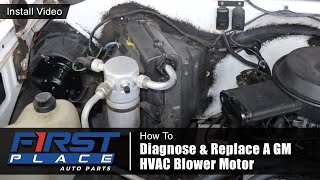
🎬 Watch: Diagnosing and replacing a bad square body blower motor.- No Air or Weak Airflow: The most obvious symptom is a complete lack of air from the vents, even when you turn the fan to high. Sometimes the motor will just spin slowly, resulting in very weak airflow.
- Loud Noises: Squealing, grinding, or rattling sounds coming from the passenger side of the dashboard are a classic sign of a bad motor. The motor's internal bearings wear out, causing squealing or grinding. Rattling can be caused by debris like leaves getting into the fan cage.
- Fan Only Works on High Speed: This is a very common issue. However, it usually means the blower motor resistor has failed, not the motor itself. The resistor controls the lower fan speeds. If your fan works on high but not on low or medium, diagnose the resistor first before replacing the motor.
- Burning Smell: A hot, electrical smell from the vents can mean the motor is overheating and about to fail completely. Stop using the fan if you notice this smell.
Pro Tip: The Blower Motor Upgrade
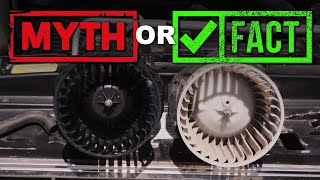
Many owners of these "Square Body" trucks choose to upgrade their blower motor instead of just replacing it. A motor from a 1990s GM truck (such as a 1994 Chevy K2500, part number PM129) is a direct bolt-in replacement that can increase airflow by up to 25%. Since the price is often similar to a standard replacement, this is a popular and effective modification.
🎬 See how to perform this $30 blower motor airflow upgrade.Choosing the Right Aftermarket Blower Motor
For a vehicle like the '79-'87 Suburban, aftermarket parts offer excellent value. The original GM blower motors were not known for powerful airflow, and modern replacements can be an improvement. Given the easy replacement process, you don't need to spend a fortune, but choosing a reputable brand can prevent annoying noises and premature failure.
Brand Quality Tiers
- Premium Aftermarket (Good): Brands like Continental are known for producing parts that meet or exceed original equipment (OE) standards. They are a trusted choice for durability and quiet operation. A Continental motor is a solid bet if you want a fit-and-forget solution.
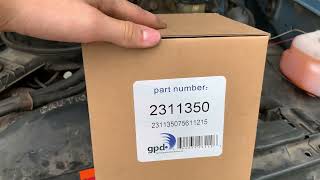
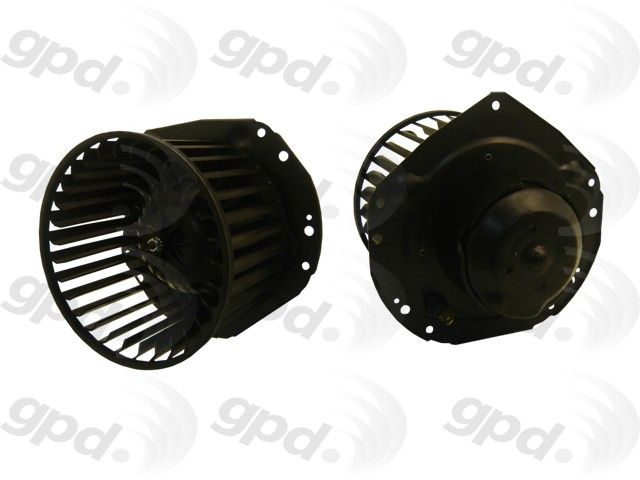
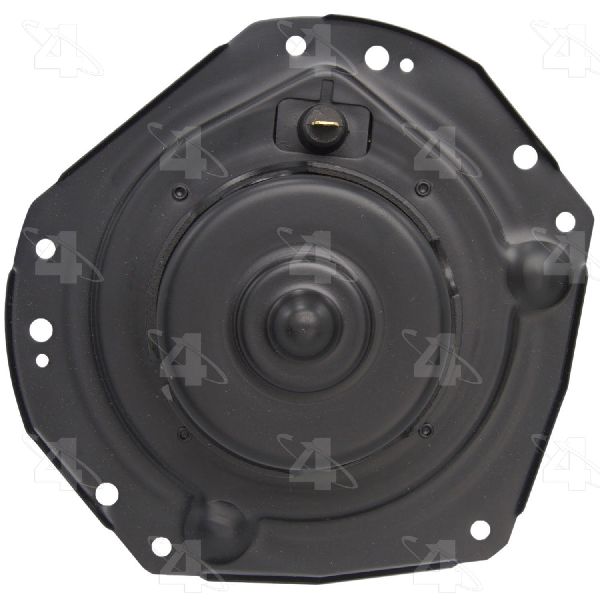
- Standard Aftermarket (Better): Four Seasons and Global Parts (GPD) are well-known names in the climate control world. Four Seasons is a widely available option trusted by many DIYers, though some users report noise with certain applications. GPD has a strong reputation specifically for climate components, making them a reliable choice.
Since the installation is simple on this truck, any of these brands represent a good choice. The decision often comes down to price and availability.
Cost of Replacing Your Blower Motor
The cost to replace the blower motor on a 1979-1987 GMC C1500 Suburban is relatively low, especially if you do the work yourself.
| Part/Service | Estimated Cost |
|---|---|
| New Aftermarket Blower Motor | $47.72 - $124.70 |
| Shop Labor | $90 - $150 |
| Total Professional Replacement | $138 - $275 |
Frequently Asked Questions
Can I replace the blower motor myself?
Yes, absolutely. The blower motor on this Suburban is located in the engine bay on the passenger-side firewall and is held in by a few screws. It is considered an easy DIY job that requires only basic hand tools and about 30-60 minutes.
My fan only works on high. Is the motor bad?
Probably not. When the fan only operates on the highest setting, the most common culprit is the blower motor resistor, not the motor itself. This is a separate, inexpensive part that is also easy to replace. Always check the resistor before buying a new motor if you experience this specific symptom.
Is a noisy or failing blower motor dangerous?
While the motor itself is not a direct danger, its failure can create an unsafe situation. Without a functioning blower motor, you cannot use your defrost or defog your windshield, which is a serious safety risk in cold or humid weather. A motor that is overheating could also pose a small fire risk, so any burning smells should be addressed immediately.
Do I need to replace the fan cage (squirrel cage) too?
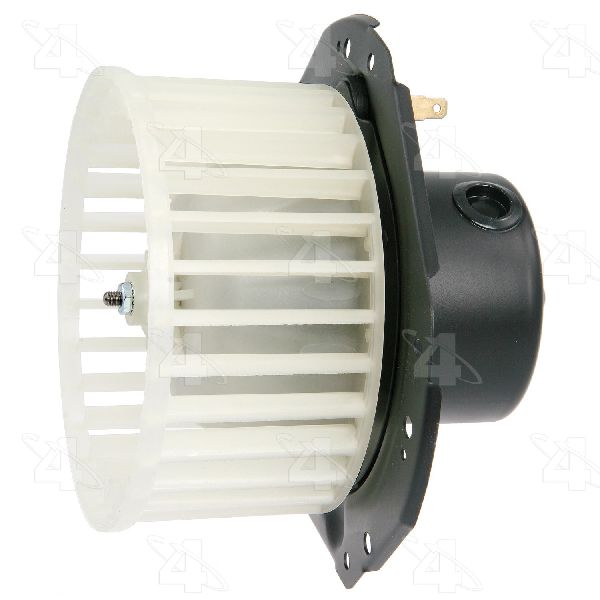
Usually, no. Most new motors require you to transfer the original plastic fan cage. Be careful when removing it from the old motor, as the plastic can become brittle with age. If the cage is cracked or damaged, you should buy a replacement motor that includes a new fan cage.
What's the first thing I should check?
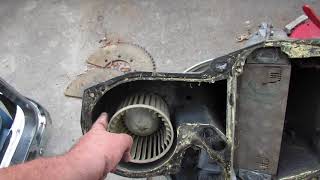
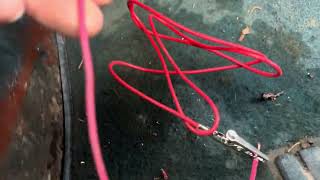
Before buying any parts, check the fuse for the blower motor. A blown fuse will cause the fan to stop working entirely. Also, check for a good ground connection at the motor; poor grounds are a common issue 🎬 Watch this guide to diagnosing the blower motor electrical circuit. on older vehicles.
Helpful Videos

Technical Specifications
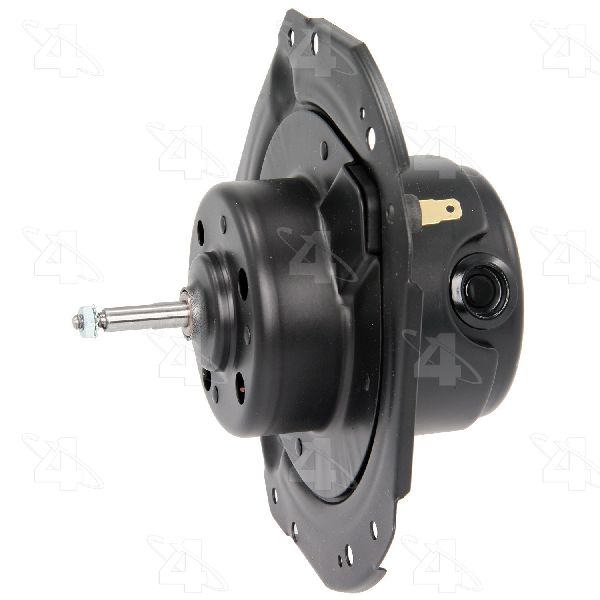
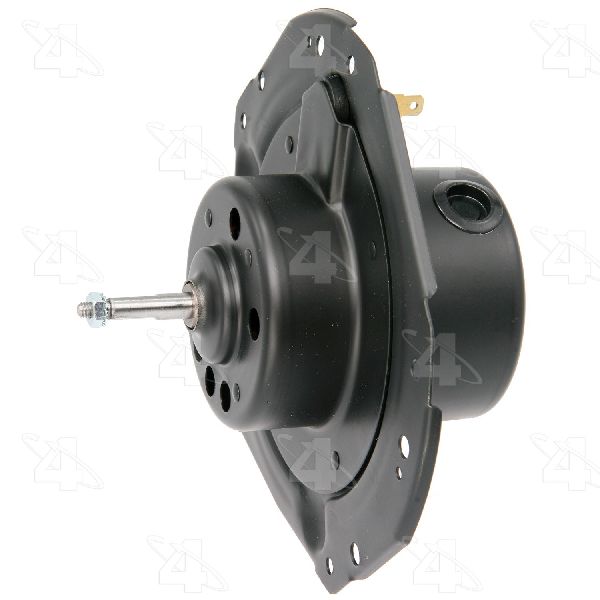
The blower motor is located on the passenger side of the firewall in the engine bay. It is typically held in by five or six 5/16-inch or 7mm screws. A popular upgrade motor is part number PM129, originally for later model GM trucks.
We Have This Part in Stock

The information in this article is provided for general reference and educational purposes only. Vehicle specifications, procedures, and part compatibility can vary by production date, trim level, and region. Always consult your vehicle's factory service manual and verify part numbers before purchasing or performing repairs. Safety-critical components such as airbags, seat belts, and braking systems should be installed by a qualified professional.