

GMC C2500 Catalytic Converter: A Guide for 1979-1987 Models
If your classic GMC truck is losing power or smells like rotten eggs, your catalytic converter might be the problem.
- Your 1979-1987 truck is pre-OBD-II, so you must diagnose a bad converter by physical symptoms like power loss and rotten egg smell, not check engine codes.
- Failure is often caused by an underlying engine issue like a rich fuel mixture; fix this first to protect your new converter.
- Aftermarket is the only realistic option; Magnaflow is a premium choice, Walker is a standard replacement, and Eastern is a budget option.
- If you live in a state with strict emissions, you may need a more expensive CARB-compliant converter.
Is Your Catalytic Converter Failing?
On a 1979-1987 GMC C2500, you won't have a check engine light with codes to tell you the converter is bad. These trucks are from the pre-OBD-II era. Instead, you have to rely on physical symptoms that show up when the converter gets clogged or stops working.
Common Symptoms of a Bad Converter:
- Loss of Power: This is the most common sign. A clogged converter creates backpressure in the exhaust, which chokes the engine and makes your truck feel sluggish and weak, especially when accelerating or hauling.
- Rotten Egg Smell: A strong sulfur or rotten egg smell from the exhaust means the converter isn't breaking down the gases correctly.
- Rattling Noise: If you hear a rattling sound from under the truck, the honeycomb structure inside the converter may have broken apart.
- Worse Gas Mileage: When the engine has to work harder to push exhaust gases out, it burns more fuel.
- Engine Stalling: In severe cases, a completely blocked converter can cause the engine to stall or be very hard to start.
Don't Ignore a Clogged Converter
While you might be able to drive for a short time, a severely clogged catalytic converter can create enough backpressure to cause engine stalling and, in extreme cases, lead to engine damage. It's best to address the issue as soon as you notice symptoms.
Choosing the Right Aftermarket Converter
For a vehicle of this age, finding a brand-new Original Equipment Manufacturer (OEM) part from GM is highly unlikely. The aftermarket is your primary source for a replacement. The main differences between brands are price, materials (like stainless steel vs. aluminized steel), and the quality of the catalyst materials inside.
Brand Quality Tiers
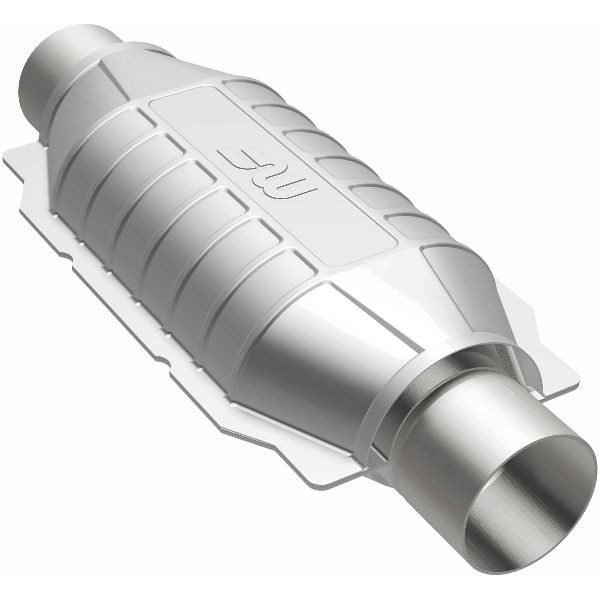
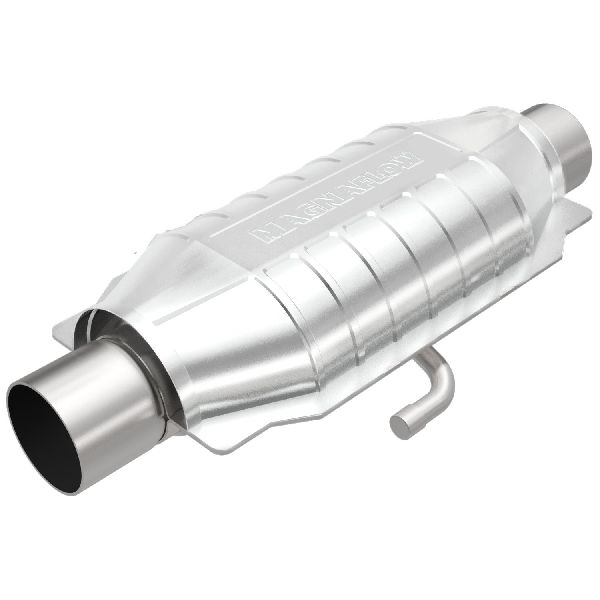
- Premium (Magnaflow): Often considered a higher-quality option, Magnaflow converters are known for good construction, often using stainless steel, and a proper fit. They may offer better exhaust flow, which can help with performance, but they are typically at the higher end of the price range.
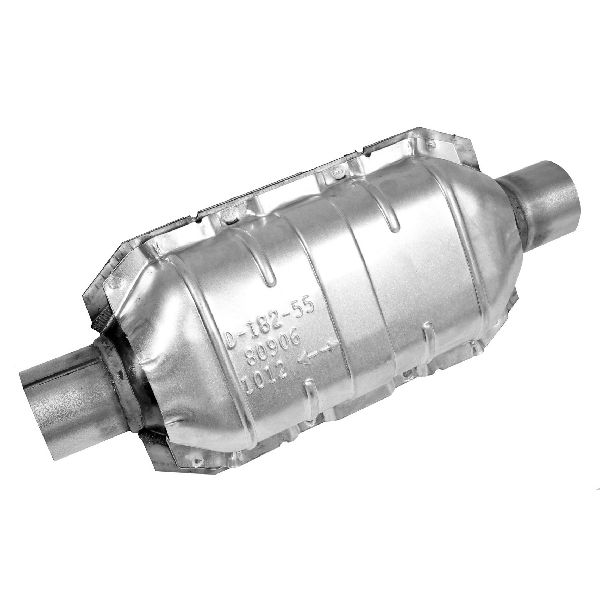
- Standard (Walker Exhaust): Walker is a well-known brand that provides reliable, standard replacement parts that are often compared to original factory quality. They are a solid middle-ground choice for a balance of price and durability.
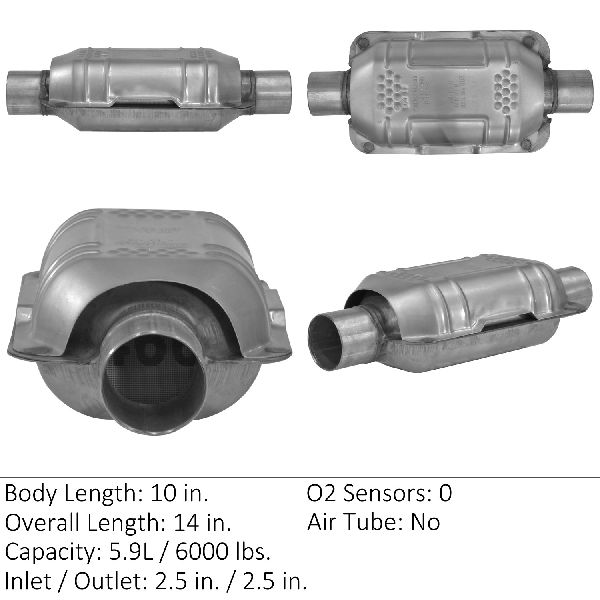
- Economy (Eastern Catalytic): This brand is usually the most budget-friendly option. While they meet federal requirements, some users have noted that cosmetic parts like heat shields may rust faster than on more expensive units. However, Eastern sometimes offers a longer performance warranty than the federally mandated 25,000 miles.
Direct-Fit vs. Universal
For your C2500, you will find both "direct-fit" and "universal" converters. A direct-fit model is designed to bolt right into your specific truck's exhaust system, making installation easier. A universal converter is cheaper but requires cutting and welding to fit, which increases labor time and cost if a shop does the work.
Known Issues, Recalls, and Bulletins
Searches of the National Highway Traffic Safety Administration (NHTSA) database and for Technical Service Bulletins (TSBs) did not show any specific recalls or service bulletins related to the catalytic converter for the 1979-1987 GMC C2500.
Frequently Asked Questions (FAQ)
Why did my original converter fail?
Besides old age, catalytic converters usually fail because of another engine problem. An engine that burns oil or coolant can contaminate the converter. A rich fuel mixture from a poorly tuned carburetor or a leaky fuel injector can also cause the converter to overheat and melt internally. Before installing a new converter, it's wise to make sure your engine is running properly to avoid damaging the new part.
Is it hard to replace a C2500 catalytic converter myself?
If you have a direct-fit replacement, the job involves unbolting the old unit and bolting in the new one. However, the bolts will likely be very rusted. You will need tools like a breaker bar, penetrating oil, and possibly a reciprocating saw to cut the old pipes. It is a feasible DIY job for someone with mechanical experience, but it can be difficult without the right tools to handle rusted exhaust parts.
Do I need a special type of converter for California?
Yes. California has its own stricter emissions standards, managed by the California Air Resources Board (CARB). If your truck is registered in California or a state that has adopted CARB standards, you must use a CARB-compliant catalytic converter. These are more expensive because they have a higher loading of precious metals to meet the stricter standards. Always check your local laws before purchasing.
What is the difference between a 2-way and 3-way converter?
Early catalytic converters were often "2-way," meaning they oxidized carbon monoxide (CO) and hydrocarbons (HC). Later, "3-way" converters were introduced that also reduce nitrogen oxides (NOx). Most modern aftermarket replacements, even for older vehicles, are 3-way converters as they are more effective.
Technical Specifications
Varies by engine (e.g., 305, 350, 454 V8) and exhaust configuration (single or dual). Most C2500 models from 1979-1987 with a Gross Vehicle Weight Rating (GVWR) under 8,500 lbs required a catalytic converter.
We Have This Part in Stock

The information in this article is provided for general reference and educational purposes only. Vehicle specifications, procedures, and part compatibility can vary by production date, trim level, and region. Always consult your vehicle's factory service manual and verify part numbers before purchasing or performing repairs. Safety-critical components such as airbags, seat belts, and braking systems should be installed by a qualified professional.