

GMC C2500 Radiator Replacement Guide for 1979-1987 Models
Keep your classic Square Body truck from overheating by choosing the right replacement radiator.
- Measure your radiator core height (17" or 19" are common) before ordering to ensure correct fitment.
- For most owners, a standard replacement brand like Spectra offers a good balance of price and quality.
- Avoid budget brands like APDI, which have a reputation for poor quality and fitment issues.
- If you tow or have a modified engine, consider a full-aluminum radiator from a brand like Frostbite for better cooling.
Is Your Radiator Failing? Common Symptoms in a 1979-1987 GMC C2500
On a classic truck like the GMC C2500, radiator problems are usually easy to spot. These trucks don't have complex electronic sensors for the cooling system, so you'll need to rely on what you can see, smell, and hear.
- Engine Overheating: The most obvious sign. If your temperature gauge is creeping into the red, especially when driving at highway speeds or under load, your radiator may be clogged internally and unable to cool the fluid effectively.
- Visible Coolant Leaks: Puddles of green or orange fluid under the front of your truck are a clear warning. Check for leaks around the radiator hoses, the seams where the tanks meet the core, or from the plastic drain plug (petcock) at the bottom.
- Physical Damage or Corrosion: Look at the radiator fins. If they are clogged with bugs and debris, airflow is blocked. If the fins are crumbling or you see a lot of white or greenish corrosion, the radiator is nearing the end of its life.
- Low Coolant Level: If you constantly have to add coolant to your overflow tank, you have a leak somewhere in the system. The radiator is a common source for these slow leaks.
- Coolant Sludge: When you look inside the radiator, the coolant should be clean. If it looks like rusty mud or sludge, the inside of your radiator is likely corroded and clogged. This can also point to other engine issues.
A Note on Original Radiators
Many of these trucks came from the factory with copper and brass radiators. While durable, they can fail from corrosion after 40+ years. Some owners choose to have them repaired or "re-cored" at a specialty radiator shop, but these shops are becoming rare. For most owners, a new aftermarket radiator is the most practical and affordable solution.
Choosing the Right Aftermarket Radiator
The aftermarket offers a wide range of radiators for your C2500, from basic replacements to heavy-duty performance upgrades. They generally fall into three tiers.
Tier 1: Performance All-Aluminum Radiators
These are for owners who demand the best cooling, especially for modified engines, heavy towing, or use in hot climates. They are fully constructed from aluminum and TIG-welded for maximum strength.
- Brands: Frostbite, Mishimoto (Performance Line)
- Pros: Superior cooling efficiency, durable all-metal construction, often have more rows or larger tubes.
- Cons: Highest price point. Some brands may require minor modifications for a perfect fit, such as different transmission line adapters. Reviews for some performance brands can be mixed, with some users reporting leaks after a few years.
Tier 2: Standard Replacement Radiators
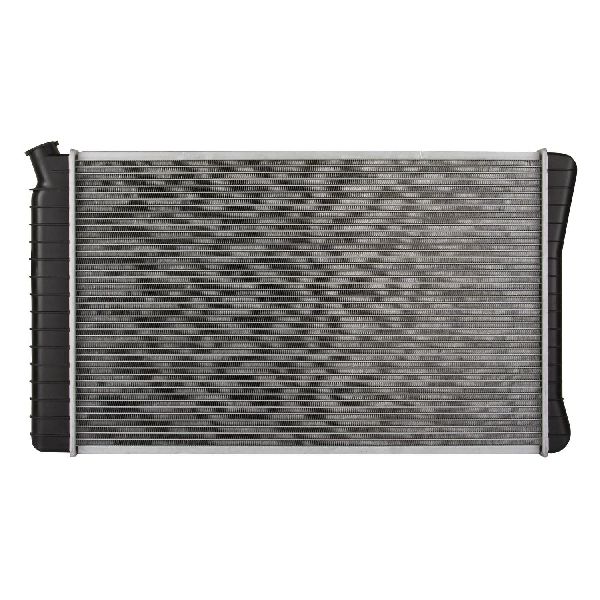
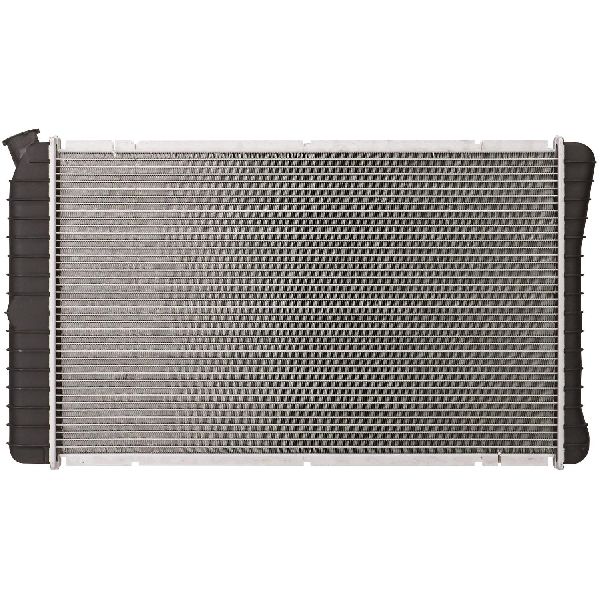
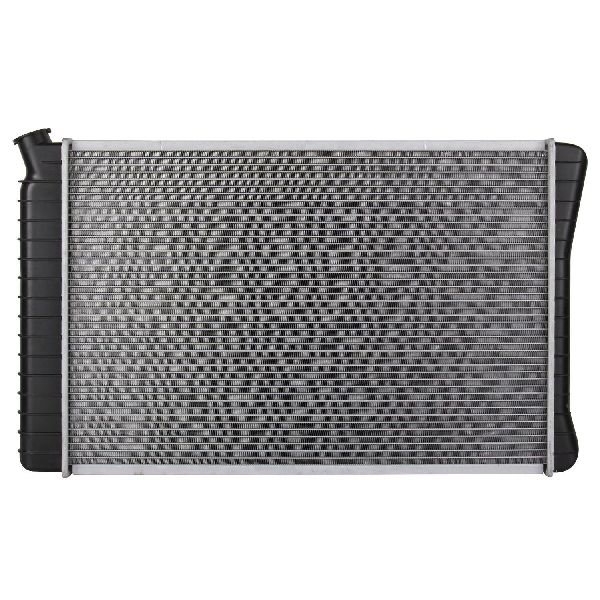
This is the most popular category, offering a balance of quality and price that is perfect for a daily driver or stock vehicle. These typically feature an aluminum core with plastic side tanks, similar to most modern vehicles.
- Brands: Spectra, Onix, Global Parts
- Pros: Affordable, widely available, and designed for a direct fit. Spectra is a commonly mentioned brand with a decent reputation among truck owners.
- Cons: The plastic tanks can become brittle and crack over time, which is a common failure point. Quality can vary compared to a high-end aluminum unit.
Tier 3: Economy Radiators
These are the cheapest options available. While the low price is tempting, quality and longevity are significant concerns. Forum users often warn against these brands.
- Brands: APDI, Replacement, One Stop Solutions
- Pros: Very low cost.
- Cons: Widespread reports of poor quality, incorrect fitment, and premature failure. Users have noted issues like incorrect transmission fittings and receiving parts that leak right out of the box.
Common Ordering Mistakes to Avoid
Before you buy, confirm these three things on your truck:
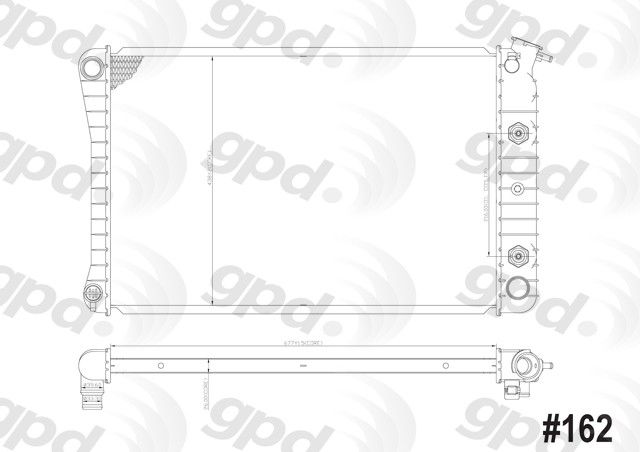
- Measure Your Core: Not the whole radiator, just the finned area. Square Body trucks used different core heights, often 17-inch or 19-inch. Ordering the wrong size is a common mistake.
- Check Hose Inlets/Outlets: Verify the diameter of your upper and lower radiator hoses to ensure your new radiator matches. Some aftermarket parts may have slightly different sizes.
- Transmission Type: If you have an automatic transmission, your radiator has a built-in cooler with two small fittings. Make sure the radiator you order has these provisions. Manual transmission trucks do not use these.
Cost of Replacing a 1979-1987 GMC C2500 Radiator
| Part Type | Estimated Cost |
|---|---|
| New Aftermarket Radiator | $126 - $450 |
| Shop Labor | $150 - $300 |
| Total Estimated Cost | $276 - $750 |
Cost estimates are for parts and labor and can vary by location and garage.
Frequently Asked Questions
Is replacing the radiator a DIY job?
Yes, for most people with basic tools and mechanical experience. The process is straightforward on these trucks, involving draining the coolant, removing the fan shroud, disconnecting hoses, and unbolting the radiator. It does not require specialized tools, though some aftermarket parts might require minor fitment adjustments.
Should I get a 2-row, 3-row, or 4-row radiator?
More rows are not automatically better. A high-quality 2-row radiator with large 1-inch or 1.25-inch tubes can cool more effectively than a cheap 4-row with small tubes because it allows for better airflow. For most stock or lightly modified trucks, a quality 2-row or 3-row is more than sufficient.
Do I need an all-aluminum radiator?
For a standard work truck or daily driver, a quality replacement with plastic tanks and an aluminum core (like Spectra) is usually fine. If you tow heavy loads, have a high-performance engine, or live in a very hot climate, the extra cooling and durability of an all-aluminum radiator from a brand like Frostbite is a worthwhile investment.
Were there any recalls for the 1979-1987 GMC C2500 radiator?
No, searches of the National Highway Traffic Safety Administration (NHTSA) database and other sources show no recalls or technical service bulletins (TSBs) related to the radiator for this specific vehicle generation. This is common for vehicles of this age.
Should I flush my cooling system when I replace the radiator?
Absolutely. Replacing the radiator is the perfect time to flush the entire system to remove old coolant, rust, and debris from the engine block and heater core. This ensures your new radiator is protecting a clean system, which will help it last longer. Always use distilled water and the correct type of coolant for older vehicles.
Technical Specifications
Material: Copper/Brass (Original OEM), Aluminum/Plastic (Standard Aftermarket), All-Aluminum (Performance Aftermarket). Core Height: Varies, typically 17" or 19". Transmission Cooler: Integrated into radiator tank for automatic transmission models.
We Have This Part in Stock


The information in this article is provided for general reference and educational purposes only. Vehicle specifications, procedures, and part compatibility can vary by production date, trim level, and region. Always consult your vehicle's factory service manual and verify part numbers before purchasing or performing repairs. Safety-critical components such as airbags, seat belts, and braking systems should be installed by a qualified professional.
- 🛍️ Shop This Part
- Is Your Radiator Failing? Common Symptoms in a 1979-1987 GMC C2500
- A Note on Original Radiators
- Choosing the Right Aftermarket Radiator
- Tier 1: Performance All-Aluminum Radiators
- Tier 2: Standard Replacement Radiators
- Tier 3: Economy Radiators
- Common Ordering Mistakes to Avoid
- Cost of Replacing a 1979-1987 GMC C2500 Radiator
- Frequently Asked Questions
- 🎟️ Get 5% Off