

A Guide to the 1979-1987 GMC C2500 Steering Gear
Fixing sloppy steering in your classic GMC C2500 often starts with the steering gear.
- Sloppy steering is the number one sign of a failing steering gear on these trucks.
- Before ordering a part, inspect the frame around the steering gear for cracks, as this is a known weak point.
- Consider upgrading to a quick-ratio steering gear for a significant improvement in handling and a more modern feel.
- New aftermarket parts are generally more reliable than remanufactured ones, which have inconsistent quality reviews.
Is Your Steering Gear Failing?
The steering gear on these classic GMC trucks is a common wear item. After decades of use, the internal gears and seals wear out. This leads to the sloppy, unresponsive steering that many "square body" trucks are known for. Ignoring these symptoms can be a safety risk, as the play in the steering can become excessive.
Key Symptoms of a Worn Steering Gear
- Excessive Steering Play: This is the most common sign. You can turn the steering wheel several inches before the front wheels start to move.
- Fluid Leaks: Puddles of reddish power steering fluid under the front of your truck often point to failing seals in the gearbox, especially around the pitman arm shaft at the bottom.
- Popping or Binding: You might feel a pop, click, or a spot where the steering sticks and then releases as you turn the wheel.
- Wandering on the Road: The truck may feel like it's drifting and requires constant small corrections to keep it driving straight.
Critical Frame Inspection
Before replacing your steering gear, you MUST inspect the truck's frame where the gear mounts. These trucks are known to develop cracks in the frame around the steering gear mounting bolts due to stress over time. If you find cracks, they must be repaired by a qualified welder before installing a new gear. Reinforcement plates are also available to prevent this from happening again.
Choosing the Right Aftermarket Steering Gear
Original GM parts for these trucks are no longer available. Your choice is between remanufactured and new aftermarket parts. For this specific part, the quality difference can be significant.
Brand Tiers
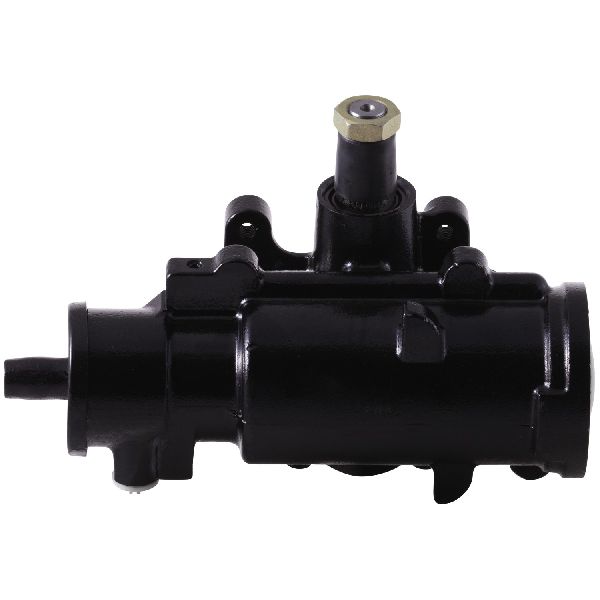
- Tier 1: Premium New (PWR): Brands like PWR offer completely new steering gears, not remanufactured ones. This means all components, from the housing to the internal gears and seals, are new. This eliminates the risk of getting a part that was rebuilt from a worn-out core. They are a more expensive option but offer the highest reliability and performance, often meeting or exceeding original specs.
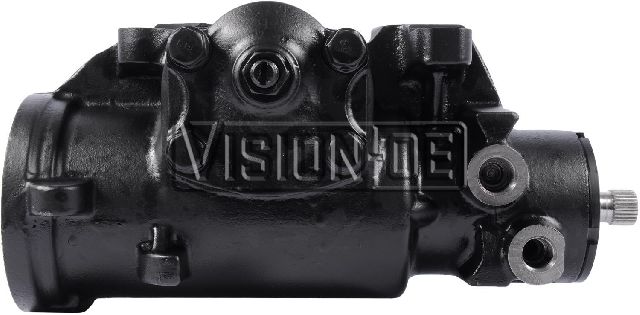
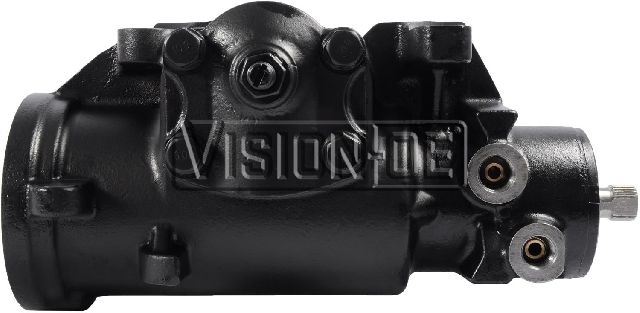
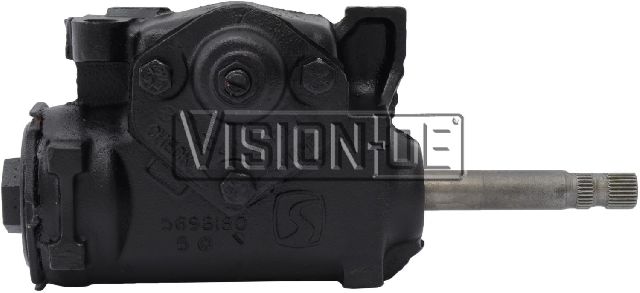
- Tier 2: Standard Remanufactured (BBB Industries): Remanufactured gears are a more budget-friendly option. Brands like BBB Industries take old units, replace worn seals and bearings, and resell them. However, owner reviews for remanufactured steering gears are very mixed. Many report that these units still have play or start leaking soon after installation. This is often because the core components, like the main gears, were already too worn to be properly refurbished.
Upgrade Opportunity: Quick Ratio Steering
Replacing your steering gear is the perfect time to upgrade. The original steering in these trucks is very slow (a high turn ratio). Upgrading to a "quick ratio" gear (like a 12.7:1) will make the steering feel much more responsive and modern, similar to a new truck. It means fewer turns of the steering wheel are needed to turn the wheels, making parking and city driving much easier.
Estimated Replacement Costs
The cost to replace a steering gear depends on the part you choose and local labor rates. Below are general estimates.
| Item | Estimated Cost |
|---|---|
| New Aftermarket Steering Gear (Premium) | $500 - $800 |
| New Aftermarket Steering Gear (Standard) | $338 - $500 |
| Shop Labor | $150 - $350 |
| Total Estimated Cost | $488 - $1150 |
Frequently Asked Questions
How difficult is it to replace the steering gear myself?
This is a moderately difficult job for a DIY mechanic. It requires heavy-duty tools, including a pitman arm puller, line wrenches, and a way to safely lift and support the front of the truck. The bolts can be very tight and rusted. The process involves disconnecting the steering shaft, power steering lines, and pitman arm, unbolting the old gear, and then reversing the process. The system must be properly bled afterward to remove air.
Do I need to replace the pitman arm or rag joint?
It is highly recommended. The rag joint, which connects the steering column to the gearbox, is a common wear item that also causes steering play. Inspecting and likely replacing it at the same time is a good idea. The pitman arm connects the gearbox to your steering linkage. While it can sometimes be reused, it can be extremely difficult to remove from the old gear, and it's often easier to replace it.
What kind of fluid should I use?
Always use new, clean power steering fluid. Check the fluid manufacturer's specifications to ensure it is compatible with your GMC truck. When replacing the gear, it's critical to flush the entire system to remove old, contaminated fluid that could damage your new part.
What is the difference between a 2WD and 4WD steering gear?
The steering gears for two-wheel drive (C2500) and four-wheel drive (K2500) models are often different and are not interchangeable. They have different mounting configurations and pitman arms. Always ensure you are ordering the correct part for your specific drivetrain.
Technical Specifications
The steering system is a recirculating ball type with hydraulic power assist. Key differences exist between 2WD and 4WD models. Upgrades to a quicker steering ratio (e.g., 12.7:1) from the stock ratio (e.g., 17.5:1) are common. The input shaft uses a rag joint coupler.
We Have This Part in Stock

The information in this article is provided for general reference and educational purposes only. Vehicle specifications, procedures, and part compatibility can vary by production date, trim level, and region. Always consult your vehicle's factory service manual and verify part numbers before purchasing or performing repairs. Safety-critical components such as airbags, seat belts, and braking systems should be installed by a qualified professional.