

Alternator Replacement Guide for the 1979-1987 GMC C2500 Suburban
Keep your classic 'Square Body' Suburban charging system reliable with the right new aftermarket alternator.
- Decide if you need a standard or high-output alternator based on your truck's electrical accessories.
- Replacing the alternator is a very DIY-friendly job on these trucks, requiring only basic tools.
- When upgrading to a higher-amperage alternator, you should also upgrade the main charge wire to prevent electrical issues.
- Inspect your drive belt and battery connections when you replace the alternator; a worn belt or bad connection can mimic alternator failure.
Signs of a Failing Alternator
When the alternator in your GMC C2500 Suburban starts to fail, it will give you several warning signs. Paying attention to these signs can prevent you from getting stuck with a dead battery.
- Dimming or Flickering Headlights: This is one of the most common signs. You may notice your headlights and dash lights get brighter as you rev the engine and dimmer at idle.
- "GEN" or "BATT" Light: Your dashboard may have a warning light, often shaped like a battery, that flickers or stays on. This indicates a problem in the charging system.
- Whining or Grinding Noises: Worn-out bearings inside the alternator can cause a distinct whining or grinding sound that changes with engine RPM.
- Slow or Dead Battery: If your alternator isn't recharging the battery, you'll find it difficult to start your truck, especially after it sits. You might need to jump-start it frequently.
- Electrical Accessory Problems: You might notice the radio cutting out or the power windows moving very slowly. This happens when there isn't enough consistent power to run everything.
Choosing a New Aftermarket Alternator
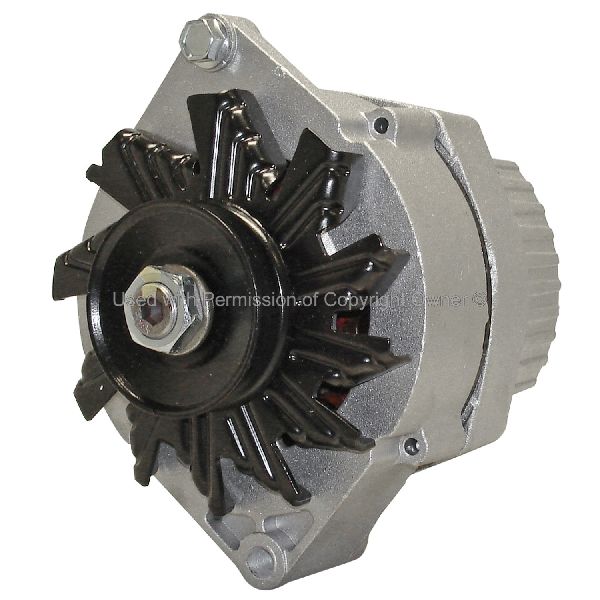
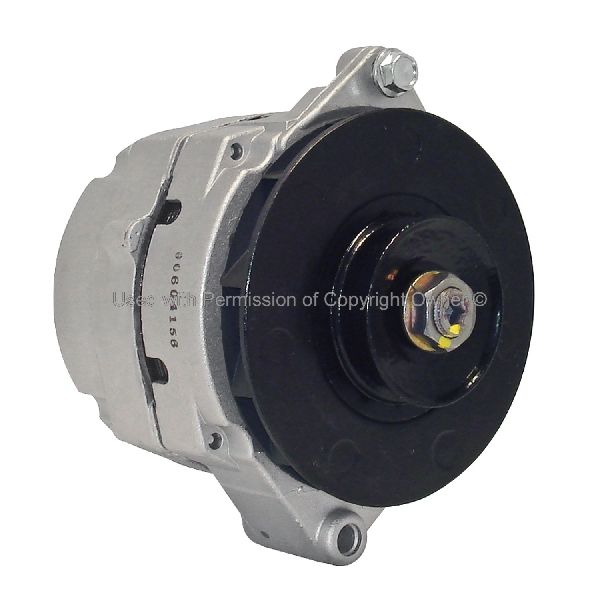
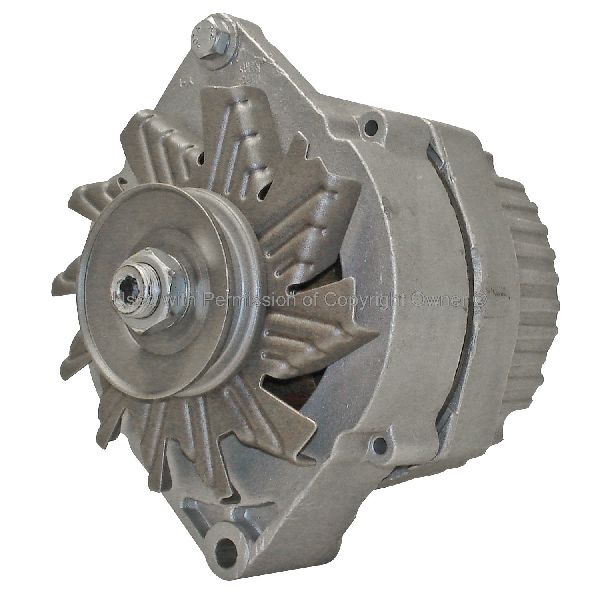
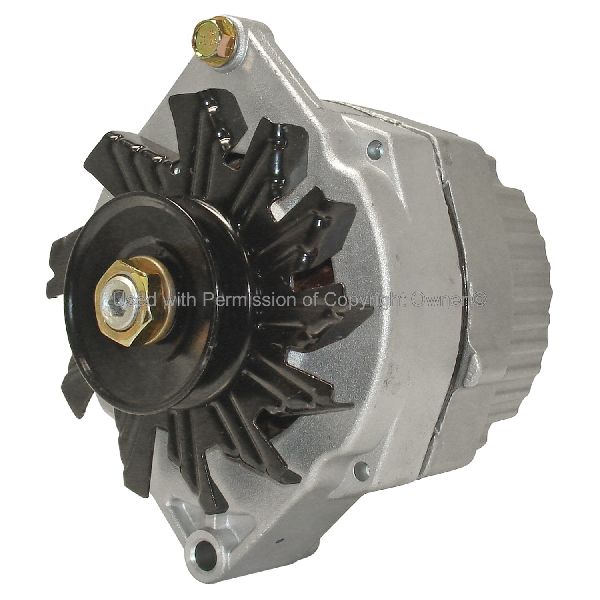
For a vehicle from this era, new aftermarket alternators offer a great balance of performance and value. Original Equipment (OEM) parts are likely discontinued, and a used part is a gamble. Aftermarket brands provide new components and often come with warranties.
Key Considerations: Amperage and Wiring
The most important decision is choosing the right amperage (amps). The original alternators, typically Delco-Remy 10SI models, had outputs around 63 amps. This was enough for the factory equipment. However, if you've added accessories like high-powered stereos, electric cooling fans, or off-road lighting, you need a higher output alternator to keep up.
- Stock or Near-Stock Trucks: A standard replacement with 63 to 100 amps is usually sufficient.
- Modified Trucks: If you have significant electrical upgrades, consider a high-output alternator with 125 amps or more. Brands like Powermaster specialize in these units. When upgrading to a higher amperage, you should also upgrade the main charge wire from the alternator to the battery to handle the extra power safely.
Pro Tip: Many owners of these trucks upgrade from the original 10SI alternator to a later style like a 12SI or CS144. These are often direct or near-direct bolt-in replacements and offer higher amperage output at idle and cruising speeds.
Aftermarket Brand Tiers
The brands available offer a range of quality and price points.
- Premium/Performance: Bosch and Powermaster are generally considered higher-tier brands. Bosch is a long-standing OEM supplier known for quality electronics. Powermaster focuses on high-output and performance applications, often made in the USA.
- Standard Replacement: Remy (tracing its roots to the original Delco-Remy), WAI Global, and MPA (Motorcar Parts of America) are solid choices for a standard replacement. They offer new units that meet or exceed original specifications. WAI often includes a performance test sheet in the box.
- Economy: Brands like BBB Industries often focus on remanufactured units, but their new parts provide a budget-friendly option for getting your truck back on the road.
Estimated Replacement Costs
The cost to replace the alternator on your C2500 Suburban will vary based on the part you choose and whether you do the work yourself.
| Item | Estimated Cost |
|---|---|
| New Aftermarket Alternator | $47 - $263 |
| Shop Labor | $100 - $200 |
| Total Estimated Cost | $147 - $463 |
Frequently Asked Questions
Is replacing the alternator a good DIY job?
Yes, for most owners with basic hand tools. The alternator on these trucks is typically easy to access at the top of the engine. The process involves disconnecting the battery, loosening the drive belt, removing a few bolts and electrical connectors, and then swapping the part. It's a great project for a beginner mechanic.
What's the difference between a one-wire and a three-wire alternator?
A one-wire alternator is a simplified design popular for custom builds, requiring only the main battery wire to be connected. A three-wire setup is the factory style, which includes extra wires for the dashboard warning light and voltage sensing. While one-wire is simpler to install, the factory three-wire system often provides more reliable charging activation at low engine speeds.
Do I need a new belt when I replace my alternator?
It's a good idea to inspect your V-belt (or serpentine belt on later models) when replacing the alternator. If it's cracked, glazed, or worn, you should replace it at the same time to ensure the new alternator spins correctly and doesn't squeal.
Are there any recalls on the alternator for this truck?
No specific alternator recalls were found for the 1979-1987 GMC C2500 Suburban after checking the National Highway Traffic Safety Administration (NHTSA) database. Any issues would be related to general wear and tear over the vehicle's long life.
Technical Specifications
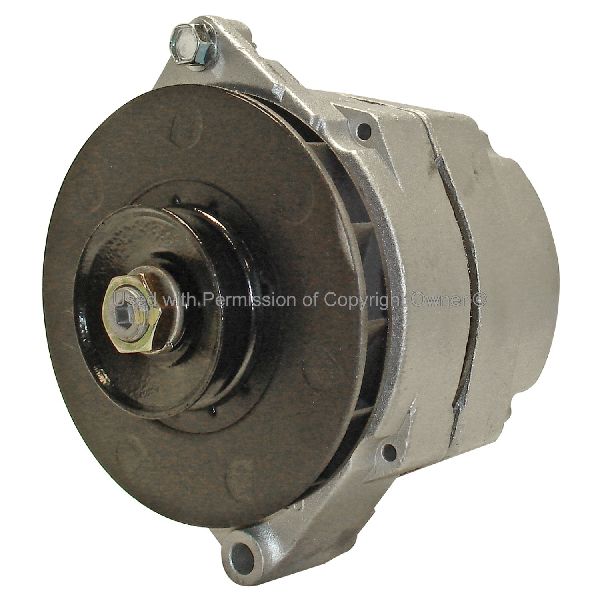
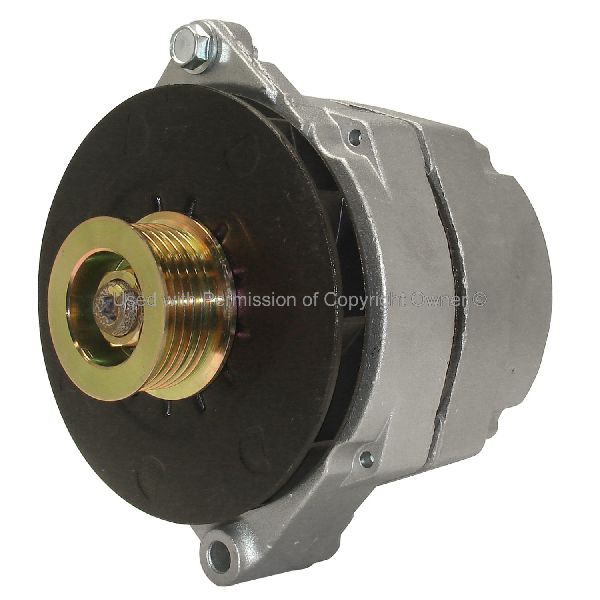
Original alternators were typically Delco-Remy 10SI or 12SI models with external or internal voltage regulators, depending on the year. Standard output was approximately 63 amps. V-belt pulleys are common, but check your specific application. Upgrades to higher-amperage CS-style alternators are a popular modification.
We Have This Part in Stock

The information in this article is provided for general reference and educational purposes only. Vehicle specifications, procedures, and part compatibility can vary by production date, trim level, and region. Always consult your vehicle's factory service manual and verify part numbers before purchasing or performing repairs. Safety-critical components such as airbags, seat belts, and braking systems should be installed by a qualified professional.