

Accessory Drive Belt Guide for the 1979-1987 GMC C3500
Keep your classic GMC running strong by understanding its V-belt system and choosing the right replacement parts.
- Your truck uses multiple V-belts, not a single serpentine belt; identify the correct belt for the specific accessory you are servicing.
- Squealing noises and visible cracks are the most common signs of a failing belt that require attention.
- Quality aftermarket brands like Gates, Continental, and Dayco are reliable and cost-effective choices for this vehicle.
- If the belt driving the water pump and alternator fails, you must stop driving immediately to prevent engine damage.
Understanding Your Truck's V-Belt System
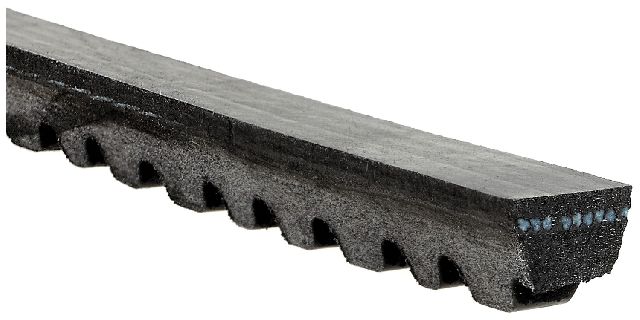
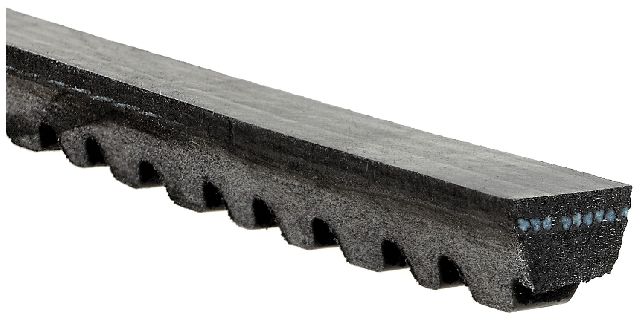
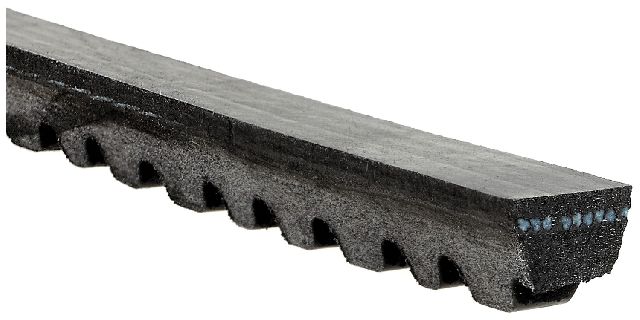
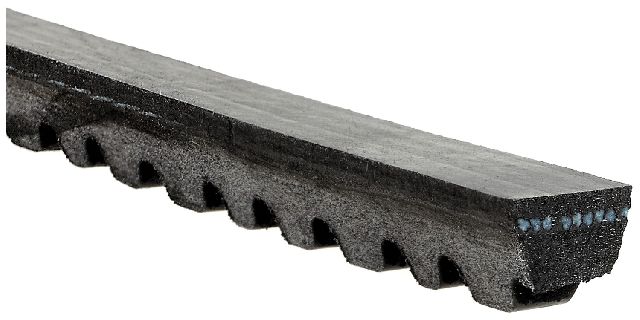
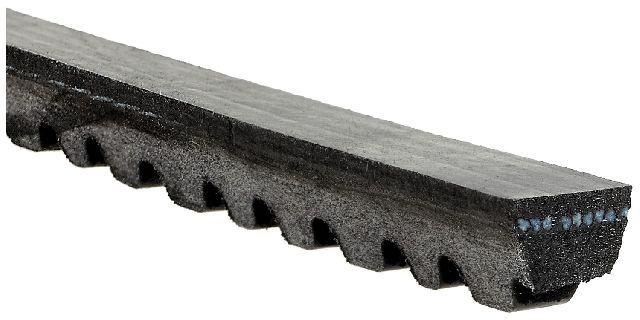
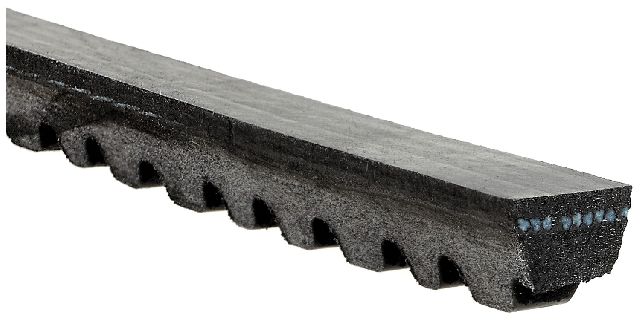
Your 1979-1987 GMC C3500 doesn't have just one accessory drive belt; it has several. This is a key difference from newer vehicles. Depending on your engine and options (like A/C), you could have two, three, or even four separate V-belts. Each belt runs in a V-shaped groove on the pulleys. 🎬 Watch: See a demonstration of belts and pulleys on a Chevy 350. This design increases the belt's grip as the engine's load increases. When one belt wears out, it's a good idea to inspect all of them, as they likely have similar wear and tear.
Signs of a Failing Accessory Drive Belt
A failing V-belt will usually give you a few warning signs before it breaks completely. Ignoring them can leave you stranded.
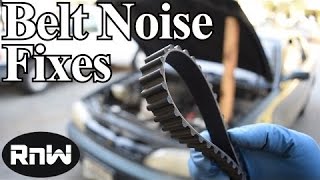
- Squealing or Chirping Noises: This is the most common symptom. A high-pitched squeal, especially when starting the engine or accelerating, often means a belt is loose or slipping. 🎬 Learn how to diagnose and fix common belt squealing noises.
- Visible Damage: Look at the belts themselves. Cracks, fraying, glazing (a shiny, smooth surface), or missing pieces are clear signs the belt needs immediate replacement.
- Accessory Malfunctions: If your power steering feels heavy, the battery warning light comes on, or the engine temperature starts to climb, it could be due to a belt failing to power the corresponding accessory. A broken belt means the alternator won't charge the battery and the water pump won't circulate coolant.
- Belt Turnover: In some cases, a worn belt or misaligned pulley can cause the belt to flip over in its groove.
Don't Ignore a Broken Belt
If a key belt like the one for the water pump and alternator breaks, you cannot drive the truck. The engine will quickly overheat, and the battery will not charge, causing the vehicle to shut down. If only the A/C belt breaks, you can still drive, but you won't have air conditioning.
Choosing the Right Aftermarket V-Belt
For a vehicle from this era, high-quality aftermarket belts are an excellent choice and are often more readily available than OEM parts. Brands like Gates, Continental, and Dayco are well-regarded by mechanics and classic truck owners. Bando is also a quality brand, often serving as an original equipment manufacturer for many Japanese vehicles, and their aftermarket belts are considered reliable.
- Top Tier (Excellent Quality): Gates and Continental are frequently cited as top-tier brands known for durability and performance. Many professional mechanics prefer Gates. NAPA-branded belts are often made by Gates.
- Solid Mid-Grade (Good Quality): Dayco is a reputable brand that offers a good balance of performance and price. Some users have had long-term success with Dayco belts.
- Reliable Value (Good Quality): Bando provides reliable belts and is a trusted OEM supplier. They are a good option that often comes at a budget-friendly price.
Common Ordering Mistake
The biggest mistake is ordering the wrong belt. Your truck has multiple belts for different accessories (e.g., Fan and Alternator, Power Steering, A/C). Always confirm which specific belt you are replacing and verify its part number or length. Check the compatibility notes for your specific engine and options before purchasing.
| Item | Estimated Cost |
|---|---|
| New Aftermarket V-Belt (Single) | $2.60 - $40.28 |
| Shop Labor (Per Belt) | $50 - $100 |
Frequently Asked Questions
How do I know which belt to buy for my truck?
You need to identify which accessory the belt drives (e.g., alternator, power steering). The best method is to find the part number on the old belt. If it's unreadable, you may need to measure its length and width or consult a detailed parts diagram for your truck's specific engine and options.
Can I replace the accessory drive belts myself?
Yes, this is a very DIY-friendly job on these trucks. The process involves loosening the bolts on the accessory (like the alternator), removing the old belt, fitting the new one, and then tensioning the belt by prying the accessory back before tightening the bolts. There should be about a half-inch of play in the belt 🎬 Watch this walkthrough on replacing V-belts on older model vehicles. when properly tensioned.
Should I replace all the belts at once?
It is highly recommended. If one belt has failed due to age and wear, the others are likely in similar condition. Replacing them all at once saves you from future breakdowns and having to do the job multiple times.
Are there any recalls for the accessory drive belts on this truck?
No, a search of the National Highway Traffic Safety Administration (NHTSA) database did not find any recalls related to the accessory drive belts for the 1979-1987 GMC C3500. Technical Service Bulletins (TSBs) found were for much newer models and different issues.
Helpful Videos

Technical Specifications
OEM Part Numbers: 3891354 3891371 2439806 2439813
System uses multiple V-belts. Belt type and length vary based on engine size (e.g., 4.1L, 4.8L, 5.7L, 7.4L) and accessories installed (e.g., with or without A/C). Belts are typically designated by their function, such as 'Fan and Alternator' or 'Power Steering'.
We Have This Part in Stock

The information in this article is provided for general reference and educational purposes only. Vehicle specifications, procedures, and part compatibility can vary by production date, trim level, and region. Always consult your vehicle's factory service manual and verify part numbers before purchasing or performing repairs. Safety-critical components such as airbags, seat belts, and braking systems should be installed by a qualified professional.