

Choosing the Right Front Disc Brake Caliper for Your 1979-1987 GMC C3500
Solve common brake problems like pulling, dragging, and a spongy pedal by choosing the right replacement calipers for your classic one-ton truck.
- The most common failure is a sticking or seized caliper due to age and rust, causing brake drag and pulling.
- Always replace front calipers in pairs to ensure safe, balanced braking.
- It is highly recommended to replace the flexible rubber brake hoses at the same time as the calipers to prevent future problems.
- You MUST verify your truck's front rotor thickness (1.00" or 1.25") before ordering, as the calipers are different for each.
Is Your C3500's Brake Caliper Failing?
The cast iron calipers on these classic GMC trucks are tough, but they don't last forever. Due to their age, the most common issues are not from manufacturing defects but from simple wear and tear. Rust and contaminated brake fluid are the biggest enemies of your brake calipers.
A sticking caliper is the most frequent problem. This happens when the caliper piston or the slide pins get corroded and can no longer move freely. A stuck caliper can cause the brake on one side to drag constantly.
Common Symptoms of a Bad Caliper
- Pulling to One Side: When you brake, the truck may pull sharply to the left or right. This can indicate one caliper is working harder than the other, or one is stuck.
- Burning Smell: A dragging brake caused by a seized caliper will generate extreme heat, often producing a strong burning smell from the affected wheel after a drive.
- Spongy or Soft Brake Pedal: If the caliper's piston seals are worn out and leaking brake fluid, you may notice a soft pedal that goes closer to the floor. You might also see fluid leaks around the wheel.
- Uneven Brake Pad Wear: When inspecting your brakes, if the inner pad is much more worn than the outer pad, it's a classic sign that the caliper slide pins are seized.
Critical Ordering Mistake: Know Your Rotor Thickness
The 1979-1987 GM heavy-duty trucks were built with two different front rotor thicknesses: 1.00-inch and 1.25-inch. The brake calipers for these two rotor sizes are different and are not interchangeable. Before ordering, you must confirm which rotors are on your truck. If you are unsure, measure the thickness of your current brake rotor.
Choosing the Right Aftermarket Caliper
For a vehicle of this age, finding new OEM calipers is unlikely. The market consists of new aftermarket parts and remanufactured aftermarket parts. Both are good options, but have key differences.
| Caliper Type | Description | Pros | Cons |
|---|---|---|---|
| New Aftermarket | These are 100% new castings with all new components. Brands like Dynamic Friction specialize in these. | No core charge required. Consistent quality with no worry about the history of the part. Often come with a rust-resistant coating. | Can sometimes be slightly more expensive than remanufactured options. |
| Remanufactured | These are original OEM caliper cores that have been disassembled, cleaned, inspected, and rebuilt with new seals, boots, and pistons. Brands like Cardone, BBB Industries, and some lines from ACDelco and Centric fall in this category. | Often the most budget-friendly option. Reuses the original, durable OEM casting. | Requires a "core charge," a deposit you get back after sending in your old caliper. Quality can vary depending on the rebuilder. |
Aftermarket Brand Tiers
- Premium (New & Reman): Brands like ACDelco (GM's original parts division), Centric, and Dynamic Friction are well-regarded. ACDelco is often the go-to for an OEM-quality fit. Dynamic Friction is a strong choice for new, coated calipers that resist rust.
- Standard (Mainly Reman): Cardone and BBB Industries are two of the largest remanufacturers in the industry. They offer a reliable, cost-effective solution and are a common choice for daily drivers and work trucks.
Pro Tip: Replace in Pairs and Change the Hoses
You should always replace calipers in pairs (both front wheels at the same time). Replacing only one can cause dangerously unbalanced braking. Furthermore, the flexible rubber brake hoses on these old trucks can collapse internally, trapping fluid and causing a new caliper to stick. It is highly recommended to replace the front brake hoses when you replace your calipers.
Frequently Asked Questions (FAQ)
Do these aftermarket calipers come with brake pads?
Almost always, no. Calipers are typically sold "unloaded," meaning they do not include brake pads. Some may be sold "semi-loaded," which includes new slide pins and hardware but no pads. Always check the product description to see what is included.
What is a "core charge"?
A core charge is a deposit you pay when buying a remanufactured part. You get this deposit back when you return your old, rebuildable caliper. New aftermarket calipers do not have a core charge.
Is replacing a caliper a difficult job for DIY?
For a DIY mechanic with the right tools (like a good socket set, breaker bar, and a brake bleeding kit), it is a manageable job. The process involves safely lifting the truck, removing the wheel, unbolting the old caliper and brake line, installing the new one, and bleeding the air out of the brake system. If you are not comfortable with the brake bleeding process, it's best to have a professional do the work.
Are there any recalls on my truck's calipers?
No. Searches on the National Highway Traffic Safety Administration (NHTSA) website show no specific recalls or technical service bulletins (TSBs) for brake calipers on the 1979-1987 GMC C3500. Any failures are due to the vehicle's age and normal wear. Recalls you may see for GM trucks are for much newer models with different brake systems.
Technical Specifications
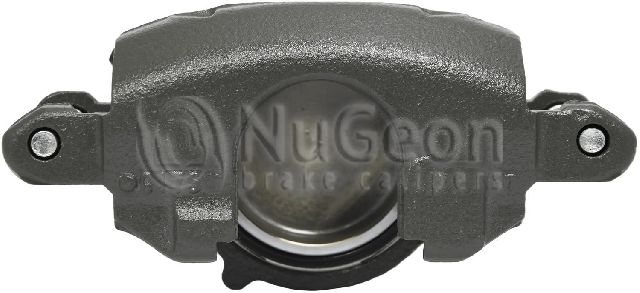
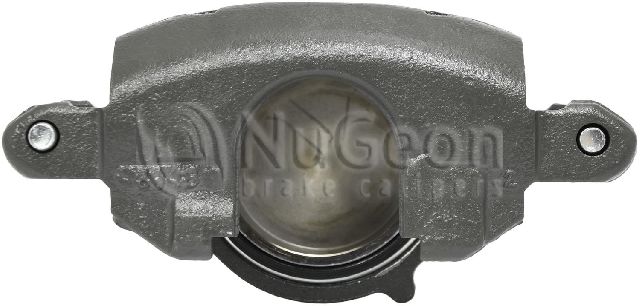
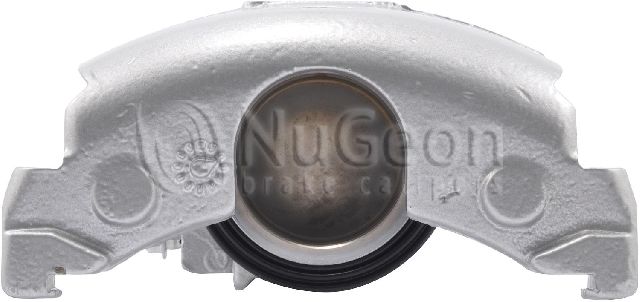
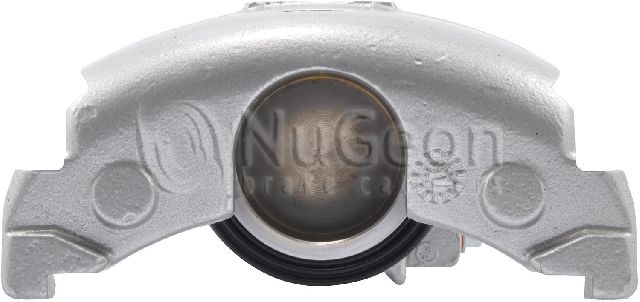
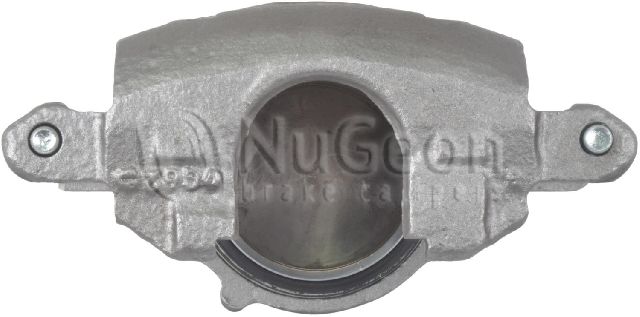
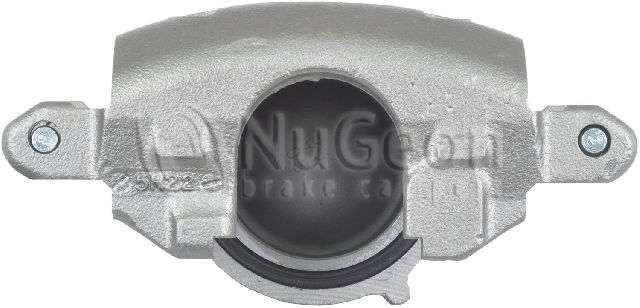
Piston Type: Single Piston Casting Material: Cast Iron Applicable Rotor Thickness: 1.00 inch or 1.25 inch (Varies by vehicle configuration)
We Have This Part in Stock

The information in this article is provided for general reference and educational purposes only. Vehicle specifications, procedures, and part compatibility can vary by production date, trim level, and region. Always consult your vehicle's factory service manual and verify part numbers before purchasing or performing repairs. Safety-critical components such as airbags, seat belts, and braking systems should be installed by a qualified professional.