

A Guide to Front Disc Brake Hardware for the 1979-1987 GMC C3500
Don't let worn-out hardware ruin your brake job; here's what your classic one-ton truck needs.
- Always replace the disc brake hardware kit when changing front brake pads to ensure safety and performance.
- Be prepared for seized Allen head guide pin bolts; they are a known issue on these trucks and often need to be replaced.
- Thoroughly clean all mounting surfaces and use high-temperature brake lubricant on slide pins and pad contact points to prevent noise and sticking.
- For this heavy-duty truck, spending a little more on a standard or premium brand like Centric, Raybestos, or Dynamic Friction is a worthwhile investment.
Why New Hardware is Essential for Your C3500
When you're replacing the brake pads or rotors on your 1979-1987 GMC C3500, it's easy to focus only on the big parts. However, the small clips, boots, and pins in the disc brake hardware kit are just as important for a safe and effective brake job. Over decades of use, heat, and exposure to road grime, this hardware corrodes and loses its tension. Reusing old hardware is a common mistake that leads to brake noise, premature pad wear, and calipers that don't work properly.
A Common Point of Failure
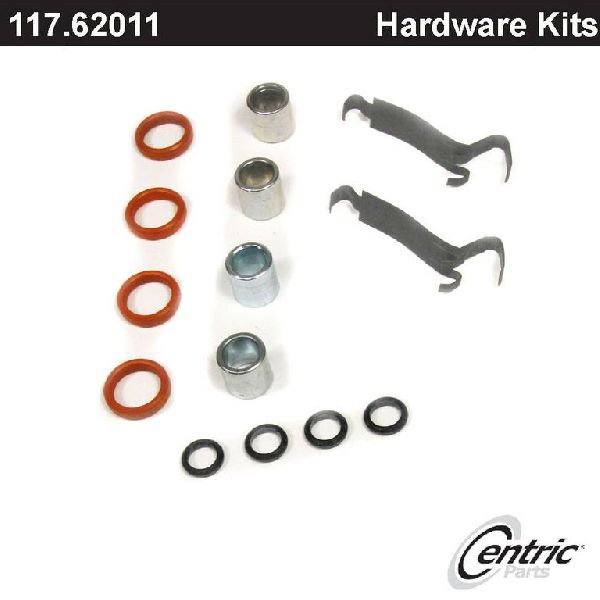
The single-piston front calipers on these "Square Body" trucks use two Allen head bolts that act as guide pins. These bolts are notorious for seizing with rust, making caliper removal difficult and often requiring replacement. Always plan to replace these components when servicing your brakes.
Symptoms of Failing Brake Hardware
Worn or missing brake hardware can cause problems that are often mistaken for bad pads or rotors. Knowing the signs can save you time and money.
- Brake Noise: Squealing, rattling, or scraping sounds are common. This happens when pads vibrate because the clips are no longer holding them securely.
- Uneven Pad Wear: If one pad is much more worn than the other, it's a classic sign of a sticking caliper, often caused by seized guide pins or corroded hardware.
- Pulling to One Side: When you brake, the truck may pull left or right. This indicates one brake is working harder than the other, which can be due to a caliper hanging up.
- Spongy or Soft Pedal: While often related to air in the brake lines, a sticking caliper can sometimes contribute to a poor pedal feel.
Choosing the Right Aftermarket Hardware
For a vehicle of this age, aftermarket parts are the primary option. OEM hardware is likely discontinued or very difficult to find. Fortunately, many aftermarket brands offer quality hardware kits. They can be grouped into general quality tiers.
Brand Quality Tiers
- Premium Aftermarket (Raybestos, Dynamic Friction): Brands like Raybestos have a strong reputation for quality brake components. Dynamic Friction is noted by some for using stainless steel parts, which offer better corrosion resistance than standard zinc-plated steel. These are excellent choices for a truck that is used for heavy hauling or driven regularly.
- Standard Aftermarket (Centric, Carlson, Dorman): These brands offer a great balance of quality and value. Centric and Carlson are part of the same parent company as Raybestos and are widely used by repair shops. Dorman is another readily available and reliable option. These kits are perfect for daily drivers and general use.
- Economy: While very inexpensive kits are available, they may use lower-quality materials that can rust faster and lose tension sooner. For a one-ton truck where braking is critical, it's wise to invest a few extra dollars in a standard or premium kit.
| Tier | Price Range | Notes |
|---|---|---|
| Premium (e.g., Dynamic Friction, Raybestos Professional Grade) | $15 - $63 | Often includes higher-grade materials like stainless steel and comprehensive components. |
| Standard (e.g., Centric, Carlson, Dorman) | $5 - $25 | The most common choice, offering reliable performance for most uses. |
| Economy | $1 - $10 | Basic kits that meet minimum requirements but may have a shorter service life. |
Pro Tip: Clean and Lubricate
During installation, thoroughly clean the areas on the caliper and bracket where the hardware clips sit. Use a wire brush to remove all rust and scale. Apply a thin layer of high-temperature brake grease to the caliper slide pins and the back of the brake pads to prevent noise and ensure smooth operation.
Frequently Asked Questions (FAQ)
Do I really need to replace the hardware with every brake job?
Yes, it is highly recommended. The hardware is a "wear item" just like the pads. The clips lose tension from heat cycles, and the rubber boots for the guide pins can tear, allowing moisture and dirt to cause seizing. For the low cost, it is cheap insurance for a proper brake job.
My new brakes are squeaking. Could it be the hardware?
It's possible. If the hardware clips are not holding the pads snugly, they can vibrate and cause noise. Squeaking after a brake job can also be caused by not cleaning and lubricating contact points or not properly bedding in the new pads.
What tools do I need to replace the brake hardware?
You will need a basic socket set, a large C-clamp to compress the caliper piston, a wire brush, and a 3/8-inch Allen wrench or socket for the caliper guide pin bolts. Due to the high likelihood of rust, a can of penetrating oil and possibly a breaker bar will be very helpful.
Are there any recalls for the brake hardware on my truck?
No, there are no active recalls or widespread Technical Service Bulletins (TSBs) from GMC or the NHTSA for the disc brake hardware on the 1979-1987 C3500. Any problems you encounter are typically due to the age and wear of the components.
Technical Specifications
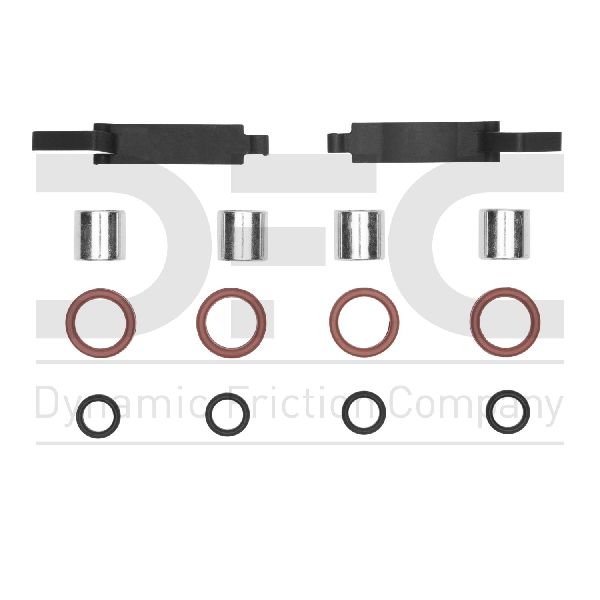
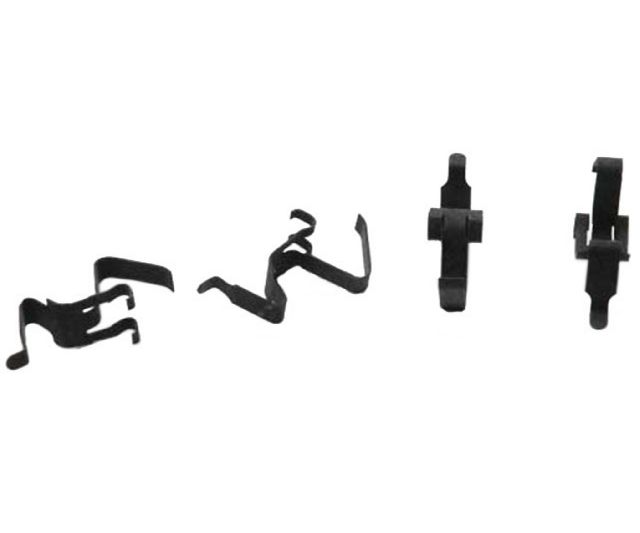
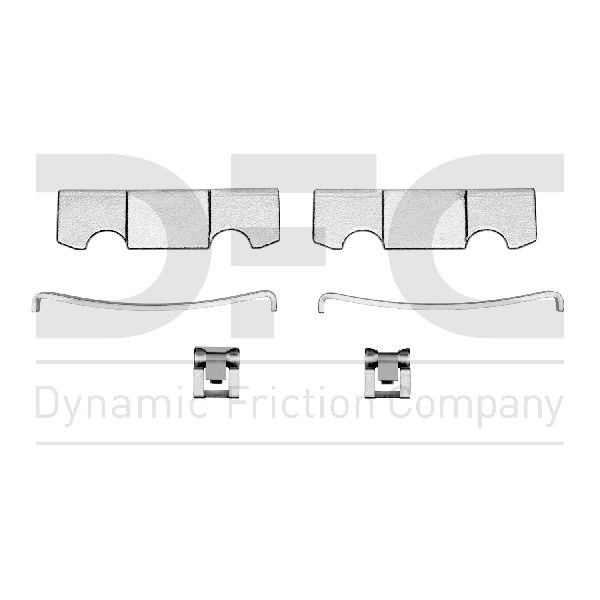
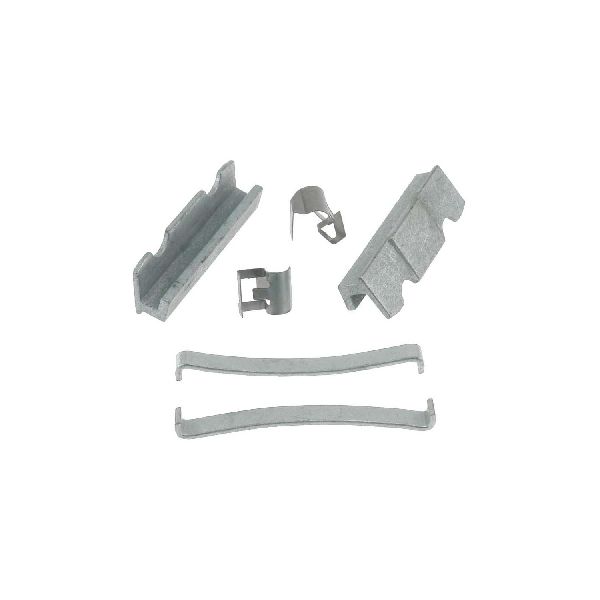
Kit typically includes anti-rattle clips, caliper guide pin boots, and tension springs. Specific kits may also include new guide pins.
We Have This Part in Stock

The information in this article is provided for general reference and educational purposes only. Vehicle specifications, procedures, and part compatibility can vary by production date, trim level, and region. Always consult your vehicle's factory service manual and verify part numbers before purchasing or performing repairs. Safety-critical components such as airbags, seat belts, and braking systems should be installed by a qualified professional.