

Choosing the Right Distributor for Your 1979-1987 GMC C3500
Everything you need to know before replacing the distributor on your classic GMC workhorse.
- A failing distributor can leave you stranded with a no-start condition, often caused by a heat-sensitive ignition module.
- Budget-friendly brands like Cardone and WAI offer a quick fix, but have reports of inconsistent quality and premature failure.
- Performance brands like MSD, FAST, and Edelbrock cost more but provide significantly better reliability and build quality.
- Proper installation is critical: you MUST set the ignition timing with a timing light after replacing the distributor.
Is Your Distributor Failing? Common Symptoms
A bad distributor can cause a range of problems, from annoying to leaving you stranded. Because it controls spark and timing, any failure directly impacts how your engine runs. Watch for these signs:
- Engine Won't Start: This is a classic symptom. The engine will crank over but won't fire up because there's no spark getting to the plugs.
- Stalling Engine: The truck may start and run fine, but then stall suddenly once it gets hot. After cooling down for a few minutes, it might start back up. This often points to a failing ignition control module inside the distributor.
- Rough Idle and Misfires: An unstable idle, shaking, or a sputtering sound can happen if the distributor isn't sending a consistent spark to every cylinder.
- Engine Backfiring: If timing is off due to a worn distributor, fuel can ignite at the wrong time, causing a loud bang from the exhaust or intake.
- Loss of Power: Your truck may feel sluggish and hesitate during acceleration if the ignition timing isn't advancing correctly as engine speed increases.
Known Issues for This Generation
Searches for official recalls or Technical Service Bulletins (TSBs) from GM or the NHTSA specifically for the distributor on the 1979-1987 GMC C3500 did not yield any results. However, owner forums are filled with discussions about a very common problem: repeat failure of the ignition control module (ICM). The ICM is a small electronic part inside the HEI distributor that is prone to failing from heat.
Choosing the Right Aftermarket Distributor
For a classic truck like the C3500, you won't find a "new" original GM distributor on a shelf. Your choice is between standard aftermarket replacements (which can be new or remanufactured) and performance upgrades.
Tier 1: Performance & High-Reliability Brands
Brands: MSD, FAST, Edelbrock
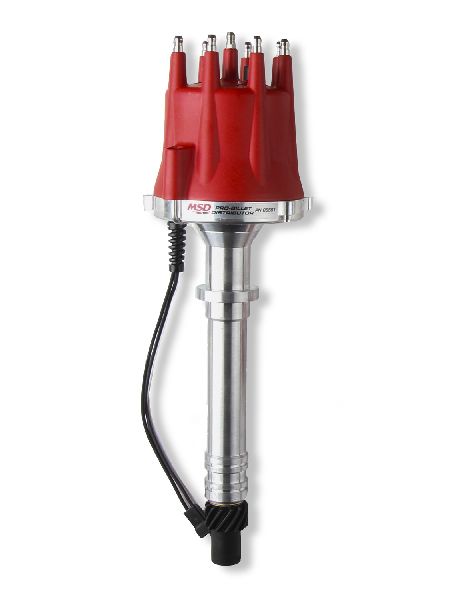
These brands are built for performance and durability. They often use higher quality materials, like billet aluminum housings and improved internal electronics, compared to stock-style parts. If your truck is a daily driver, used for heavy towing, or has engine modifications, investing in a distributor from one of these brands is a smart move. They are designed to provide a more stable and accurate spark, especially at higher RPMs. While they are the most expensive option, they generally offer better reliability and can prevent the recurring module failures common with cheaper units.
Tier 2: Standard Replacement Brands
Brands: Cardone, WAI Global
These brands offer a more budget-friendly solution. Cardone is well-known for remanufactured parts, where an original distributor core is rebuilt with new wear items. They also offer 100% new units. WAI Global only sells new distributors. The quality of these parts can be inconsistent. Some owners have good experiences, but many report premature failures, sometimes right out of the box. Often, the weak point is the included ignition module or pickup coil, which may be made from lower-quality components. A standard replacement can get your truck running, but it may be a gamble on long-term reliability.
Estimated Replacement Costs
The cost for a new aftermarket distributor can vary widely based on the brand and quality. The parts themselves range from under $100 to over $700.
| Part Type | Estimated Cost |
|---|---|
| New Aftermarket (Standard) | $99.46 - $250.00 |
| New Aftermarket (Performance) | $250.00 - $776.20 |
| Remanufactured Aftermarket | $99.00 - $200.00 |
| Shop Labor | $150 - $375 |
Frequently Asked Questions
Do I have to set the ignition timing after replacing the distributor?
Yes, absolutely. The distributor controls engine timing. After installing a new one, you must use a timing light to set the initial timing according to your engine's specifications. Incorrect timing can cause poor performance, bad fuel economy, and even engine damage.
What is an HEI distributor?
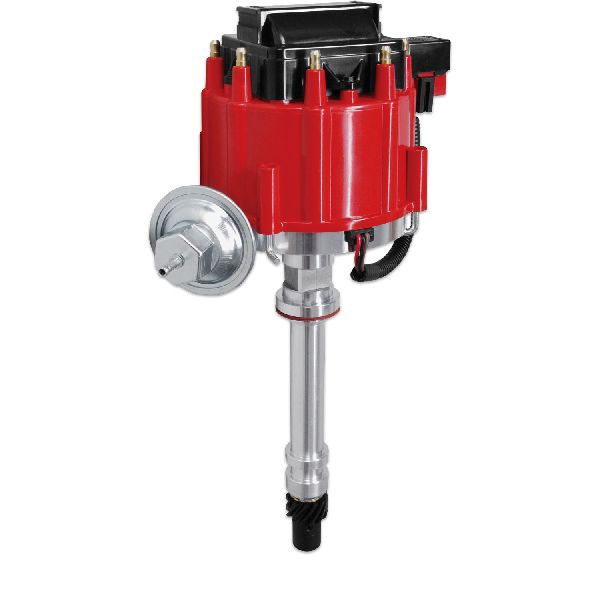
HEI stands for High Energy Ignition. It's an electronic ignition system developed by GM that combines the ignition coil, cap, and rotor into a single, compact unit. It produces a stronger spark than older points-style systems and is a common upgrade for classic vehicles. Your 1979-1987 C3500 likely came with one from the factory.
Can I just replace the bad part inside my distributor?
Sometimes. The most common failure points are the cap, rotor, and ignition module, which can all be purchased separately. If the shaft has excessive play or the pickup coil is bad, it's often easier and more effective to replace the entire distributor assembly. Given the low cost of a complete standard replacement, many owners choose to replace the whole unit to avoid future issues.
What's the real difference between a $100 and a $500 distributor?
The difference comes down to materials, build quality, and component reliability. A $500 distributor from a brand like MSD or FAST will typically have a CNC-machined billet aluminum body, a sealed ball bearing for shaft stability, and high-quality electronic components designed to withstand heat and high RPMs. A $100 distributor often uses a cast aluminum housing and may include lower-grade electronics that are more prone to premature failure.
Technical Specifications
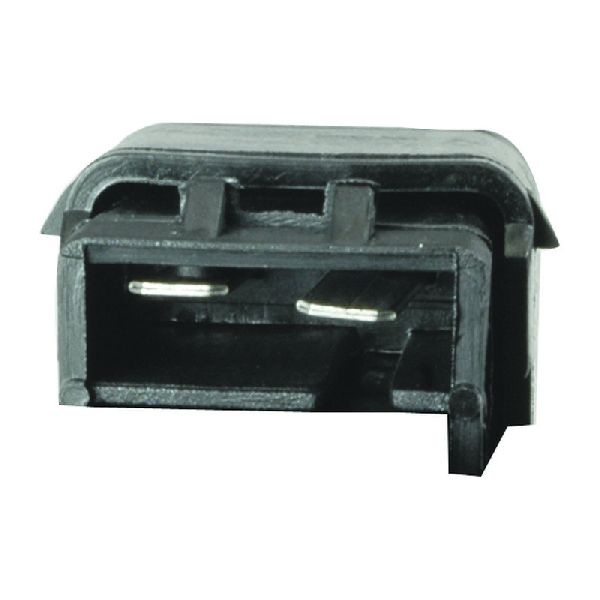
The most common distributor for this vehicle is a General Motors High Energy Ignition (HEI) type with an integrated coil-in-cap design. It uses a single 12-volt power wire. The distributor gear must be compatible with the engine's camshaft (typically steel for factory roller cams and iron for flat-tappet cams).
We Have This Part in Stock

The information in this article is provided for general reference and educational purposes only. Vehicle specifications, procedures, and part compatibility can vary by production date, trim level, and region. Always consult your vehicle's factory service manual and verify part numbers before purchasing or performing repairs. Safety-critical components such as airbags, seat belts, and braking systems should be installed by a qualified professional.