

Distributor Cap Replacement Guide for the 1979-1987 GMC C3500
Keep your classic GMC truck running strong by learning to spot a bad distributor cap and choosing the right replacement.
- A failing distributor cap will cause misfires, rough running, hard starting, and stalling.
- Always replace the distributor rotor at the same time as the cap for a complete repair.
- Moisture inside the cap is a very common problem; inspect for cracks and ensure a tight fit.
- Carefully transfer spark plug wires one by one to the new cap to maintain the correct firing order.
Symptoms of a Failing Distributor Cap
A distributor cap is a wear-and-tear item. The high voltage it handles eventually causes the metal terminals inside to corrode or wear down. Cracks can also form in the plastic housing, allowing moisture to get inside, which is a common problem on these trucks. When the cap starts to fail, your truck will let you know. Look for these common signs:
- Engine Misfires or Rough Idle: Worn terminals or cracks can prevent a strong spark from reaching the spark plugs, causing the engine to run rough, shake, or hesitate.
- Hard Starting or No Start: A bad cap can lead to a weak or non-existent spark, making the engine difficult to start, especially when cold. In severe cases, the engine will crank but won't start at all.
- Stalling: If the spark is inconsistent, your engine might stall unexpectedly, sometimes while you're driving or idling at a stop light.
- Squealing or Clicking Noises: A high-pitched squeal can sometimes be caused by a dirty or clogged cap, while clicking sounds might indicate the spark is arcing inside a cracked cap.
Check for Moisture
On these older GM trucks, moisture buildup inside the distributor cap is a frequent cause of ignition problems. If you're experiencing a rough idle or a no-start condition, especially in damp weather, inspect the inside of the cap for water droplets or a white, chalky residue on the terminals.
Choosing the Right Aftermarket Distributor Cap
For a 1979-1987 GMC C3500, original AC Delco parts can be difficult to find. The good news is that many aftermarket brands offer high-quality replacements that often meet or exceed the original specifications. The key difference between brands often comes down to the materials used for the electrical contacts (terminals) and the quality of the plastic housing.
Brand Quality Tiers
When shopping for a new cap, consider these brand tiers:
- Performance (MSD): MSD is a well-known performance brand. Their caps are built with high-quality materials designed to handle the higher energy from upgraded ignition systems. While it might be overkill for a stock engine, an MSD cap is a durable, top-tier choice for reliability and performance applications.
- Premium Aftermarket (Standard Ignition): Brands like Standard Ignition (SMP) are highly regarded in the aftermarket and are often considered OE-equivalent. They frequently use brass terminals, which offer better conductivity and corrosion resistance than the aluminum terminals found on some budget parts. This is a reliable choice for a daily driver or work truck.
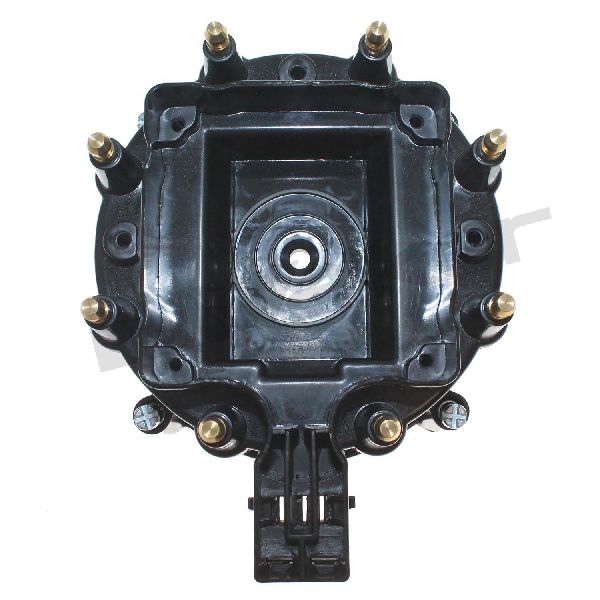
- Standard Aftermarket (Walker Products): Walker Products offers a solid, dependable replacement part that is often more budget-friendly. They are designed as direct OE replacements and use quality materials to ensure proper function and fit. This is a good option for a standard tune-up or repair.
Always Replace the Rotor
The distributor rotor spins inside the cap and is subjected to the same electrical wear. It's a critical part of the system and is inexpensive to replace. For a complete and lasting repair, you should always replace the rotor at the same time as the cap.
Distributor Cap Replacement Cost
Replacing the distributor cap on a 1979-1987 C3500 is an affordable and straightforward job. The parts are not expensive, and labor is minimal for a professional mechanic.
| Part or Service | Estimated Cost |
|---|---|
| New Aftermarket Distributor Cap | $20 - $32 |
| Shop Labor | $50 - $100 |
| Total Estimated Cost | $70 - $132 |
Note: Costs are estimates and can vary based on your location and the specific parts chosen. This table does not include the cost of a new distributor rotor, which is highly recommended.
Frequently Asked Questions
Can I replace the distributor cap myself?
Yes, this is a very DIY-friendly job. The distributor is typically easy to access on these trucks. The process involves removing two screws or clips, carefully swapping the spark plug wires from the old cap to the new one, and securing the new cap. The most important step is to transfer the wires one by one to ensure they remain in the correct firing order.
What is the difference between a cap with male (HEI) and female terminals?
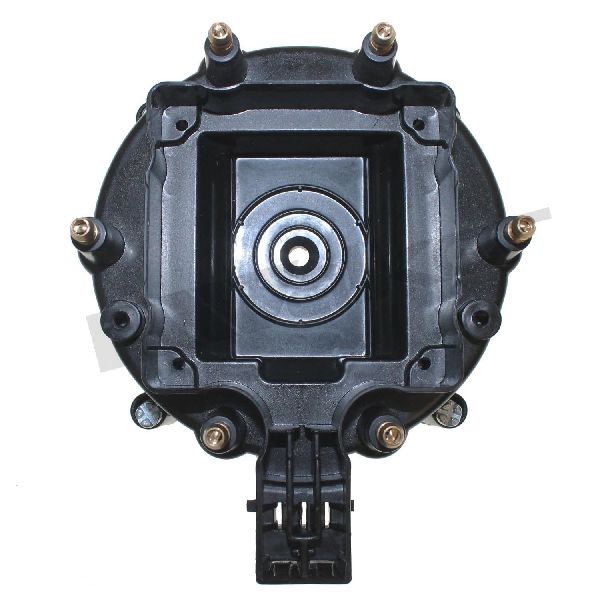
Your GMC C3500 likely has a High Energy Ignition (HEI) system, which uses a large cap with male terminals that the spark plug wires plug onto. Older, non-HEI systems used smaller caps with female sockets for the wires. Be sure to buy the correct HEI-style cap for your truck.
Are there any recalls for the distributor cap on my truck?
Searches of the National Highway Traffic Safety Administration (NHTSA) database did not show any open recalls or technical service bulletins (TSBs) for the distributor cap specifically for the 1979-1987 GMC C3500 model years. Any recalls found are for much newer vehicles.
What's the most common mistake when replacing a distributor cap?
The most common mistake is mixing up the spark plug wires. The engine's cylinders must fire in a specific sequence. If the wires are not put back on the new cap in the exact same order, the engine will not run or will run very poorly. To avoid this, label your wires with tape before removing them or transfer them one at a time.
Technical Specifications
HEI (High Energy Ignition) Style, 8-Cylinder, Male Terminals
We Have This Part in Stock


The information in this article is provided for general reference and educational purposes only. Vehicle specifications, procedures, and part compatibility can vary by production date, trim level, and region. Always consult your vehicle's factory service manual and verify part numbers before purchasing or performing repairs. Safety-critical components such as airbags, seat belts, and braking systems should be installed by a qualified professional.