

Electric Fuel Pump: 1979-1987 GMC C3500 Essential Facts
Keep your classic GMC one-ton running strong by understanding its fuel pump needs, whether it's carbureted or fuel-injected.
- First, confirm if your truck has a carbureted engine or Throttle Body Injection (TBI) to determine the correct pump type.
- Carbureted engines require a low-pressure (4-7 PSI) external pump, while TBI engines need a higher-pressure in-tank pump.
- Converting a carbureted truck to an electric pump is a common upgrade to improve starting and reliability.
- Symptoms like engine sputtering, power loss, and a whining noise from the tank are clear signs of a failing fuel pump.
Is Your Fuel Pump Failing?
A bad fuel pump can leave you stranded. Watch for these common symptoms in your GMC C3500. If the pump fails completely, your truck won't start at all. Catching the signs early can save you a headache.
Common Failure Symptoms
- Engine Cranks but Won't Start: The starter turns the engine over, but it never fires up because there's no fuel.
- Sputtering at High Speeds: The truck may hesitate or sputter when you're on the highway, as the weak pump can't keep up with the engine's demand for fuel.
- Loss of Power: You might notice the truck feels sluggish when accelerating, climbing hills, or towing.
- Engine Stalling: The engine may stall unexpectedly, especially when it's hot, due to inconsistent fuel delivery.
- Whining Noise from Fuel Tank: A loud humming or whining sound from the fuel tank area is a classic sign of a pump working too hard and about to fail.
Choosing the Right Aftermarket Electric Fuel Pump
For a classic truck like the 1979-1987 C3500, new OEM parts from GM are generally not available. The aftermarket is your primary source for a new electric fuel pump. This is often a good thing, as modern aftermarket pumps can offer improved reliability.
When shopping, you have two main scenarios:
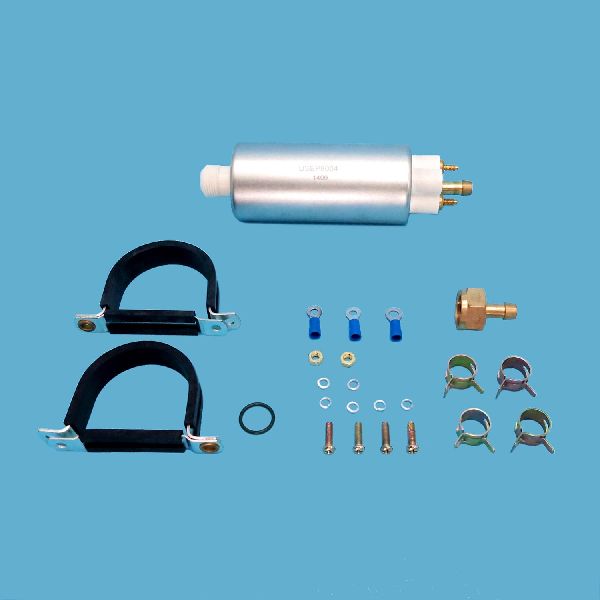
- Replacing a pump on a 1987 TBI truck: You'll need an in-tank electric pump designed to meet the pressure requirements of the factory fuel injection system.
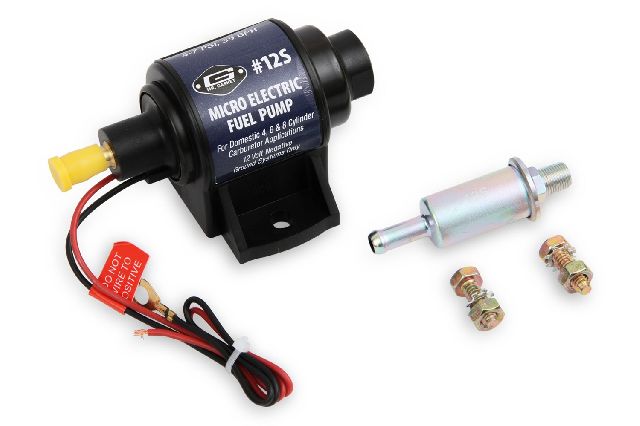
- Upgrading a carbureted truck (1979-1986): You'll be looking for a universal, externally mounted electric pump. These are often easier to install than in-tank pumps. They provide more consistent fuel pressure than the original mechanical pump, which can help with hard starting after the truck sits for a while.
Available Brands: Mr. Gasket vs. US Motor Works
Two common aftermarket brands you'll find are Mr. Gasket and US Motor Works.
- Mr. Gasket: Often associated with performance and hot-rodding, Mr. Gasket offers universal electric pumps that are a popular choice for converting from a mechanical setup. Reviews show they are easy to install and provide the correct pressure for carbureted engines. However, some users report that they can be noisy.
- US Motor Works: This brand is known for producing quality, OE-style replacement parts. Their pumps are praised for being quiet and reliable, offering a good balance of performance and value. They use durable materials designed to be compatible with modern fuel blends.
Pro Tip: Check Your Pressure Needs
For a carbureted engine, you need a low-pressure pump, typically in the 4-7 PSI range. For a TBI engine, you need a higher-pressure pump, usually around 10-13 PSI. Using a high-pressure pump on a carbureted engine without a pressure regulator will cause it to flood with fuel. Always match the pump to your engine's requirements.
Estimated Replacement Costs
Costs can vary based on who does the work and the type of pump (in-tank vs. external).
| Part Type | Estimated Cost |
|---|---|
| New Aftermarket (Mr. Gasket, US Motor Works) | $73.67 - $77.63 |
| Shop Labor (External Pump) | $100 - $250 |
| Shop Labor (In-Tank Pump) | $250 - $500 |
Frequently Asked Questions
Did my 1979-1987 C3500 come with an electric fuel pump?
Probably not. Most C3500s from 1979-1986 with carbureted engines came with a mechanical fuel pump mounted on the engine. Only in 1987, with the introduction of Throttle Body Injection (TBI), did electric fuel pumps become standard equipment.
Is it hard to replace the fuel pump myself?
It depends. Installing an external electric pump on the frame rail is a relatively straightforward job for a DIY mechanic and can take a couple of hours. Replacing an in-tank pump is more difficult because you have to drop the fuel tank to access it, which can take 4-6 hours and requires safely handling gasoline.
Do I need to buy anything else when replacing the pump?
It's always a good idea to replace your fuel filter at the same time. If you are converting from a mechanical to an electric pump, you will also need new fuel hoses, clamps, wiring, and potentially a fuel pressure regulator.
Are there any recalls for the fuel pump on these trucks?
No specific recalls were found for the fuel pumps on 1979-1987 GMC C3500 models. Searches on the NHTSA website show recalls for much newer models with different fuel system issues. Given the age of these vehicles, any original safety campaigns would be long expired.
Technical Specifications
Varies by application. Carbureted engines require a low-pressure pump (approx. 4-7 PSI). TBI fuel-injected engines require a higher-pressure pump (approx. 10-13 PSI).
We Have This Part in Stock

The information in this article is provided for general reference and educational purposes only. Vehicle specifications, procedures, and part compatibility can vary by production date, trim level, and region. Always consult your vehicle's factory service manual and verify part numbers before purchasing or performing repairs. Safety-critical components such as airbags, seat belts, and braking systems should be installed by a qualified professional.