

GMC C3500 Engine Coolant Bypass Hose Guide (1979-1987)
Keep your classic C3500 from overheating by understanding this small but critical cooling system hose.
- A failing bypass hose will cause coolant leaks and can lead to critical engine overheating.
- Symptoms include visible leaks, a sweet coolant smell, and a dropping coolant level.
- Always use a molded aftermarket hose from a quality brand like Gates, Continental, or Dayco; do not use a universal flexible hose.
- This is an easy and inexpensive DIY replacement that can prevent very costly engine damage.
Is Your C3500's Bypass Hose Failing?
A failing engine coolant bypass hose on these classic trucks is a common issue due to age. Rubber degrades over decades of heat cycles. Ignoring the signs can lead to serious engine damage from overheating. Look for these clear symptoms:
- Coolant Leaks: This is the most obvious sign. You might see puddles of green or orange fluid on the ground, or notice drips on the front of the engine, water pump, or intake manifold.
- Sweet Smell: A distinct, sweet, syrup-like odor from the engine bay is the smell of burning coolant. A small leak might produce this smell before you see a visible drip.
- Low Coolant Level: Are you constantly adding coolant to the radiator or overflow tank? A slow leak from a cracked bypass hose could be the cause.
- Steam from Engine: If leaking coolant hits hot engine parts, it will turn into white steam, which you may see rising from under the hood.
- Visible Hose Damage: Pop the hood and inspect the hose. Look for cracks, swelling, bulging, or soft, spongy spots. A healthy hose should feel firm.
Choosing the Right Aftermarket Hose
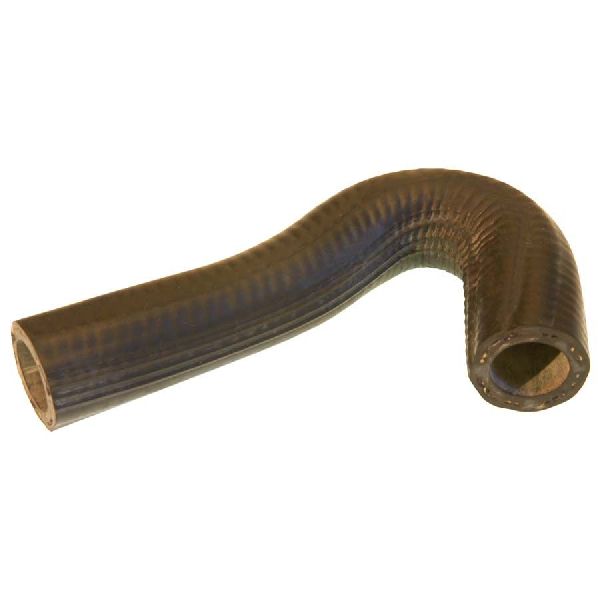
For a 1979-1987 GMC C3500, finding an original GM part is unlikely. Fortunately, top aftermarket brands produce high-quality replacements that meet or exceed original standards. The most important factor is choosing a molded hose designed for your truck's specific engine. Do not use a generic, flexible hose, as it can kink and restrict flow.
Here’s a breakdown of the available brands:
| Brand Tier | Brands | Quality & Value Assessment |
|---|---|---|
| Premium Aftermarket | Gates | Often considered a top choice in the aftermarket. Gates is known for good fitment and durable materials, and is a supplier for many original manufacturers. A reliable, high-quality option. |
| Quality Aftermarket | Continental, Dayco | Both are well-known, reputable brands that offer a solid balance of quality and price. Some mechanics have preferences, but either will provide reliable service for your truck. Dayco hoses are sometimes noted as being slightly thicker. |
A Note on OEM vs. Aftermarket
On a vehicle of this age, a quality aftermarket part from a brand like Gates, Continental, or Dayco is the standard and recommended repair. These parts are readily available and provide excellent performance. The original GM part, if found as New Old Stock (NOS), would likely be expensive and its rubber may have aged on the shelf.
Estimated Replacement Costs
The cost to replace the bypass hose is minimal, especially if you do it yourself. The part itself is inexpensive, and labor is straightforward.
| Item | Estimated Cost |
|---|---|
| New Aftermarket Bypass Hose | $23.06 - $96.86 |
| Shop Labor | $60 - $120 |
Pro Tip: Replace Your Clamps
While you're replacing the hose, it's a good idea to replace the old spring clamps as well. New worm-gear or spring-style clamps are cheap and provide better sealing, preventing future leaks.
Frequently Asked Questions (FAQ)
Can I replace the engine coolant bypass hose myself?
Yes, this is a very DIY-friendly job for most owners. It typically requires basic tools like pliers to remove the clamps and possibly a screwdriver. You will need to drain some coolant first. The most important step is to properly refill and "burp" the cooling system to remove any air pockets after you are done.
What happens if I don't replace a leaking bypass hose?
A small leak will eventually become a large one. A sudden hose failure will cause a rapid loss of coolant, leading to engine overheating. Overheating can cause severe and expensive engine damage, including warped cylinder heads or a cracked block.
Were there any recalls for the C3500 bypass hose?
No. A search of the National Highway Traffic Safety Administration (NHTSA) database shows no recalls or technical service bulletins (TSBs) for the engine coolant bypass hose on the 1979-1987 GMC C3500. Failures are due to normal wear and age.
Should I replace other cooling system parts at the same time?
If your bypass hose failed due to age, your other hoses (radiator hoses, heater hoses) are likely in similar condition. It is wise to inspect them all carefully for cracks, swelling, or softness. Replacing all cooling hoses at once is a great preventative measure that can save you from future breakdowns.
Technical Specifications
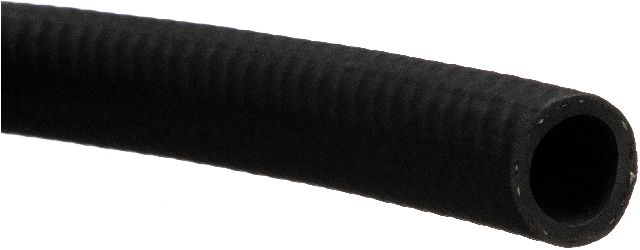
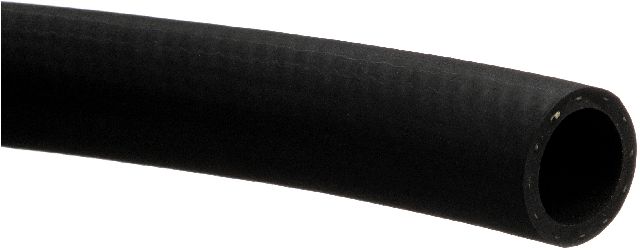
Varies by engine (e.g., 4.8L, 5.7L, 7.4L). Part is a molded rubber hose made from EPDM material, designed to resist high temperatures and coolant chemicals. Must be an exact fit for the specific application to prevent kinking.
We Have This Part in Stock

The information in this article is provided for general reference and educational purposes only. Vehicle specifications, procedures, and part compatibility can vary by production date, trim level, and region. Always consult your vehicle's factory service manual and verify part numbers before purchasing or performing repairs. Safety-critical components such as airbags, seat belts, and braking systems should be installed by a qualified professional.