

GMC C3500 (1979-1987) Engine Cooling Fan Clutch Replacement Guide
Keep your classic GMC C3500 running cool by understanding when and how to replace its engine cooling fan clutch.
- A failing fan clutch often causes overheating at idle or in traffic.
- For a C3500, especially for towing, a heavy-duty or severe-duty aftermarket clutch is the best choice.
- Test for failure by checking for a wobbly fan, oil leaks, or a fan that spins too freely when the engine is off.
- Aftermarket brands like Hayden and US Motor Works are reputable choices for these trucks.
Is Your Fan Clutch Failing? Common Symptoms
A bad fan clutch can cause problems ranging from annoying noises to serious engine damage. Here’s what to look and listen for on your C3500:
- Engine Overheating at Low Speeds: This is the most common sign. If your truck's temperature gauge climbs in traffic or while idling, but cools down once you're moving at highway speeds, the fan clutch is likely not engaging when it should.
- Loud, Roaring Engine Noise: If the fan clutch is seized or stuck in the 'on' position, it will cause a loud roaring sound that gets louder with engine RPM. This constant engagement robs your engine of power and hurts gas mileage.
- Fan Freewheels When Engine is Off: With the engine off and cool, try to spin the fan blade by hand. It should have some resistance and stop almost immediately. If it spins freely for more than a couple of rotations, the clutch has failed internally.
- Physical Looseness or Leaks: Grab the fan and try to wiggle it. There should be very little to no play. If it wobbles, the internal bearing is shot. Also, look for oily streaks radiating from the center of the clutch, which indicates a fluid leak.
Choosing the Right Aftermarket Fan Clutch
For a truck as old as a 1979-1987 C3500, new OEM parts from GM are likely discontinued or very hard to find. Fortunately, the aftermarket offers many good options. Your C3500 works hard, so choosing the right type of clutch is important.
Pro Tip: For a one-ton truck like the C3500, especially if you tow or haul, always choose a heavy-duty or severe-duty thermal clutch. These are designed to engage more aggressively to handle higher heat loads.
Aftermarket Brand Tiers
Based on owner experiences and general reputation, here’s a breakdown of the available brands:
- Good - Standard Replacement: GMB and Global Parts (GPD) are generally considered reliable, budget-friendly options that meet or exceed original specifications. They are a good choice for a daily driver that doesn't see extreme use.
- Better - Heavy-Duty Options: Hayden and US Motor Works are well-known brands with a strong presence. Hayden is credited with creating the duty-rating system (standard, heavy, severe) and is a popular choice for trucks. US Motor Works is also noted for good quality, with some users reporting positive experiences after having issues with other brands.
- Considered by Some: Four Seasons has a very large catalog, but some forum users have reported mixed experiences, with some advising to stay clear while others have had good luck. Your results may vary.
A Note on OEM vs. Aftermarket
While OEM is often the gold standard, for these older trucks, a quality aftermarket part from a reputable brand like Hayden or US Motor Works is a perfectly acceptable and often necessary choice. Some aftermarket clutches can be more aggressive (louder) than the original, but this often results in better cooling performance, which is a good trade-off for a hard-working truck.
Typical Replacement Costs
Replacing the fan clutch on a 1979-1987 C3500 is a straightforward job that most DIY mechanics can handle. The costs are reasonable compared to modern vehicles.
| Item | Estimated Cost |
|---|---|
| New Aftermarket Fan Clutch | $45 - $126 |
| Shop Labor | $100 - $200 |
| Total Professional Installation | $145 - $326 |
Cost estimates are for the part and labor only and do not include taxes, shop fees, or potential related repairs.
Frequently Asked Questions (FAQ)
How do I test my fan clutch?
With the engine cold and off, spin the fan by hand. It should feel stiff and not spin more than once. If it spins freely, it's bad. You can also check for wobble by grabbing the fan and trying to move it back and forth; any significant play means the bearing is worn. When the engine is hot and running, you should hear the fan engage with a noticeable roar, especially when the engine is revved.
Should I get a heavy-duty fan clutch for my C3500?
Yes. For a one-ton truck, especially if used for towing, hauling, or in hot climates, a heavy-duty or severe-duty clutch is highly recommended. It provides better cooling under load, protecting your engine. The stock clutch on diesel or A/C-equipped models was often a heavy-duty unit from the factory.
Can a bad fan clutch damage my engine?
Yes. A clutch that fails to engage will cause your engine to overheat, which can lead to catastrophic damage like warped cylinder heads or a blown head gasket. A seized clutch that is always engaged puts extra strain on the water pump bearing and robs the engine of power.
Is replacing the fan clutch a good DIY job?
Yes, for most people with basic tools. The process typically involves removing the fan shroud, then unbolting the clutch from the water pump pulley. On these older GM trucks, there is often enough room to work without removing the radiator. You will need wrenches (sometimes a large one for the main nut) and it helps to keep the drive belts on to provide tension when loosening bolts.
Technical Specifications
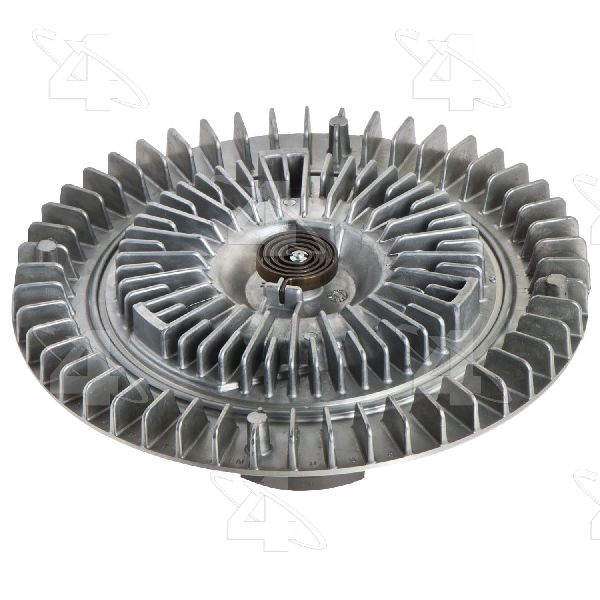
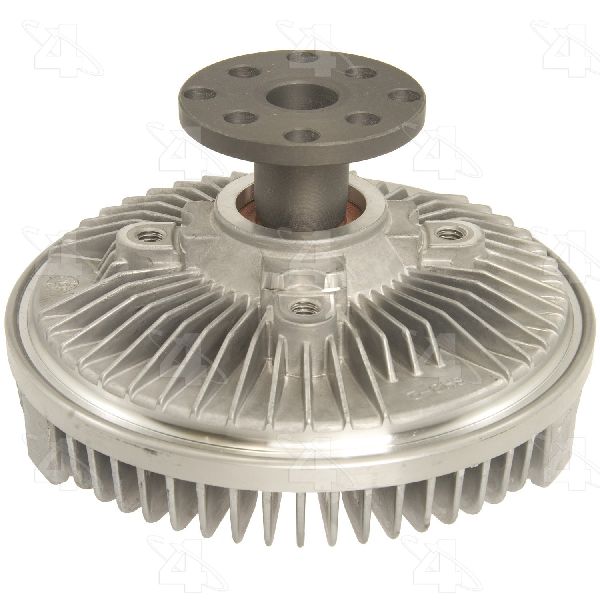
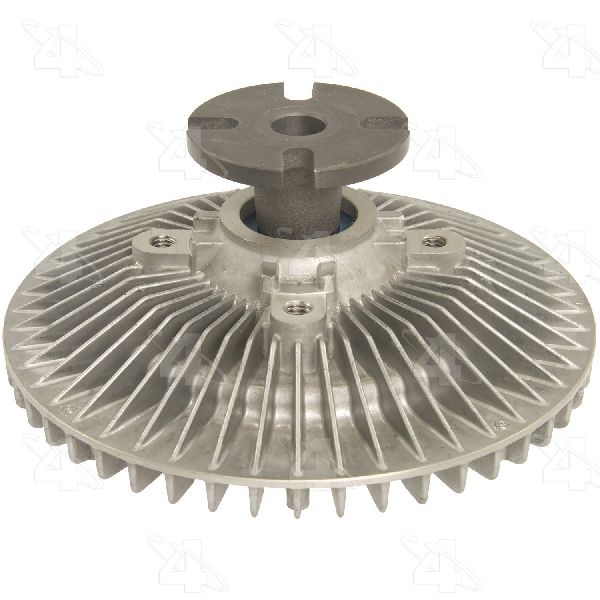
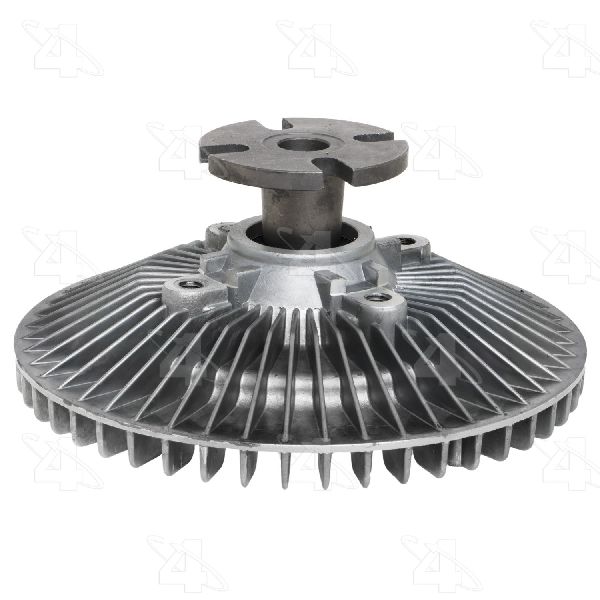
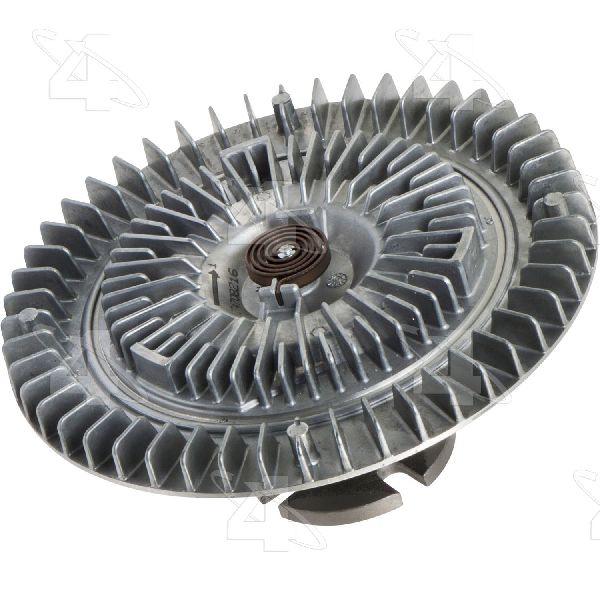
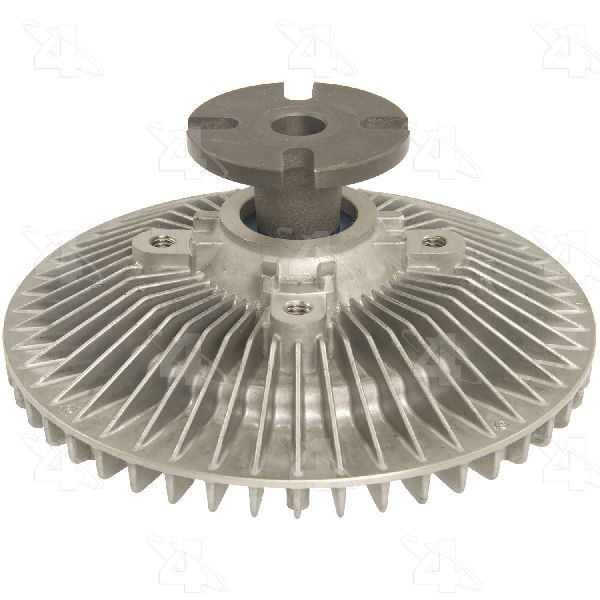
The fan clutch for the 1979-1987 GMC C3500 is a thermal, mechanical (non-electric) type. It mounts to the water pump, and the fan blade bolts to the clutch. Different versions exist (standard, heavy-duty, severe-duty) which vary in engagement temperature and force. Rotation is typically standard (clockwise). Ensure the bolt pattern matches your existing fan blade.
We Have This Part in Stock

The information in this article is provided for general reference and educational purposes only. Vehicle specifications, procedures, and part compatibility can vary by production date, trim level, and region. Always consult your vehicle's factory service manual and verify part numbers before purchasing or performing repairs. Safety-critical components such as airbags, seat belts, and braking systems should be installed by a qualified professional.