

Engine Water Pump Guide for the 1979-1987 GMC C3500
Keep your classic GMC C3500's engine cool by understanding water pump failure and choosing the right replacement.
- A coolant leak from the weep hole under the pump is a sure sign of failure and requires immediate replacement.
- Choose your aftermarket brand based on use: economy brands for light use, standard brands like GMB for reliability, and premium brands like Edelbrock for performance or heavy-duty applications.
- This is a good DIY project; ensure you get the correct 'short' or 'long' style pump and clean the engine block surface thoroughly before installing the new one.
- Always replace the thermostat and consider replacing radiator hoses and belts at the same time to save on future labor.
Is Your Water Pump Failing? Common Symptoms
A failing water pump on your 1979-1987 GMC C3500 will give you clear warning signs. Ignoring them can lead to catastrophic engine failure. Here’s what to look for:
- Coolant Leaks: This is the most common sign. You may see drips or puddles of green, orange, or pink fluid under the front-center of your truck. The leak often comes from a small opening called a "weep hole" located on the bottom of the pump. This hole is designed to let coolant escape when the internal seal fails.
- Engine Overheating: If your temperature gauge climbs into the red, the water pump may not be circulating coolant effectively. This could be due to a broken impeller or a complete seizure of the pump.
- Grinding or Whining Noise: A rough, grinding, or whining sound coming from the front of the engine can indicate that the bearings inside the water pump are worn out.
- Wobbly Pulley: If you can physically wiggle the fan or the pulley that the fan is attached to, the water pump's bearing assembly has failed. This is a critical failure, and the truck should not be driven.
No Recalls, But Known Issues
Searches of the National Highway Traffic Safety Administration (NHTSA) database show no open recalls or technical service bulletins (TSBs) for the engine water pump on the 1979-1987 GMC C3500. However, owners in forums report issues with corrosion causing pinholes in the pump's rear plate, which can be related to using the wrong type of coolant or having a clogged radiator.
Choosing the Right Aftermarket Water Pump
For a classic truck like the C3500, you have a wide range of aftermarket options. Original Equipment (OEM) parts are generally not available new. The quality of aftermarket pumps can vary significantly, so it's important to choose based on your needs and budget.
Brand Quality Tiers
Premium / Performance Brands ($150 - $280+):
- Edelbrock, Weiand, Proform, PRW: These brands are for owners seeking high performance and maximum reliability. Edelbrock pumps are frequently praised for being made in the USA with superior designs, such as improved impellers that flow more coolant at lower engine speeds and stronger bearings. This makes them an excellent choice for heavy-duty use, towing, or modified engines.
Standard-Duty Brands ($75 - $150):
- GMB, US Motor Works: These pumps are considered reliable, standard replacements. GMB, in particular, is often mentioned in forums as a quality part, with many of their pumps being made in Japan. They are a solid choice for a daily driven or stock vehicle, offering a good balance of quality and price.
Economy Brands ($55 - $75):
- Gates, Dayco, Mr Gasket: While well-known for belts and hoses, the water pumps sold under these brand names can have mixed reviews. They are often budget-friendly parts that may be re-boxed from various manufacturers. While some users have no issues, others report a shorter service life. These are best for budget-conscious repairs where long-term durability is less of a concern.
Pro Tip: Short vs. Long Water Pump
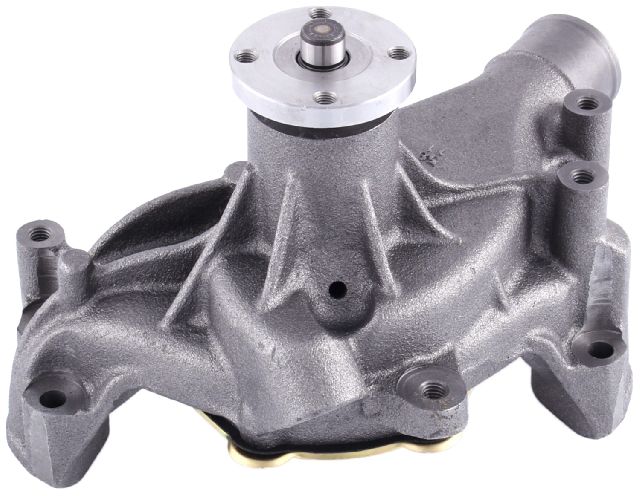
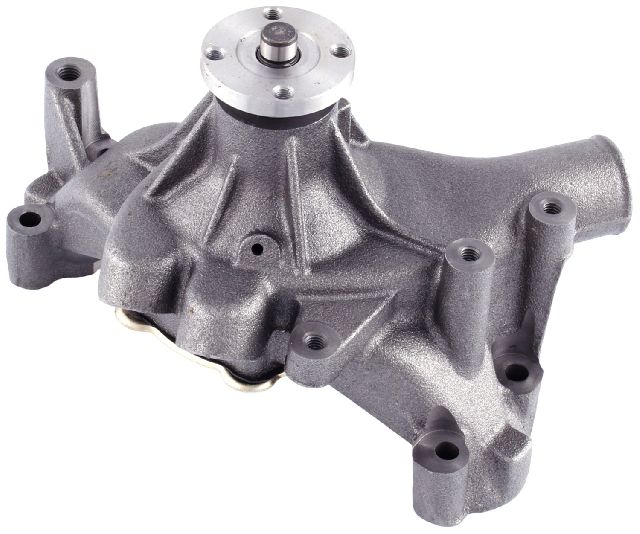
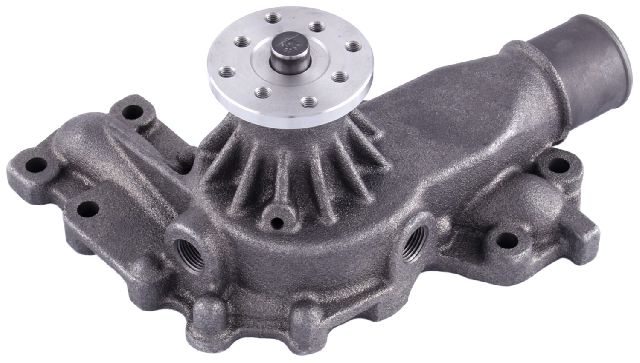
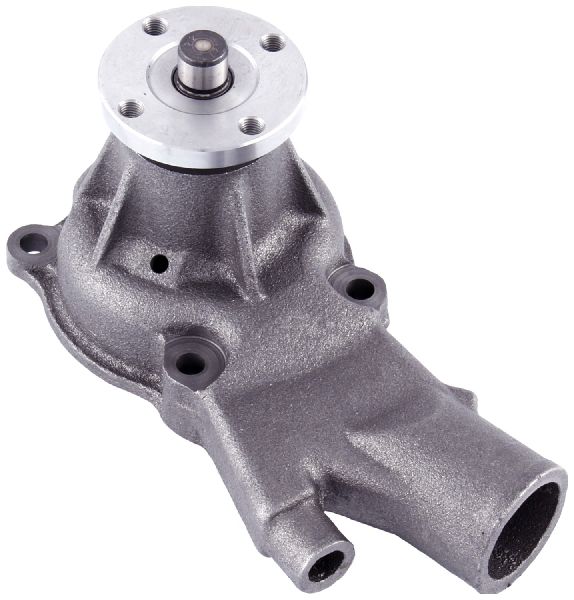
The small-block and big-block Chevy engines used in these trucks came with two main water pump styles: "short" and "long." The difference is the length of the pump from the engine block mounting surface to the fan hub. Using the wrong one will cause your accessory drive belts to be misaligned. Check your existing setup before ordering to ensure you get the correct style for your truck's specific engine and pulley configuration.
| Part Type | Estimated Part Cost | Notes |
|---|---|---|
| New Aftermarket | $55 - $279 | Price varies by brand quality and performance level. |
| Remanufactured | $40 - $90 | A rebuilt pump with new seals and bearings. Quality can vary. |
| Shop Labor | $200 - $400 | Typically 2-3 hours of labor at a professional shop. |
Frequently Asked Questions
What is a water pump weep hole?
The weep hole is a small opening on the housing of the water pump, usually on the bottom. It sits between the main pump seal and the outer bearing. If the main seal fails, coolant will leak out of this hole. It's a built-in feature to warn you that the pump is failing before coolant can reach and destroy the bearing.
Do I need a high-flow water pump?
For a stock or lightly modified C3500 used for normal driving, a standard-duty pump like a GMB is perfectly adequate. A high-flow or performance pump from a brand like Edelbrock is a good investment if you have a high-performance engine, tow heavy loads, or live in a very hot climate, as it provides better cooling under stress.
What else should I replace with the water pump?
Since you have to drain the coolant and remove the belts and hoses, it's the perfect time to replace other cooling system parts. It is highly recommended to also replace the thermostat, radiator hoses, heater hoses, and the drive belts. This is cheap insurance against future problems.
Can I replace the water pump myself?
Yes, for someone with basic mechanical skills, this is a very manageable DIY job. The water pump is externally mounted and accessible from the front of the engine. You will need common hand tools, a drain pan, and a torque wrench. The most critical steps are thoroughly cleaning the old gasket material off the engine block and properly sealing the new pump.
Technical Specifications
The most critical specification is the pump style: 'short' or 'long'. This must match your vehicle's original engine and accessory pulley setup for correct belt alignment. The rotation is standard (clockwise) for V-belt systems common in this era. Some 1987 models with the first serpentine belt systems may have different requirements, so verifying your existing setup is crucial.
We Have This Part in Stock
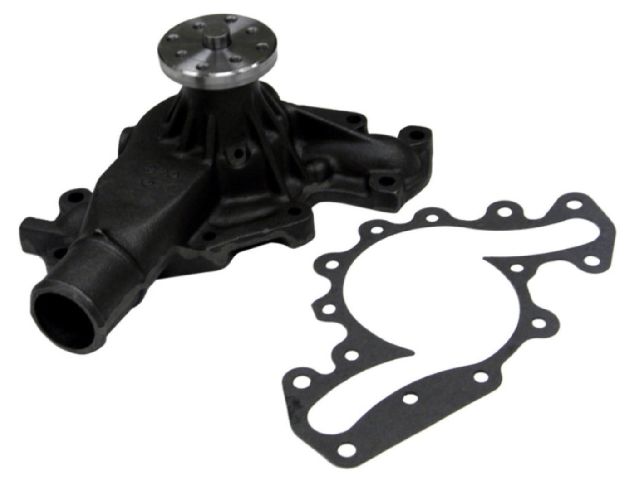
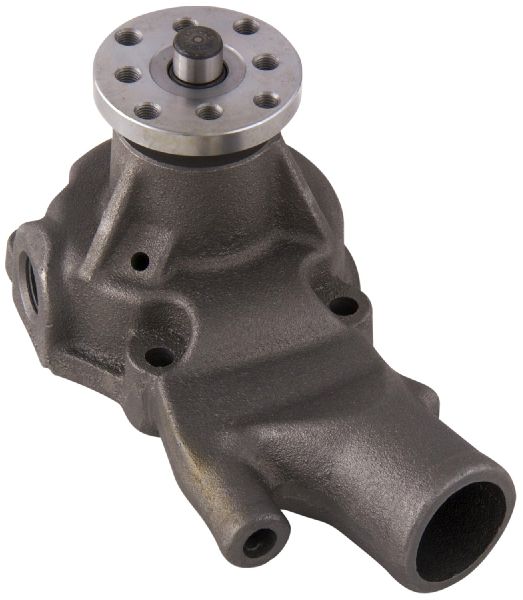

The information in this article is provided for general reference and educational purposes only. Vehicle specifications, procedures, and part compatibility can vary by production date, trim level, and region. Always consult your vehicle's factory service manual and verify part numbers before purchasing or performing repairs. Safety-critical components such as airbags, seat belts, and braking systems should be installed by a qualified professional.