

GMC C3500 Ignition Control Module Guide: 1979-1987 Models
Solve stalling and no-start problems in your classic GMC C3500 by understanding its ignition control module.
- A failing module often causes stalling when hot and will eventually lead to a no-start situation.
- Always apply the included thermal grease to the new module to prevent it from overheating and failing early.
- For best reliability, choose an AC Delco, Delphi, or Standard Ignition brand module; some performance brands have known reliability issues.
- This is a simple, low-cost repair you can likely do yourself in under an hour with basic tools.
Is Your Ignition Module Failing?
A bad ignition control module in a Square Body GMC truck often causes problems that come and go. Heat is the number one enemy of these modules. You might notice the engine stalls after it warms up, but then starts again after it cools down for a while. This can be frustrating to diagnose. Eventually, most failing modules will die completely, leaving you with an engine that cranks but will not start.
Common Symptoms:
- Engine cranks but won't start: This is the most common sign of a completely failed module. You have power, the starter turns the engine, but there is no spark to get it running.
- Sudden stalling: The engine may be running fine and then suddenly shut off as if you turned the key. This often happens when the module gets hot.
- Rough idle and misfiring: An inconsistent signal from a failing module can cause poor engine performance, making it feel like it's shaking or hesitating.
- No spark: If you test for spark at the plugs and find nothing, the ignition module is a primary suspect, along with the ignition coil.
A Note on Check Engine Lights & Codes
Your 1979-1987 GMC C3500 was built before the On-Board Diagnostics (OBD-II) systems found in modern cars. Therefore, a failing ignition control module will not trigger a Check Engine Light or store any "P" codes for a scanner to read.
Choosing the Right Aftermarket Module
When it comes to ignition modules for these HEI distributors, not all brands are created equal. Quality and reliability vary significantly, and owner experiences shared in forums are very consistent on this topic.
Tier 1: Best Reliability (OEM/Legacy Brands)
For a truck you depend on, spending a little more for a quality part is worth it. Forum users consistently report that original AC Delco parts offer the best reliability and lifespan. Many experienced owners will choose a used, genuine GM module from a junkyard over a new, cheap aftermarket part. Delphi is also a trusted name, often having supplied original parts to GM.
Tier 2: Reputable Aftermarket
Brands like Standard Motor Products (SMP) are generally considered a good-quality replacement. They have a long history in the aftermarket and offer a solid balance of price and performance. These are a dependable choice if a genuine AC Delco part is not available.
Tier 3: Budget & Performance Brands
This category includes brands like Accel and Proform, along with various store-brand parts. While Accel is known for performance parts, numerous owner reviews mention premature and sudden failure of their HEI ignition modules. These parts may work, but their long-term reliability is questionable based on widespread user feedback. They may be suitable for a temporary fix but carry a higher risk of leaving you stranded.
Pro Tip: Don't Forget the Grease!
Every new ignition module comes with a small packet of white or clear grease. This is not optional. It is a special thermal compound that helps transfer heat from the module to the metal body of the distributor. Skipping this step will cause the new module to overheat and fail very quickly, sometimes in just a few months. Always clean the mounting surface in the distributor before applying a thin, even layer of the new grease.
How Much Does a New Ignition Module Cost?
The cost to replace the ignition control module on a 1979-1987 GMC C3500 is very reasonable, especially if you do the work yourself. The part itself is affordable, and the job does not require many tools.
| Part or Service | Estimated Cost |
|---|---|
| New Aftermarket Module | $48.75 - $105.88 |
| New OEM/ACDelco Module | $70 - $120+ (if available) |
| Shop Labor | $60 - $120 |
| Total Professional Replacement | $110 - $240+ |
Frequently Asked Questions (FAQ)
Can I replace the ignition module myself?
Yes, this is a great DIY job for a beginner. It requires basic hand tools like a screwdriver and a small socket or wrench (often 5.5mm or 7/32"). The module is located inside the distributor cap. The process involves removing the cap and rotor, unplugging the old module, unscrewing it, and then installing the new one in reverse order. Remember to use the thermal grease.
Why do these ignition modules fail so often?
Heat and vibration are the main causes of failure. The module is in a hot location inside the engine bay and also generates its own heat during operation. Over time, the internal electronics break down. Other issues like a failing ignition coil, bad spark plug wires, or poor electrical grounds can also put extra stress on the module and cause it to fail prematurely.
Is a more expensive "performance" module better?
Not necessarily for a stock or mildly modified engine. For these trucks, reliability is more important than a slight performance gain you may not even feel. Many high-performance modules from brands like Accel have a poor reputation for reliability in these trucks. Sticking with a trusted brand like AC Delco, Delphi, or Standard Ignition is a safer bet.
My truck died but started again after cooling off. Is that the module?
This is a classic symptom of a failing ignition module. The heat from the engine causes a connection inside the module to fail. Once it cools down, the connection is restored and it works again until it gets hot. This is a strong sign that the module needs to be replaced soon.
Technical Specifications
OEM Part Numbers: 10469470 D1906
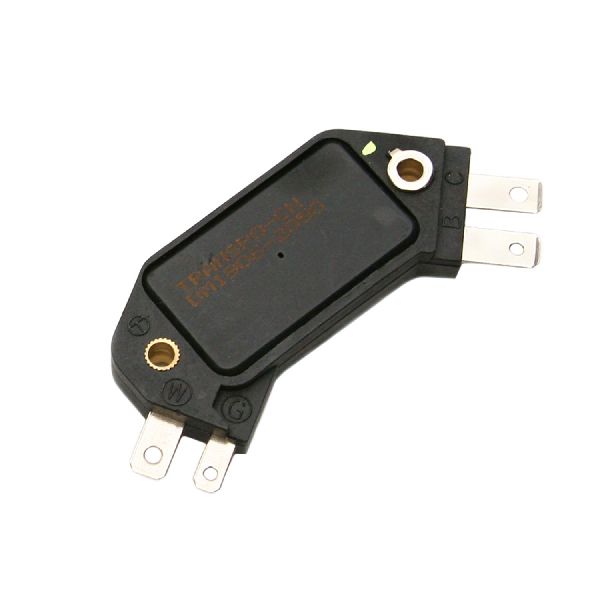
Located inside the HEI distributor, under the rotor. Typically a 4-pin module for this vehicle generation.
We Have This Part in Stock


The information in this article is provided for general reference and educational purposes only. Vehicle specifications, procedures, and part compatibility can vary by production date, trim level, and region. Always consult your vehicle's factory service manual and verify part numbers before purchasing or performing repairs. Safety-critical components such as airbags, seat belts, and braking systems should be installed by a qualified professional.
- 🛍️ Shop This Part
- Is Your Ignition Module Failing?
- Common Symptoms:
- A Note on Check Engine Lights & Codes
- Choosing the Right Aftermarket Module
- Tier 1: Best Reliability (OEM/Legacy Brands)
- Tier 2: Reputable Aftermarket
- Tier 3: Budget & Performance Brands
- Pro Tip: Don't Forget the Grease!
- How Much Does a New Ignition Module Cost?
- Frequently Asked Questions (FAQ)
- 🎟️ Get 5% Off