

Power Steering Pump Replacement Guide for the 1979-1987 GMC C3500
Everything you need to know before buying a new power steering pump for your Square Body GMC.
- A power steering pulley puller/installer tool is required for this job; do not use a hammer.
- Thoroughly flush the old fluid and bleed all air from the system to prevent damaging the new pump.
- Choose a standard remanufactured pump for normal use or a new performance pump for heavy-duty applications.
- Replacing the power steering hoses at the same time is a cheap and effective way to protect your new pump.
Is Your Power Steering Pump Failing?
The power steering system on these classic GMC trucks is straightforward but works hard. When the pump starts to wear out, it will give you clear warning signs. Ignoring them can lead to a complete loss of power assist, making the truck very difficult to steer, especially at low speeds.
Common Failure Symptoms:
- Whining Noise: A noticeable whine or groan that gets louder when you turn the wheel or increases with engine RPM is a classic sign of a failing pump. This can be caused by low fluid, air in the system, or internal wear.
- Fluid Leaks: Finding puddles of reddish or brown power steering fluid under the front of your truck is a common issue. Leaks can come from the pump body itself, the reservoir seals, or the pressure and return hoses connected to it.
- Stiff or Jerky Steering: If turning the wheel suddenly becomes difficult, feels inconsistent, or requires more effort than usual, the pump is likely not producing enough pressure. This can be especially noticeable in parking lots.
- Squealing Belts: If the pump's internal parts begin to seize, it can cause the pulley to stop turning momentarily, resulting in a loud squeal from the drive belt slipping over it.
OEM vs. Aftermarket Quality
For a truck of this age, finding a brand-new Original Equipment Manufacturer (OEM) pump from GM is highly unlikely. Your options are primarily in the aftermarket, which consists of remanufactured units and new performance-oriented parts.
- Remanufactured Pumps: Brands like Cardone and BBB Industries rebuild original pump cores. They are a cost-effective solution, but quality can be inconsistent. While many work fine for a daily driver, some forum users report issues with premature failure. Often, these parts come with a lifetime warranty, which can be useful.
- New Performance Pumps: A brand like PSC Motor Sports creates entirely new pumps, not rebuilt ones. These are engineered to be more durable and powerful than the original factory units. This is a premium option, ideal for trucks with oversized tires, heavy towing duties, or for owners who want the highest quality and reliability.
Choosing the Right Aftermarket Pump
With prices ranging from under $100 to over $400, the pump you choose should match your truck's use and your budget.
| Brand Tier | Examples | Price Range | Best For |
|---|---|---|---|
| Budget Remanufactured | Cardone, BBB Industries | $79 - $160 | Stock trucks with standard daily driving needs. A good budget-friendly choice. |
| High-Performance NEW | PSC Motor Sports | $250 - $400+ | Trucks used for heavy hauling, towing, off-roading, or those with large tires. For owners wanting a long-term, high-durability solution. |
A Note on Remanufactured Parts
When buying a remanufactured pump, it's a good practice to inspect it before installation. Some forum members suggest checking that the internal pressure valve moves freely, as they can sometimes get stuck in rebuilt units, causing an immediate lack of steering assist.
Frequently Asked Questions (FAQ)
Do I need special tools for the replacement?
Yes. The most important tool is a power steering pump pulley puller and installer. The pulley is press-fit onto the pump shaft and cannot be removed or installed by hammering, which will damage the pump. These tool sets can often be rented from auto parts stores.
Why is my new pump whining?
The most common reason for noise after installing a new pump is air trapped in the system. The system must be properly bled by raising the front wheels off the ground and turning the steering wheel from lock to lock many times with the engine off, checking and topping off the fluid as you go. Contaminated old fluid can also damage a new pump, so flushing the entire system is critical.
Should I replace the hoses at the same time?
It is highly recommended. Old, hardened, or cracked hoses can leak or fail, introducing air into your new pump and causing it to fail prematurely. Replacing them while you have the system open is a smart preventative measure.
Are there any recalls for my truck's power steering?
Searches of the National Highway Traffic Safety Administration (NHTSA) database did not find any open recalls or relevant technical service bulletins (TSBs) specifically for the power steering system on the 1979-1987 GMC C3500. Recalls found were for much newer GM trucks with different steering systems.
Technical Specifications
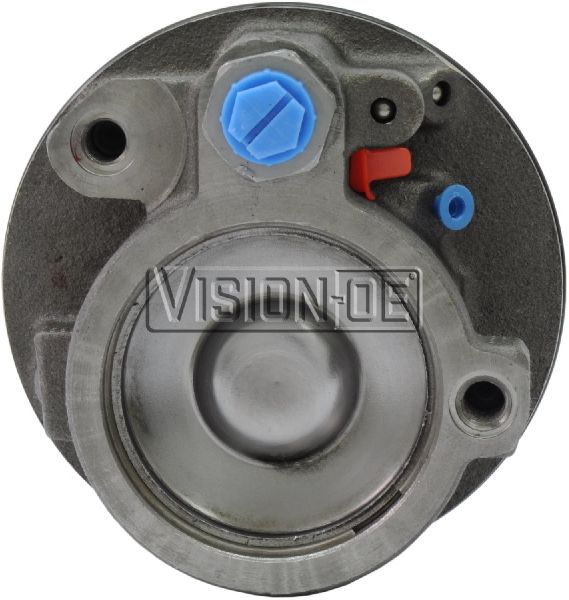
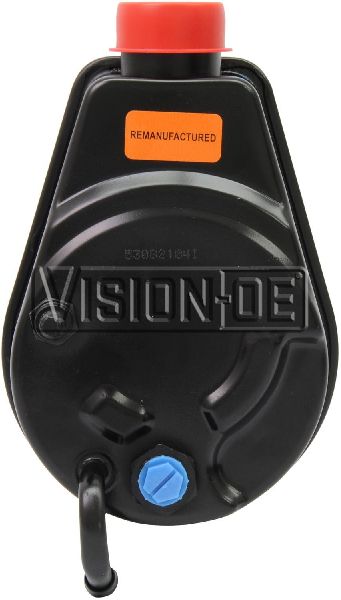
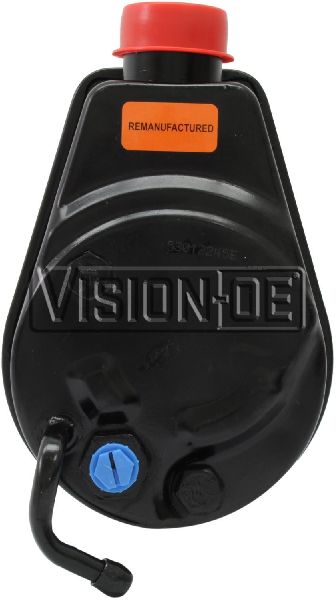
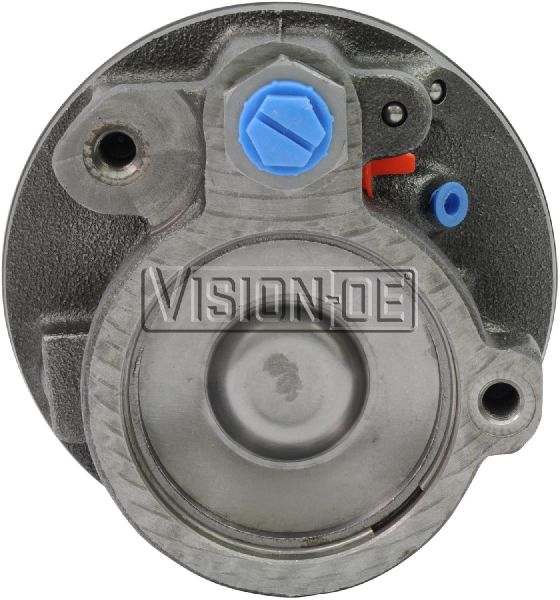
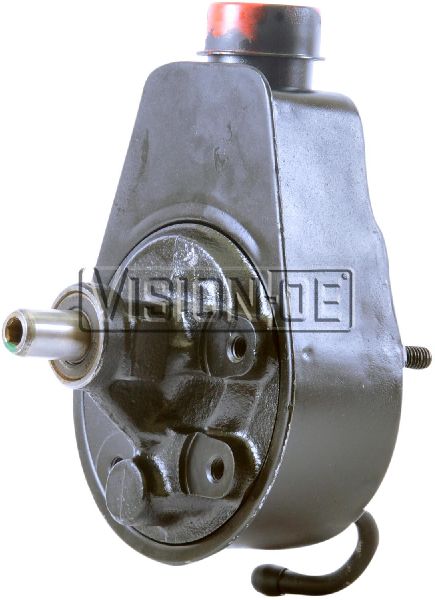
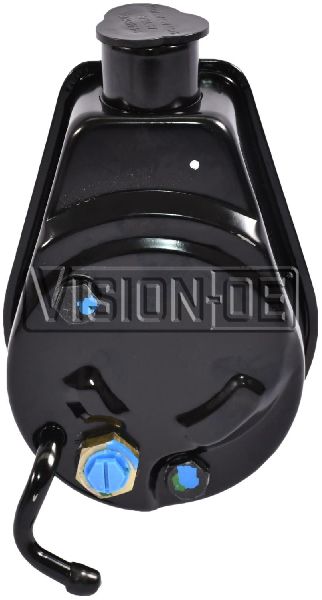
The most critical specification for this vehicle is ensuring the pump is compatible with a press-on style pulley. The reservoir may or may not be included, and sometimes must be swapped from the old pump. Always compare the new pump to the old one before installation.
We Have This Part in Stock

The information in this article is provided for general reference and educational purposes only. Vehicle specifications, procedures, and part compatibility can vary by production date, trim level, and region. Always consult your vehicle's factory service manual and verify part numbers before purchasing or performing repairs. Safety-critical components such as airbags, seat belts, and braking systems should be installed by a qualified professional.