

GMC G2500 Differential Bearing Set Replacement Guide for 1979-1987 Models
Hearing a whine or rumble from the rear of your van? It might be time for new differential bearings.
- A whining or rumbling noise from the rear axle that changes with speed is the most common symptom of a failing differential bearing.
- This is a complex repair that requires special tools and precise measurements; professional installation is highly recommended.
- For long-term reliability on this vintage van, use a high-quality aftermarket brand like Timken.
- Ignoring the problem can lead to a differential lock-up, which is a critical safety failure.
Is Your 1979-1987 GMC G2500 Making a Howling Noise?
If you're driving a classic 1979-1987 GMC G2500 Vandura, you know it's a workhorse. However, decades of use can wear down crucial parts like the rear differential bearings. These components operate under immense pressure, and when they fail, they usually let you know with loud, distinct noises. Ignoring these sounds can lead to more severe and expensive damage to the differential gears or even cause the rear end to lock up, creating a serious safety hazard.
Symptoms of Failing Differential Bearings
Listen carefully to your van as you drive. The sounds of failing bearings are often specific and can help you diagnose the problem.
- Whining or Howling Noise: A high-pitched whine that changes with your speed, especially during acceleration or deceleration, is a classic sign of a worn pinion bearing.
- Rumbling or Grinding: A deep rumbling or whirring sound that starts around 20 mph and may change when you turn is often caused by failing carrier bearings.
- Vibrations: A vibration you can feel through the floor that increases with speed can be a sign that worn bearings are creating excess play in the drivetrain.
- Clunking Sounds: While often related to U-joints, a clunking noise when you shift into gear or get on and off the gas can also point to excessive play inside the differential from worn parts.
- Fluid Leaks: If you see dark, thick gear oil leaking from where the driveshaft connects to the axle, your pinion seal has likely failed. Low fluid levels from a leak will quickly destroy the bearings.
Critical Safety Warning
Do not ignore these symptoms. A bearing that completely fails can seize, causing the differential to lock up. This can lead to a sudden loss of vehicle control. If you suspect a bad bearing, it's best to have the vehicle inspected immediately.
Choosing the Right Aftermarket Differential Bearings
For a vehicle from this era, OEM parts are generally unavailable. The aftermarket is your primary source for a new differential bearing set. Fortunately, high-quality options are available that meet or exceed original factory standards.
- Brand Quality: Timken
Timken is widely regarded as an industry leader for bearings and is a trusted choice for differential repairs. Mechanics and DIYers often recommend Timken for its high-quality manufacturing, durability, and precise tolerances, which help ensure a quiet and long-lasting repair. For a critical component like a differential bearing, using a reputable brand like Timken is a smart investment.
Known Issues for This Vehicle
For the 1979-1987 GMC G2500, there are no specific recalls or Technical Service Bulletins (TSBs) from the NHTSA related to the differential bearings. The main issues you will encounter are due to normal wear and tear over decades of service. The most common cause of failure is old age and the breakdown of the original gear oil, leading to a lack of lubrication.
Pro Tip: Check Your Axle
Before ordering, it's a good idea to confirm which rear axle your G2500 has. Most will have a GM 10-bolt or 12-bolt differential, but it's always best to verify to ensure you get the correct bearing set.
| Part/Service | Estimated Cost |
|---|---|
| New Aftermarket Differential Bearing Set (Timken) | $39.06 - $39.06 |
| Shop Labor | $400 - $900 |
| Total Estimated Cost | $440 - $940 |
Frequently Asked Questions (FAQ)
Can I replace the differential bearings myself?
This is not recommended for most DIY mechanics. Replacing differential bearings requires specialized tools, including a hydraulic press, a dial indicator for measuring backlash, and bearing drivers. The job requires precise adjustments of pinion depth and bearing preload. Incorrect installation can cause immediate noise and rapid failure of the new parts. Professional installation is strongly recommended.
What other parts should I replace at the same time?
When replacing the bearings, it is essential to also replace the pinion seal, axle seals, and the crush sleeve (if equipped). It's also a good time to inspect the ring and pinion gears for any signs of damage or excessive wear. Always refill the differential with fresh, high-quality gear oil and any required limited-slip additive.
What causes differential bearings to fail?
The most common cause is a lack of proper lubrication. This can happen due to a leaking pinion or axle seal, or simply because the original gear oil has broken down over many years and miles. Age and high mileage are the primary factors for failure in these older vans.
Will a bad differential bearing cause my van to shake?
Yes, a worn-out bearing can cause vibrations that get worse as you increase speed. This is due to the excessive play or roughness in the bearing, which translates into a vibration through the driveshaft and vehicle frame.
Technical Specifications
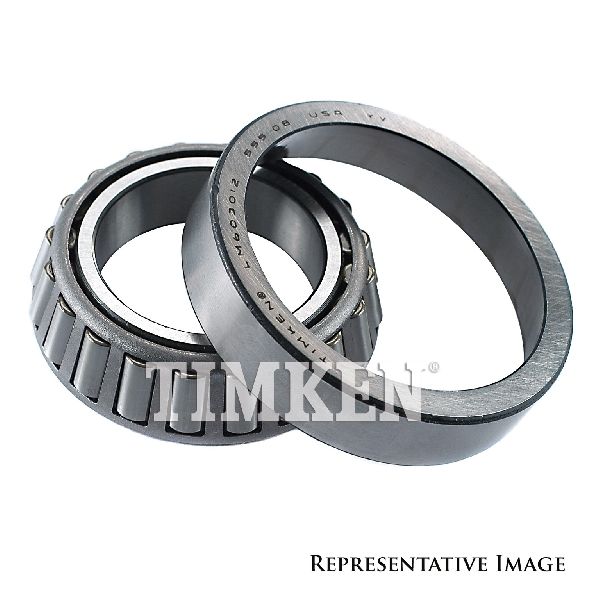
Kit typically includes pinion bearings, carrier bearings, and associated races. Axle type is commonly a GM 10-bolt or 12-bolt rear end.
We Have This Part in Stock

The information in this article is provided for general reference and educational purposes only. Vehicle specifications, procedures, and part compatibility can vary by production date, trim level, and region. Always consult your vehicle's factory service manual and verify part numbers before purchasing or performing repairs. Safety-critical components such as airbags, seat belts, and braking systems should be installed by a qualified professional.