

GMC K1500 Catalytic Converter Guide: 1979-1987 Models
Everything you need to know about replacing the catalytic converter on your classic GMC K1500 truck.
- You must fix the root cause of the failure (like engine misfires or a rich fuel mix) before installing a new converter, or it will also fail.
- For this truck, aftermarket is your only real option. Walker offers a reliable standard replacement, while MagnaFlow is a more durable, performance-oriented choice.
- Choosing a 'direct-fit' converter instead of a 'universal' one will make the installation much easier for a DIY mechanic, as it will bolt on without welding.
- Symptoms like power loss, a rotten egg smell, or a rattling noise from under the truck are strong indicators of a failing converter.
Is Your K1500's Catalytic Converter Failing?
For trucks as old as the 1979-1987 GMC K1500, the original catalytic converter has likely been replaced at least once. If you're experiencing issues, it's important to recognize the signs. A failing converter doesn't just hurt the environment; it can seriously impact your truck's performance. Keep an eye and ear out for the common symptoms of a bad converter.
Don't Ignore the Root Cause
Catalytic converters typically don't fail on their own. They fail because of another problem with the engine. Common causes include a rich fuel mixture from a bad carburetor or fuel pressure regulator, engine misfires, or coolant and oil leaking into the exhaust. If you don't fix the underlying issue, your new converter will fail quickly.
Choosing the Right Aftermarket Converter for Your Truck
Finding a new original equipment (OEM) catalytic converter from GM for a 1979-1987 K1500 is nearly impossible. The good news is that several aftermarket brands offer replacements that fit and function well. They generally fall into a few tiers based on price, materials, and reputation.
Brand Tiers & Quality
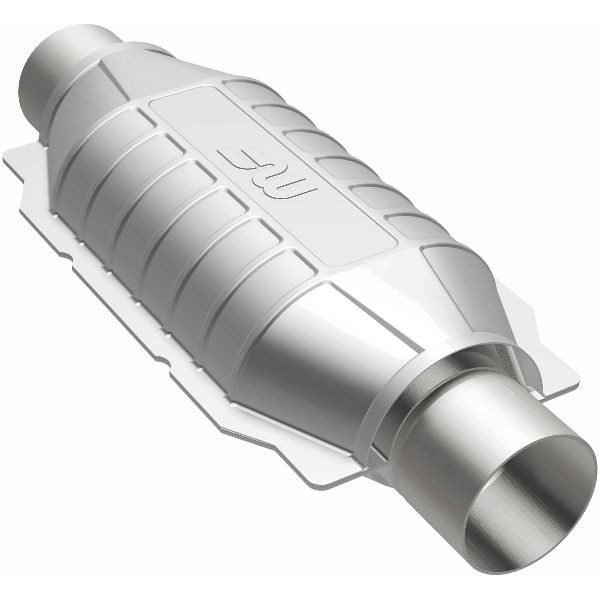
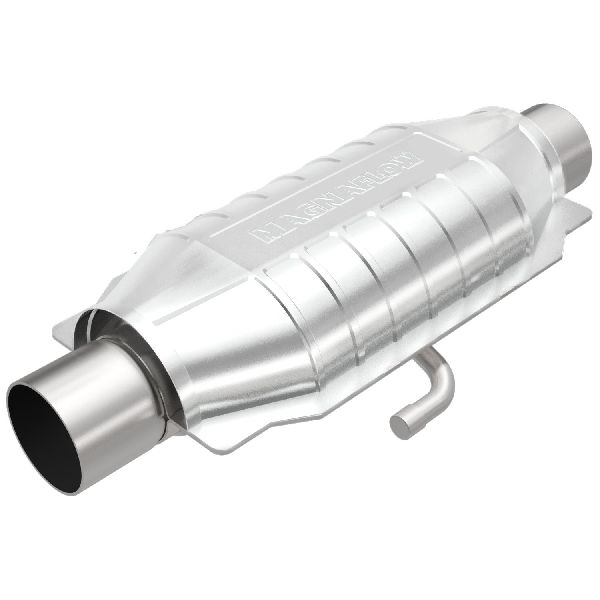
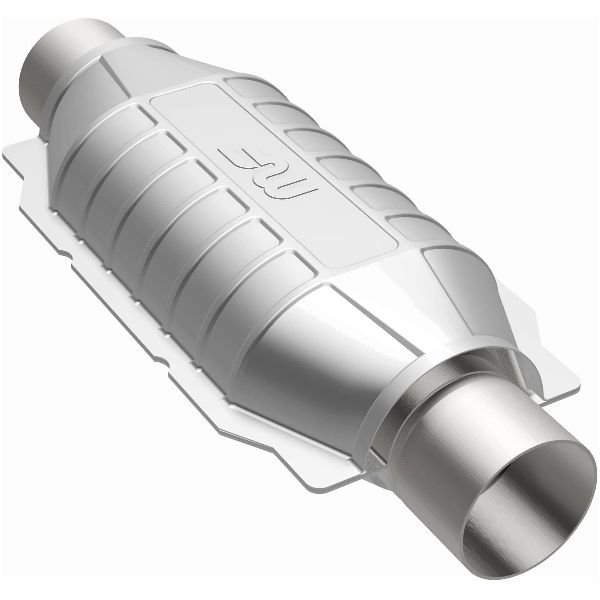
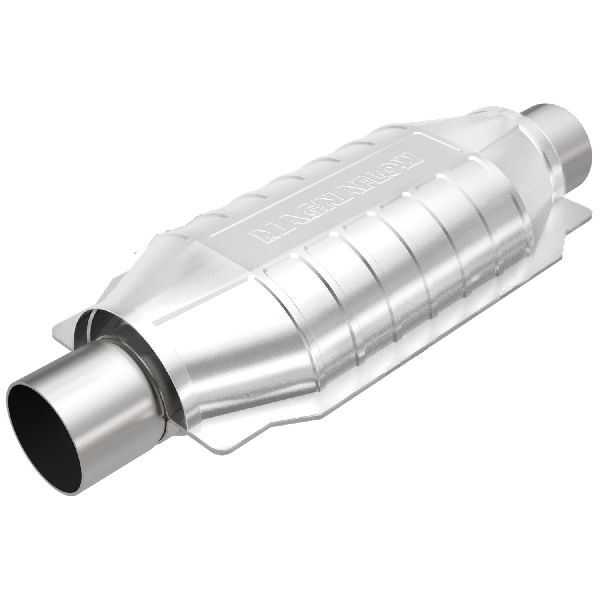
- Performance Tier (MagnaFlow): MagnaFlow is known for high-quality, stainless steel converters that often provide better exhaust flow than stock. They are very durable and resistant to heat and corrosion. While they are on the higher end of the price spectrum, many shops and truck owners prefer them for their longevity and performance.
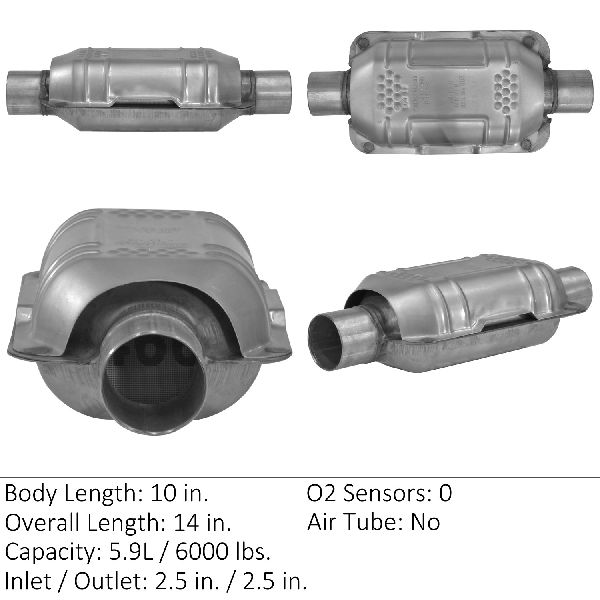
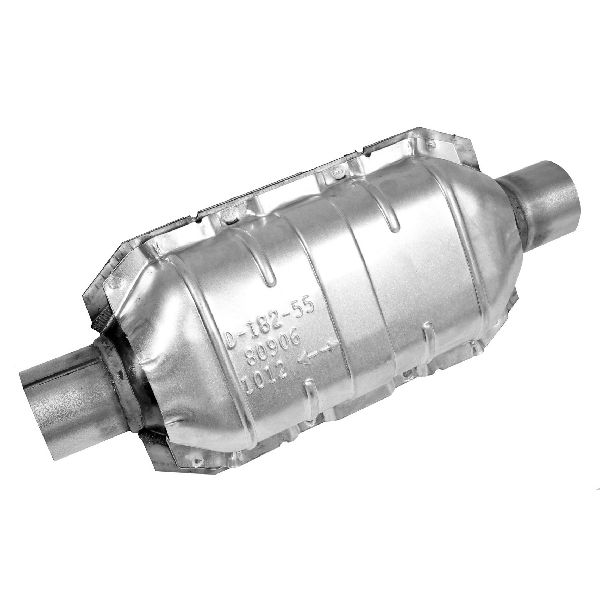
- Standard Replacement Tier (Walker Exhaust): Walker is one of the most trusted names for standard, OE-style replacement parts. They are a major supplier to vehicle manufacturers, and their converters are known for reliable performance and good fitment. For a daily driver, a Walker converter offers a great balance of quality and cost.
- Economy Tier (Eastern Catalytic): Eastern Catalytic offers a more budget-friendly option. While many users have had success with them, especially regarding fitment, there are some reports of questionable weld quality and shorter lifespans compared to premium brands. This can be a good choice if the budget is the primary concern, but it may not last as long.
Direct-Fit vs. Universal Converters
For your K1500, you will find both "direct-fit" and "universal" converters. A direct-fit model is designed to bolt right into place without any modifications, making installation much easier. A universal converter is cheaper but will require cutting and welding to fit your exhaust pipes, adding to labor time and cost. For most DIY mechanics, a direct-fit part is the better choice.
Cost to Replace a GMC K1500 Catalytic Converter
The cost can vary significantly based on the brand you choose and whether you do the work yourself or hire a shop. Given the age of the vehicle, new OEM parts are not a realistic option.
| Item | Estimated Cost |
|---|---|
| New Aftermarket Part | $119 - $592 |
| Shop Labor | $150 - $350 |
| Total Professional Installation | $269 - $942 |
Frequently Asked Questions (FAQ)
Do I need a special type of converter for my state?
Most states allow the use of EPA-compliant (Federal) converters, which all the brands listed offer. However, California and Colorado have stricter laws requiring CARB-compliant converters. While these laws primarily target newer vehicles, always check your local regulations before purchasing. For a truck of this age, a federal converter is usually sufficient outside of California.
Is replacing the catalytic converter on my K1500 a DIY job?
Yes, for many owners it is. These trucks have a simple frame and exhaust layout. If you buy a direct-fit, bolt-on converter, the job involves removing a few rusted bolts, swapping the part, and installing new gaskets. The biggest challenge will be dealing with rust. You will need a good socket set, penetrating oil, and jack stands. If the new part requires welding, you should take it to a professional exhaust shop.
Did all 1979-1987 K1500s have a catalytic converter?
Most did, but not all. Starting in 1979, federal regulations required converters on trucks under a certain Gross Vehicle Weight Rating (GVWR). Most half-ton K1500 models fell into this category. By 1987, with the switch to fuel injection, nearly all models were equipped with one. However, some heavy-duty configurations in the early part of this range may have been exempt.
What does the "rotten egg smell" mean?
That sulfur or rotten egg smell is caused by hydrogen sulfide in the gasoline. A properly working catalytic converter changes this into odorless sulfur dioxide. When you smell rotten eggs, it means the converter is either failing or being overwhelmed by too much unburned fuel from an engine problem.
Technical Specifications
Varies by engine and model year. Most configurations use a single-in/single-out converter. Both direct-fit (bolt-on) and universal (weld-in) styles are available. Check your specific application before ordering.
We Have This Part in Stock

The information in this article is provided for general reference and educational purposes only. Vehicle specifications, procedures, and part compatibility can vary by production date, trim level, and region. Always consult your vehicle's factory service manual and verify part numbers before purchasing or performing repairs. Safety-critical components such as airbags, seat belts, and braking systems should be installed by a qualified professional.