

Guide to the 1979-1987 GMC K1500 Distributor Ignition Pickup
Solve frustrating no-start conditions and engine stalling by learning about the ignition pickup in your classic GMC K1500.
- A failing ignition pickup often causes heat-related stalling and no-start issues.
- Symptoms are nearly identical to a bad ignition module or coil; test these parts first.
- Replacement requires removing the entire distributor and re-setting the ignition timing with a timing light.
- Mark the distributor's position before removal to simplify reinstallation.
Is Your GMC K1500 Stalling or Refusing to Start?
A failing distributor ignition pickup is a common cause of ignition problems in 1979-1987 GMC K1500 trucks. These issues often seem random at first, but they tend to get worse over time. Because this part is sensitive to heat, you might notice that problems appear after the engine has warmed up and then disappear once it cools down. Recognizing the symptoms early can save you from being stranded.
Symptoms of a Failing Ignition Pickup
- Engine Stalls, Especially When Hot: The most frequent complaint is the engine shutting off after 15-20 minutes of driving. As the distributor heats up, the pickup coil's internal wiring can fail, cutting the signal to the ignition module and killing the spark. The truck may start again after it has cooled down.
- No-Start Condition: If the pickup coil fails completely, it won't send any signal at all. The engine will crank over but will not start because there is no spark being generated. This can be mistaken for a bad ignition coil or ignition module.
- Intermittent Spark / Misfires: A weak or inconsistent signal from the pickup coil can cause sputtering, coughing sounds from the engine, and a noticeable shake or vibration. This happens because the cylinders aren't firing correctly.
First, Check Other Parts
The symptoms of a bad pickup coil are very similar to those of a failed ignition control module and a bad ignition coil. Both of these parts are also located inside the distributor and are prone to heat-related failure. It's wise to test the module and coil before replacing the pickup, as they are often easier to access and replace.
Choosing the Right Aftermarket Part
For a classic truck like the 1979-1987 K1500, original OEM GM parts are often discontinued and hard to find. The aftermarket is the most realistic source for a new ignition pickup. Standard Ignition is a well-known brand that produces these components.
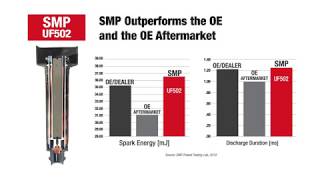
When buying an aftermarket part, quality is key. While some budget parts are available, they can be unreliable, forcing you to do the job twice. Standard Ignition is generally considered a reliable option for daily drivers and is widely available. They often engineer their parts to meet or exceed original specifications. 🎬 Learn how Standard ignition coils are engineered to outperform OE. Given the labor involved in replacing the pickup, choosing a quality part from a reputable brand is a smart investment.
| Part/Service | Estimated Cost |
|---|---|
| New Aftermarket Ignition Pickup | $46.25 - $77.02 |
| Shop Labor | $150 - $300 |
Cost estimates are for the part and labor only and do not include taxes or other potential repairs. Labor costs vary by location.
Pro Tip: Mark Everything Before Removal
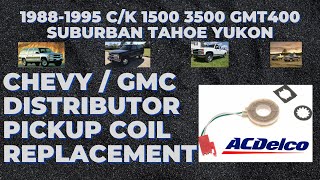
Replacing the ignition pickup requires removing the entire distributor from the engine. Before you unbolt it, use a marker or paint pen to mark the position of the distributor housing against the intake manifold and the direction the rotor is pointing. This will make it much easier to reinstall the distributor in the correct position and get the ignition timing close enough 🎬 See a step-by-step walkthrough of the distributor replacement process. for the engine to start.
Frequently Asked Questions
Can I replace the ignition pickup myself?
Yes, this is a DIY-feasible job for someone with moderate mechanical experience. The process involves removing the distributor cap, rotor, and the entire distributor assembly. You will need basic hand tools, a punch to remove the gear roll pin, and a timing light to correctly set the ignition timing after reinstallation.
Do I have to set the ignition timing after replacing the pickup?
Yes. Because the distributor must be removed to access the pickup coil, you must reset the ignition timing after the new part is installed. If you mark the distributor's position carefully before removal, you can often get the timing close enough to start the engine, but a timing light is required for the final, accurate adjustment.
What's the difference between the pickup coil and the ignition module?
The pickup coil and ignition module work together but have different jobs. The pickup coil is a sensor that generates a timing signal based on the distributor's rotation. The ignition module is a small electronic box that receives this signal and acts as a switch, turning the ignition coil on and off to create a high-voltage spark. Both are located inside the distributor on these trucks.
Will a bad pickup coil cause a Check Engine Light?
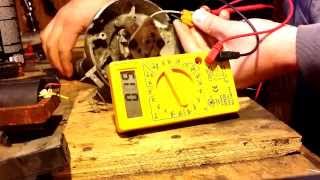
No, vehicles in the 1979-1987 range are typically pre-OBDII and do not have a modern Check Engine Light system that would store a trouble code for a failing pickup coil. Diagnosis relies on testing for spark and checking the resistance of the pickup coil 🎬 Watch this guide on troubleshooting your GM HEI pickup coil. with a multimeter.
Helpful Videos
Technical Specifications
The ignition pickup is a magnetic sensor located inside the HEI (High Energy Ignition) distributor. A functional pickup coil should typically have a resistance reading between 500 and 1500 ohms when tested with a multimeter.
We Have This Part in Stock


The information in this article is provided for general reference and educational purposes only. Vehicle specifications, procedures, and part compatibility can vary by production date, trim level, and region. Always consult your vehicle's factory service manual and verify part numbers before purchasing or performing repairs. Safety-critical components such as airbags, seat belts, and braking systems should be installed by a qualified professional.