

Universal Joint Guide for the 1979-1987 GMC K1500 Suburban
Keep your classic 4x4 running smooth by understanding and replacing your driveshaft U-joints.
- Symptoms like clunking, squeaking, and vibrations are serious warnings that should not be ignored.
- For this vintage of truck, the original U-joints were likely held in with injected plastic that must be melted with a torch for removal.
- Dana/Spicer is the recommended brand for OEM-level quality and durability; choose non-greasable for strength and low maintenance.
- Complete failure is dangerous and can cause the driveshaft to detach, leading to loss of control and major damage.
Is Your Suburban's U-Joint Failing?
A failing U-joint gives clear warning signs. Ignoring them can lead to the driveshaft disconnecting from the truck, which can cause a loss of control or severe damage to the transmission, transfer case, and underside of your vehicle. Listen and feel for these symptoms:
Common Failure Symptoms
- Clunking Noise: A distinct "clunk" or "bang" when you shift from Park into Drive or Reverse is a classic sign of a worn U-joint with too much play.
- Drivetrain Vibration: A vibration you can feel throughout the truck that gets worse with speed often points to a U-joint that is worn and has thrown the driveshaft out of balance.
- Squeaking or Chirping: A repetitive, bird-like squeak that changes with your speed is often the sound of a dry, unlubricated U-joint where the internal needle bearings have failed. You may hear it most at lower speeds.
- Visible Rust Dust: If you look at the U-joint and see a reddish-brown dust around the bearing caps, it's a sign the seals have failed and the joint is rusting from the inside out.
Choosing the Right Aftermarket U-Joint
For a vehicle from this era, aftermarket U-joints are the standard for replacement. The original parts were likely made by Spicer, so choosing a high-quality aftermarket brand can meet or exceed original specifications. Your choice depends on your budget and how you use your truck.
Brand Quality Tiers
- Premium / Heavy-Duty (Dana Spicer, Yukon Gear): Dana/Spicer is widely considered the OEM-quality benchmark, known for strength and durability. They are a top choice for any application. Yukon Gear offers high-strength joints, including their "Super Joints," which are designed for extreme off-road use and require diligent maintenance. These are for serious off-road builds.
- Mid-Grade (Moog): Moog is a well-known brand that offers reliable replacement parts. While some forum users have debated their recent quality, they remain a popular and widely available choice, often with greaseable fittings for easy maintenance.
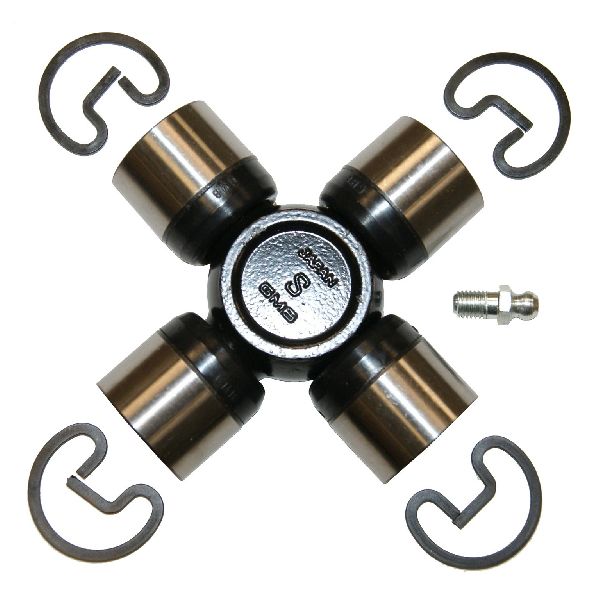
- Standard / Economy (GMB, House Brands): Brands like GMB offer a budget-friendly solution for a daily driver under normal use. They meet basic requirements but may not have the longevity or ultimate strength of premium brands.
Pro Tip: Greasable vs. Non-Greasable
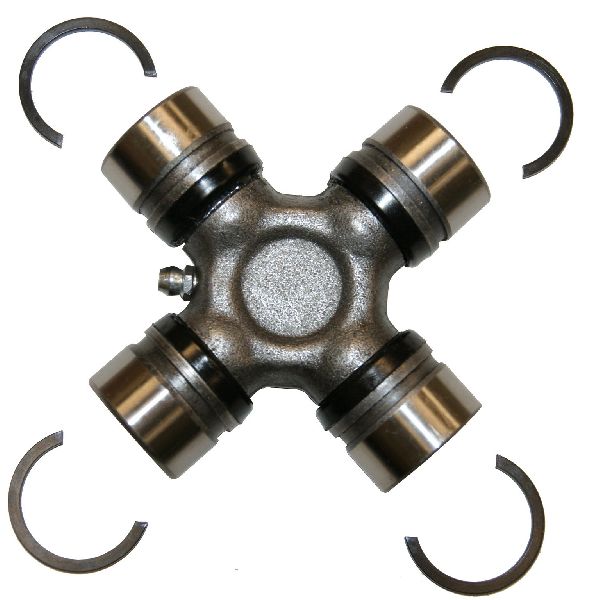
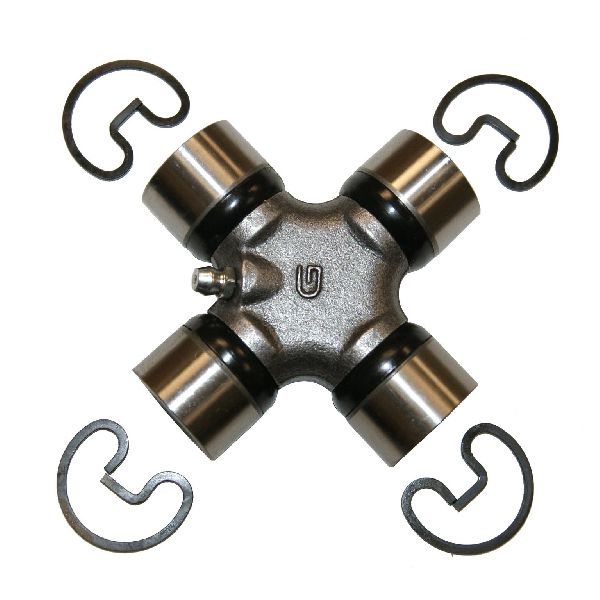
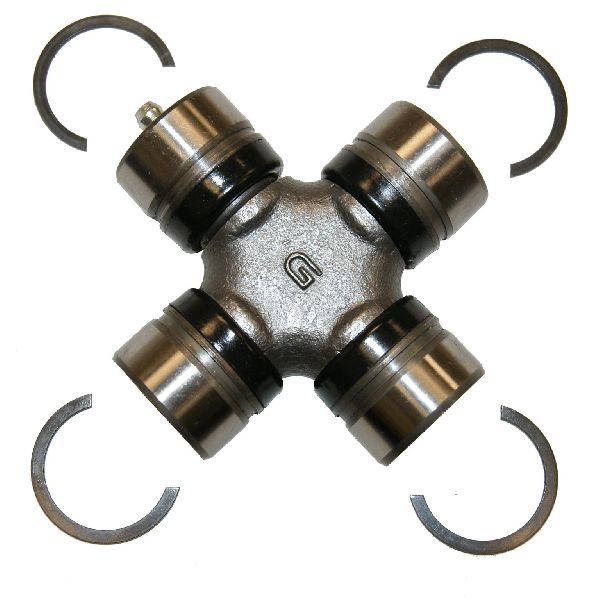
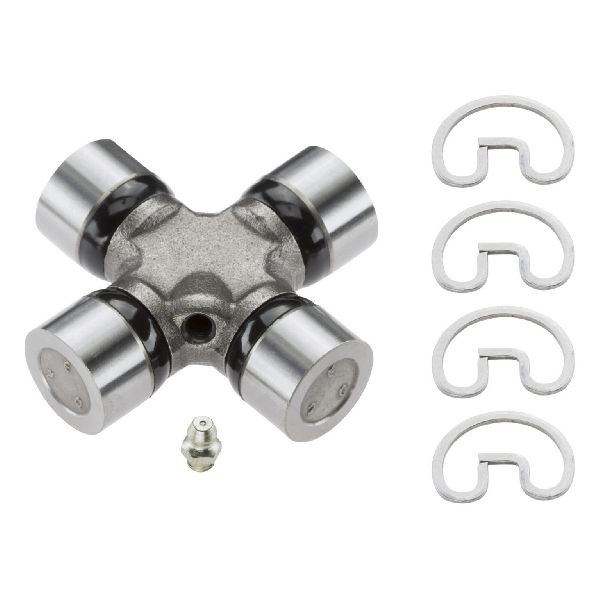
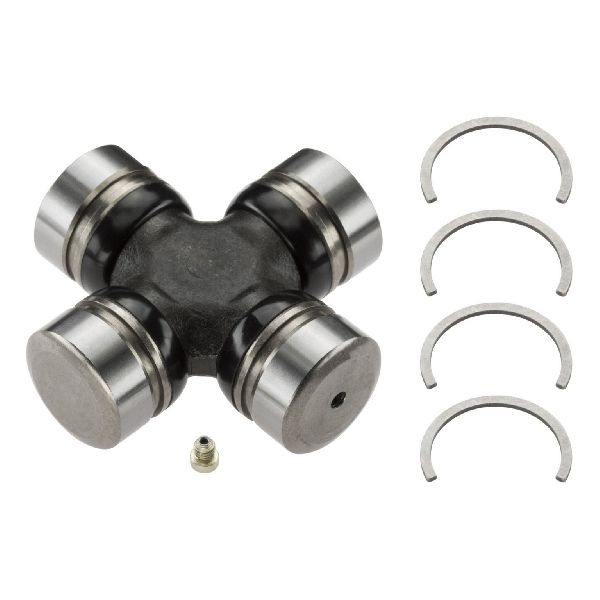
You will see two types of U-joints: greasable (with a zerk fitting) and non-greasable (sealed). Non-greasable joints are generally stronger because the main body (cross) is solid steel, with no holes drilled for grease channels. They rely on high-quality seals to last. Greasable joints are weaker but allow you to flush out mud and water with fresh grease, making them a consideration for trucks that see frequent off-road use. However, they must be greased regularly, or they will fail quickly.
Cost of Replacing a U-Joint
The cost can vary based on the brand of the part and local labor rates. Your K1500 Suburban has at least four U-joints (two on the rear shaft, two on the front), so costs can add up if you replace them all at once.
| Item | Estimated Cost |
|---|---|
| New Aftermarket U-Joint (Part Only) | $18 - $240 |
| Shop Labor Cost (Per Joint) | $120 - $250 |
| Total Professional Replacement (Per Joint) | $140 - $490 |
Note: Costs are estimates and can vary significantly. The wide part cost range reflects the difference between standard replacements and high-performance off-road joints.
Frequently Asked Questions
How many U-joints does my 1979-1987 K1500 Suburban have?
As a 4WD model, your truck has a front and a rear driveshaft. Each shaft typically has two U-joints, for a total of four. Some configurations may have a double-cardan joint at the transfer case, which uses two U-joints together in one assembly, increasing the total count.
Is replacing a U-joint a DIY job?
It can be, but it is a difficult job without the right tools. You need to remove the driveshaft and use a bench vise, a large C-clamp, or a dedicated U-joint press to remove the old joint and install the new one. The original factory U-joints on these trucks were often installed with injected plastic retainers that must be melted out with a torch, adding a challenging step for a first-timer.
Do I need to replace all the U-joints at once?
Not necessarily, but if one has failed from age and mileage, the others are likely not far behind. If you are paying for labor, it is often more cost-effective to replace all the joints on a single driveshaft at the same time.
What happens if a U-joint breaks while driving?
This is a dangerous situation. A broken U-joint can cause the driveshaft to detach from the vehicle. It can dig into the pavement, potentially flipping the truck, or whip around and destroy other parts under the vehicle, including the transmission case, exhaust, and floor pan. This is why addressing the warning signs immediately is critical.
Technical Specifications
Your K1500 Suburban uses U-joints at both ends of the front and rear driveshafts. The exact size (e.g., 1310, 1330, or 1350 series) can vary based on the specific year, axle, and transfer case combination. It is critical to measure your existing U-joints or use a vehicle-specific lookup to ensure you purchase the correct size. The original factory joints were often retained with injected nylon, which must be melted out before replacement with a mechanically retained (snap ring) U-joint.
We Have This Part in Stock

The information in this article is provided for general reference and educational purposes only. Vehicle specifications, procedures, and part compatibility can vary by production date, trim level, and region. Always consult your vehicle's factory service manual and verify part numbers before purchasing or performing repairs. Safety-critical components such as airbags, seat belts, and braking systems should be installed by a qualified professional.