

Choosing the Right Alternator for Your 1979-1987 GMC K2500
Solve dimming lights and power problems by selecting the correct new aftermarket alternator for your classic GMC truck.
- Verify if your truck needs an internally or externally regulated alternator by checking the plug before ordering.
- Consider upgrading from a stock 10SI to a 12SI alternator for better charging at idle, even on a stock truck.
- If you have added accessories like a winch or large stereo, choose a high-output alternator (100+ amps) and upgrade the main charge wire.
- Before replacing the alternator, always check for simple issues like loose connections, bad grounds, or corroded wires.
Signs of a Failing Alternator in Your K2500
The electrical system on a "Square Body" GMC is simple, which makes spotting alternator problems straightforward. If your alternator is on its way out, you'll likely notice one or more of these classic symptoms.
- Dim or Flickering Headlights: This is the most common sign. You'll notice your headlights and dash lights are dim when the truck is idling and then brighten up as you rev the engine. This points to the alternator struggling to produce enough power at low RPMs.
- Battery Problems: A battery that constantly needs a jump-start or won't hold a charge is a major red flag. The alternator's job is to recharge the battery, and if it fails, the battery will quickly drain while powering the truck's systems.
- Slow Starting or No-Start: If the alternator isn't recharging the battery, you'll eventually be left with enough power to crank the engine over slowly, or not at all.
- Whining or Grinding Noises: A high-pitched whine or a grinding sound coming from the front of the engine can indicate that the internal bearings of the alternator are failing.
- "GEN" or Battery Warning Light: If your truck's gauge cluster has a generator or battery warning light, it will illuminate if the system detects a charging problem. However, be aware that a burned-out bulb can sometimes interrupt the charging circuit and cause the alternator to stop working.
Check Your Wires First
Before condemning your alternator, check your wiring. On these older trucks, charging problems are often caused by a loose or corroded main power wire at the back of the alternator, a bad ground strap, or a faulty connection at the firewall junction block. Cleaning these connections can sometimes solve the problem without needing a new part.
Choosing the Right Aftermarket Alternator
For a vehicle from this era, new aftermarket parts are the standard, as new OEM parts are generally unavailable. The quality of aftermarket alternators ranges from basic replacements to high-performance upgrades that can significantly improve your truck's electrical system.
Step 1: Identify Your Current Alternator Type
GM used a few different alternators during this period. The most important thing to verify is whether your truck uses an internally or externally regulated alternator. This is easy to check by looking at the two-pin plug on the alternator.
- Externally Regulated (10DN style): The two pins in the plug are arranged vertically, one on top of the other {II}. The separate voltage regulator is a small black box usually mounted on the firewall.
- Internally Regulated (10SI or 12SI style): The two pins in the plug are arranged horizontally, side-by-side {--}. The voltage regulator is built into the alternator itself.
Ordering the wrong type is a common mistake, so always check the plug on your old alternator before buying a new one.
Step 2: Decide on Amperage - Stock vs. High-Output
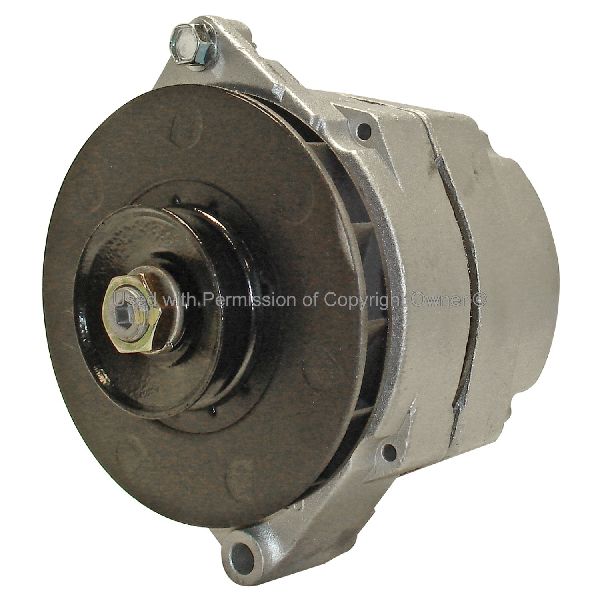
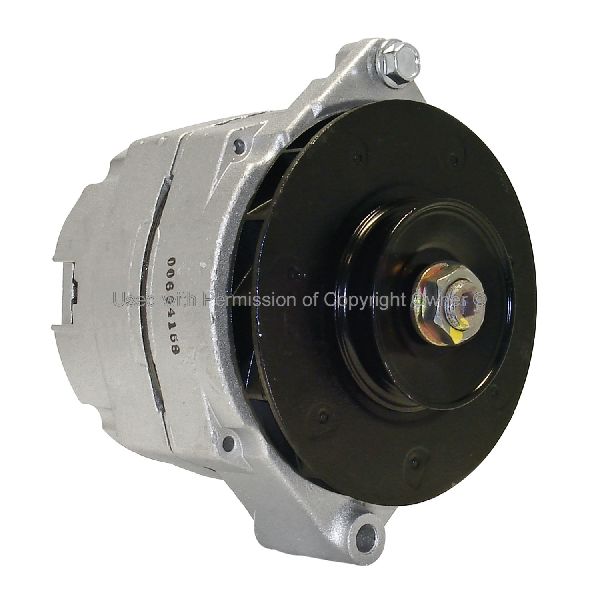
The original 10SI alternators were often rated around 63 amps. A popular and easy upgrade is to a 12SI model, which looks nearly identical and bolts in directly but offers a higher output (often 78 or 94 amps) and, most importantly, better charging at idle. If you have added modern accessories, you should consider a high-output unit.
- Stock Replacement (60-75 Amps): Fine for a completely factory-original truck with no electrical add-ons.
- Moderate Upgrade (90-120 Amps): A great choice for most users. This provides enough extra power for brighter headlights, an aftermarket stereo, and better charging at idle. A 12SI alternator falls into this category.
- High-Output (140+ Amps): Necessary if you run heavy-duty accessories like a winch, powerful off-road lights, a large audio amplifier, or an on-board air compressor. Brands like Powermaster specialize in these units.
Upgrading Your Charge Wire
If you upgrade to an alternator with a significantly higher amperage (e.g., 100 amps or more), you must also upgrade the main charge wire that runs from the alternator's B+ terminal to the battery or junction block. The stock wire is too small to handle the extra current safely and can create a fire hazard.
Step 3: Understanding Aftermarket Brand Tiers
The brands available offer a range of quality and performance levels.
- Performance/High-Output Brands (Powermaster, Proform): These brands specialize in high-amperage alternators designed for performance and heavy-duty use. They are an excellent choice if you need to power extra accessories. They often feature better components and higher output at idle.
- OE-Quality Brands (Bosch, Remy): These are well-respected manufacturers that often supply original parts to automakers. A new alternator from Bosch or Remy is a reliable, high-quality choice for a stock or mildly upgraded truck. Remy has historic ties to GM's original Delco-Remy division.
- Standard Replacement Brands (BBB Industries, MPA, WAI Global): These brands offer affordable, direct-fit replacements that meet original specifications. They are a good, budget-friendly option for getting a daily driver back on the road with stock electrical demands.
Cost of a New Aftermarket Alternator for a 1979-1987 GMC K2500
| Part Type | Estimated Cost |
|---|---|
| New Aftermarket Alternator (Standard Output) | $50 - $120 |
| New Aftermarket Alternator (High-Output) | $130 - $265+ |
| Shop Labor for Installation | $100 - $180 |
Frequently Asked Questions (FAQ)
Do I need a high-output alternator?
If your truck is mostly stock, you probably don't need one. However, if you've added a powerful stereo, off-road lights, a winch, or other electronics, a high-output alternator is highly recommended to keep up with the electrical demand and prevent draining your battery.
What's the difference between a 10SI and 12SI alternator?
The 12SI is the successor to the 10SI. While they look almost identical and are interchangeable, the 12SI has an improved internal fan for better cooling and produces significantly more amperage at idle speed, which helps with issues like dimming headlights. It's a very common and recommended upgrade.
What is a "one-wire" vs. "three-wire" alternator?
A "three-wire" alternator is the factory style, using a main battery wire and a two-wire plug for the ignition and voltage sensing circuits. A "one-wire" alternator simplifies wiring by only requiring the main battery wire to function. While simpler, they often don't start charging until the engine is revved to a certain RPM and lack the remote voltage sensing of the factory setup, which can lead to less precise charging. For most applications, sticking with the OEM-style three-wire setup is recommended.
Is it difficult to replace the alternator on my K2500?
No, this is considered an easy DIY job for someone with basic mechanical skills. The alternator is mounted on top of the engine and is easy to access. The process typically takes about an hour with basic hand tools.
Technical Specifications
Common OEM Style: Delco 10SI, 12SI. Voltage: 12V. Regulation: Internal or External (must verify). Stock Amperage: ~63 Amps. Common Upgrade Amperage: 94-140 Amps. Drive Style: V-Belt.
We Have This Part in Stock
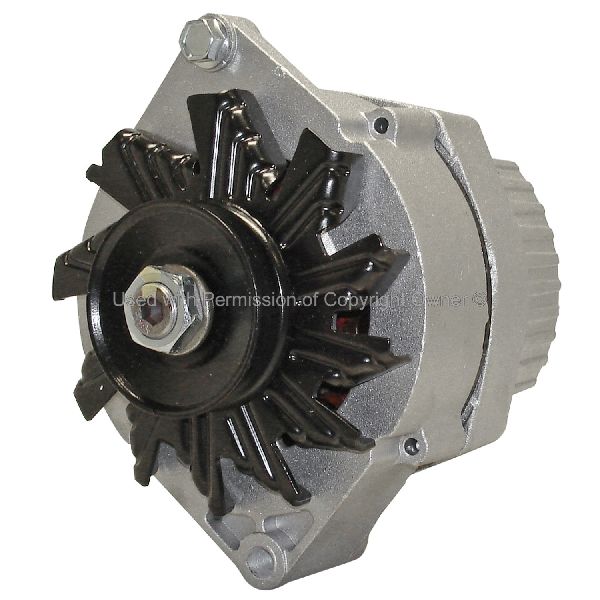
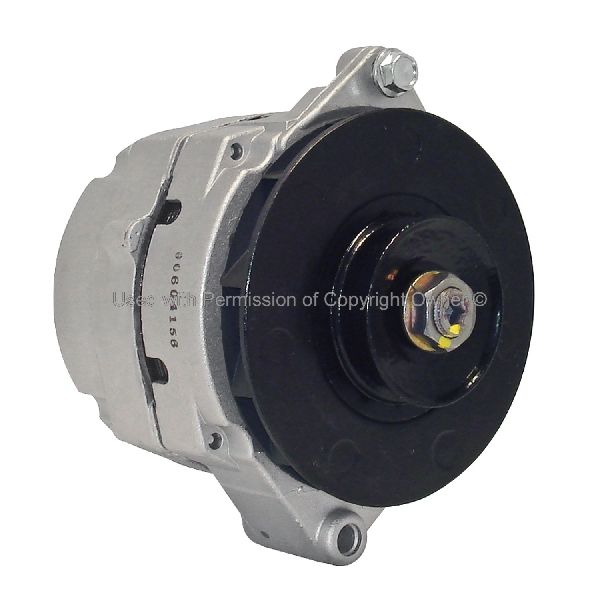
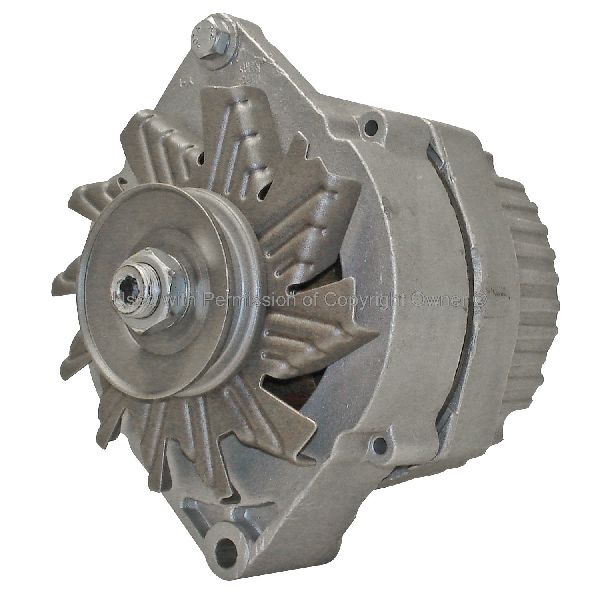
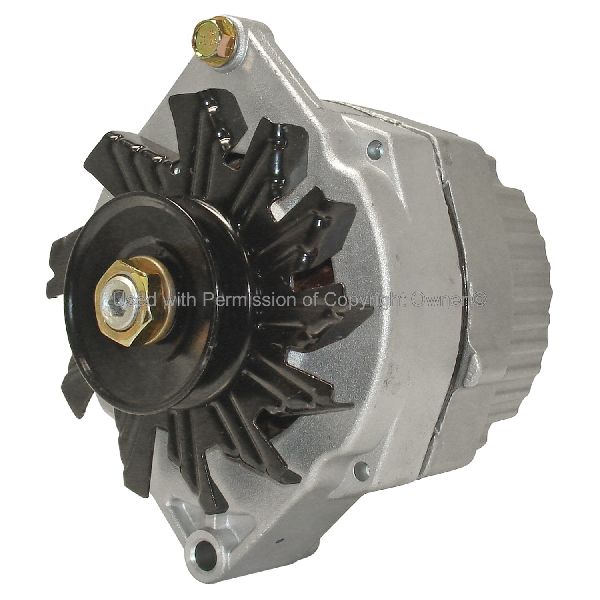

The information in this article is provided for general reference and educational purposes only. Vehicle specifications, procedures, and part compatibility can vary by production date, trim level, and region. Always consult your vehicle's factory service manual and verify part numbers before purchasing or performing repairs. Safety-critical components such as airbags, seat belts, and braking systems should be installed by a qualified professional.
- 🛍️ Shop This Part
- Signs of a Failing Alternator in Your K2500
- Check Your Wires First
- Choosing the Right Aftermarket Alternator
- Step 1: Identify Your Current Alternator Type
- Step 2: Decide on Amperage - Stock vs. High-Output
- Upgrading Your Charge Wire
- Step 3: Understanding Aftermarket Brand Tiers
- Cost of a New Aftermarket Alternator for a 1979-1987 GMC K2500
- Frequently Asked Questions (FAQ)
- 🎟️ Get 5% Off