

GMC K2500 Catalytic Converter Guide for 1979-1987 Models
Everything you need to know before replacing the catalytic converter on your classic GMC K2500 truck.
- First, check your door jamb sticker to see if your K2500's GVWR required a catalytic converter from the factory.
- A loss of engine power is the #1 symptom of a clogged converter on these trucks.
- If you've had a major engine failure, you must also replace the converter to prevent debris from destroying the new engine.
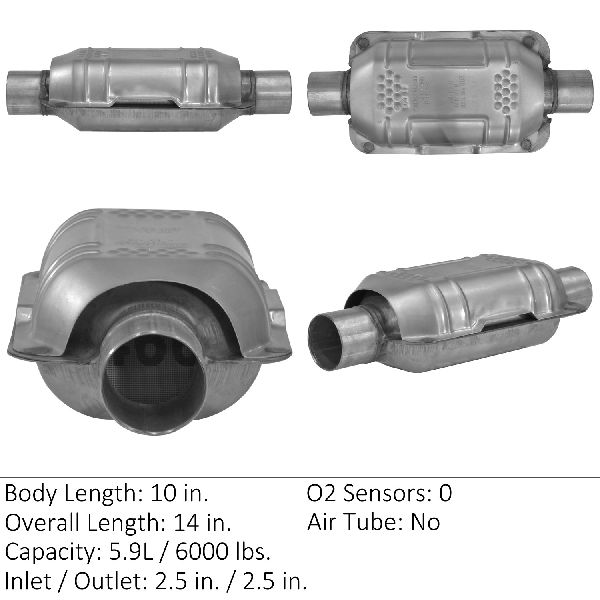
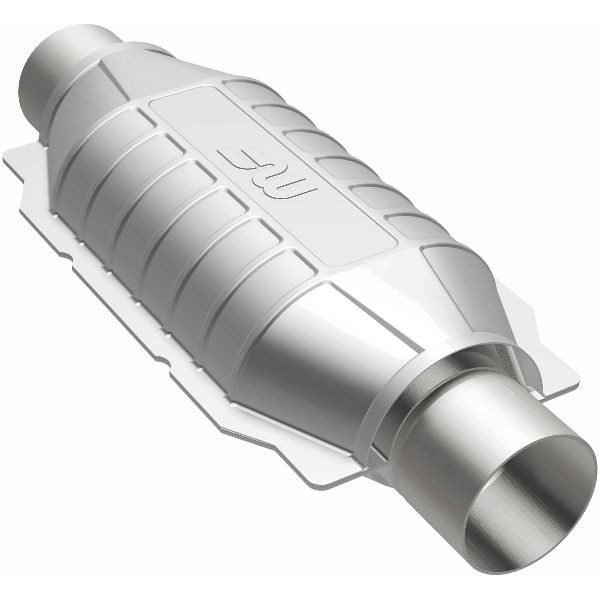
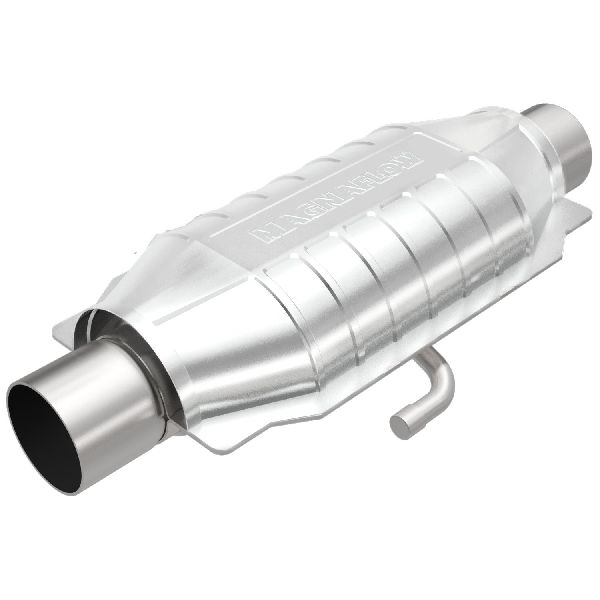
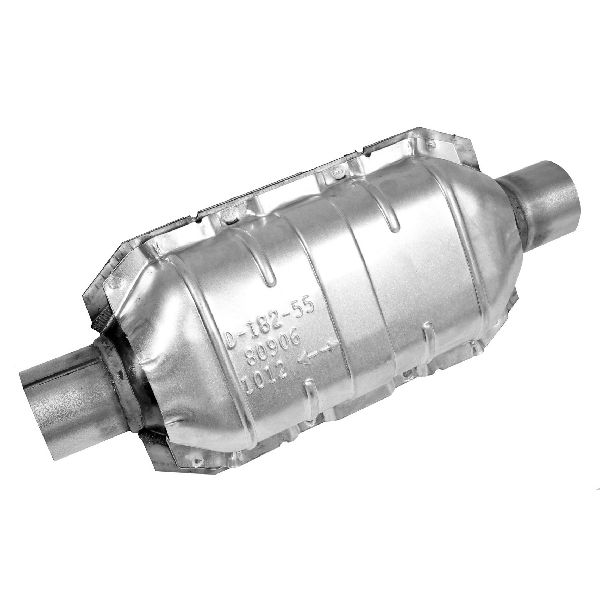
- Choose your aftermarket brand based on your budget and quality needs: Eastern for economy, Walker for a solid OE-style fit, and MagnaFlow for premium performance.
Is a Catalytic Converter Required on Your K2500?
Check Your GVWR First. Not all 1979-1987 GMC K2500s came from the factory with a catalytic converter. Federal regulations were based on the vehicle's Gross Vehicle Weight Rating (GVWR). Generally, K2500 models with a GVWR under 8,500 lbs were equipped with a converter. However, from 1980 to 1986, GMC offered a heavy-duty package (RPO code C6P) that raised the GVWR to 8,600 lbs, making those specific trucks exempt. Always check the sticker on your driver's side door jamb to find your truck's GVWR and confirm if it originally had a converter. By 1987, all fuel-injected models used them regardless of weight.
Symptoms of a Failing Catalytic Converter
When your K2500's catalytic converter starts to fail, it will usually give you clear signs. The most common failure is clogging, which restricts exhaust flow and chokes the engine.
- Loss of Power: The truck feels sluggish and struggles to accelerate, especially under load or uphill. This is the most common symptom of a clogged converter creating too much backpressure.
- Rotten Egg Smell: A strong smell of sulfur or rotten eggs from the exhaust indicates that the converter is not properly processing the exhaust gases.
- Rattling Noise: If you hear a rattling or shaking sound from under the truck, it's likely that the ceramic honeycomb material inside the converter has broken apart.
- Excessive Heat: A failing converter can overheat, causing an unusual amount of heat to radiate from underneath the vehicle.
- Reduced Fuel Economy: When the engine has to work harder to push exhaust gases through a clog, it burns more fuel.
Important TSB Notice for Engine Replacement: According to GM Service Bulletin #00-06-01-026M, if you are replacing your engine due to an internal failure (like a broken piston or valve), debris can travel into the catalytic converter. This debris can then be drawn back into the new engine upon startup, causing immediate and severe damage. If you've had a major engine failure, you MUST inspect the catalytic converter for debris or melting and replace it if any damage is found.
Choosing the Right Aftermarket Converter
Original OEM converters for a truck this age are virtually impossible to find. The aftermarket offers several options that can be categorized into different tiers of quality and price.
| Brand Tier | Brands | Best For | Notes |
|---|---|---|---|
| Economy | Eastern Catalytic | Budget-conscious repairs where passing emissions is the only goal. | Often the lowest-priced option. Some users report issues with fitment, requiring adjustments during installation, and concerns about long-term durability against rust. |
| OE-Style Replacement | Walker Exhaust | A reliable, no-frills replacement that prioritizes proper fit and function similar to the original part. | Walker is a well-regarded brand in the exhaust industry, known for good quality and fitment without the premium price. A safe bet for most owners. |
| Performance / Premium | MagnaFlow, MagnaFlow Performance Exhaust | Owners looking for high-quality construction, potentially better exhaust flow, and a long service life. | MagnaFlow is known for its stainless-steel construction and high-flow designs, which may offer a slight performance improvement. They are typically the most expensive aftermarket option but are preferred for their quality. |
Frequently Asked Questions (FAQ)
What's the difference between a direct-fit and universal converter?
A direct-fit converter is designed to bolt right into your specific vehicle's exhaust system with minimal or no modifications. A universal converter is a generic part that requires cutting the old converter out and welding or clamping the new one into place. For the K2500, a direct-fit model from a brand like Walker or MagnaFlow will make installation much easier.
Can I just remove the converter and install a straight pipe?
While mechanically possible, removing a factory-installed catalytic converter is illegal under federal law. It will also cause a significant increase in harmful emissions and a strong, unpleasant exhaust smell. If your truck did not originally come with a converter, you do not need to add one. However, if it did, it must be replaced to remain compliant.
Why would a brand new converter fail quickly?
A new converter that fails in a short time is almost always a symptom of an underlying engine problem. An engine that runs too rich (too much fuel) can overheat and melt the converter's internal structure. Likewise, burning oil or coolant can contaminate and clog the converter. Always diagnose and fix any engine running issues before installing a new catalytic converter.
Is installation a DIY job?
For someone with mechanical experience and the right tools, yes. The biggest challenge on a truck of this age is dealing with heavily rusted bolts and flanges. You will likely need a breaker bar, penetrating oil, and possibly a torch or angle grinder. If the bolts snap, you may need to drill them out. If you are not comfortable with this, a local exhaust shop can perform the installation.
Technical Specifications
Varies by engine size (e.g., 305, 350, 454) and exhaust configuration. Most are single-inlet, single-outlet designs. Aftermarket parts are available in direct-fit or universal configurations.
We Have This Part in Stock

The information in this article is provided for general reference and educational purposes only. Vehicle specifications, procedures, and part compatibility can vary by production date, trim level, and region. Always consult your vehicle's factory service manual and verify part numbers before purchasing or performing repairs. Safety-critical components such as airbags, seat belts, and braking systems should be installed by a qualified professional.