

Choosing the Best Replacement Disc Brake Pads for Your 1979-1987 GMC K2500
Get the right stopping power and durability for your classic heavy-duty GMC truck.
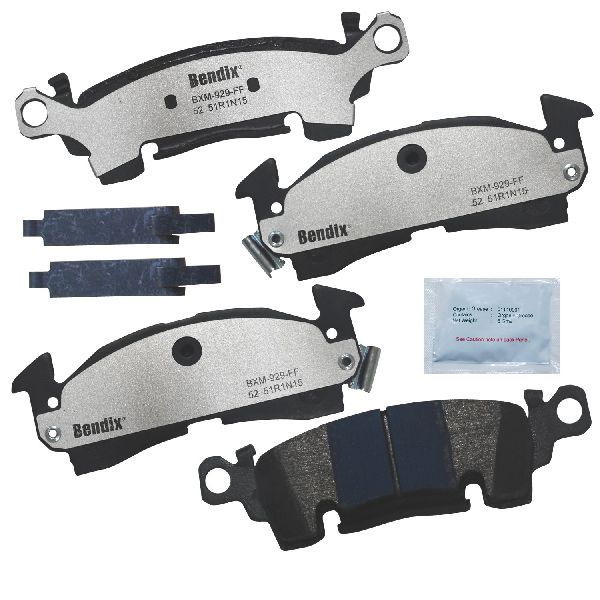
- For towing and heavy use, choose a quality semi-metallic pad from a brand like Wagner Severe Duty or Bendix for superior heat management.
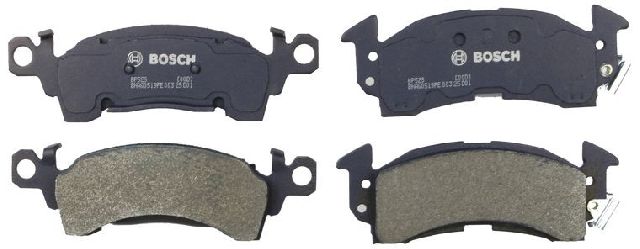
- For daily driving, a ceramic or hybrid pad from Bosch, Centric, or Raybestos will provide quiet operation and low dust.
- Performance pads from PowerStop, EBC, or Hawk offer a significant upgrade in stopping power, which is a valuable safety margin for a heavy truck.
- Always inspect your rotors during a pad change. Rotor replacement on this truck is more involved as it requires servicing the wheel bearings.
Symptoms of Worn Brake Pads
Your truck will give you clear signs when the brake pads are nearing the end of their life. Ignoring them can lead to more expensive repairs, like needing to replace the brake rotors. Be aware of these common symptoms:
- Squealing or Screeching: Many brake pads have a small metal tab called a wear indicator. When the pad material wears down, this tab contacts the rotor and makes a high-pitched noise, telling you it's time for a replacement.
- Grinding Noises: A loud, metallic grinding sound means the brake pad material is completely gone. The metal backing plate of the pad is now grinding against the rotor, causing significant damage and severely reducing stopping power. This is a critical safety issue.
- Longer Stopping Distances: If you notice your truck takes longer to stop than it used to, the pads may be worn out or glazed over from heat.
- Vibration or Pulsing in the Pedal: While often a sign of warped rotors, this can also be caused by unevenly worn or failing brake pads.
Choosing the Right Aftermarket Brake Pads
Original GM brake pads for a vehicle of this age are essentially obsolete. Today's aftermarket offers a wide range of materials that are superior to the original organic pads your truck came with. The choice comes down to your truck's primary use: daily driving, or heavy-duty work and towing.
Brake Pad Materials: What's Best for Your K2500?
Semi-Metallic Pads: This is the workhorse material and an excellent choice for a heavy truck like the K2500, especially if you tow or haul. They are made with metal fibers that provide excellent bite and handle heat very well, which prevents brake fade under heavy loads. The trade-off is that they can produce more dust and noise than ceramic pads.
Ceramic & Carbon-Fiber Ceramic Pads: These are a great option for daily driving. They are known for being quiet, producing very little light-colored dust, and offering a long service life. For towing, look for performance-oriented carbon-fiber ceramic pads, which are engineered to provide the high-heat tolerance of semi-metallics with the low dust and noise of ceramics.
Aftermarket Brand Tiers for Your K2500
| Tier | Primary Use | Common Brands | Characteristics |
|---|---|---|---|
| Daily Driver | General commuting, light loads | Bosch QuietCast, Centric Posi-Quiet, Wagner ThermoQuiet, Raybestos EHT | Focus on quiet operation and low dust. Good, reliable stopping power for everyday situations. |
| Heavy-Duty & Towing | Hauling, towing, frequent heavy loads | Wagner Severe Duty, Bendix Fleet Metlock, Raybestos Element3 (Hybrid) | Typically semi-metallic pads designed for high heat and severe use. They provide excellent stopping power but may be dustier. |
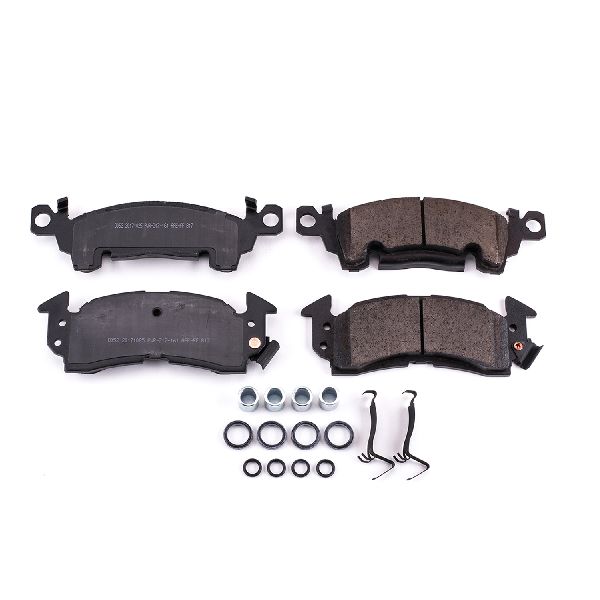
| Performance Upgrade | Maximum stopping power, towing, larger wheels | PowerStop Z36 Truck & Tow, EBC Yellowstuff, Hawk LTS | Carbon-fiber ceramic or aggressive friction formulas for the best performance under stress. Ideal for those who demand the most from their brakes. |
Pro Tip: Inspect Your Rotors and Bearings
When you replace your brake pads, always inspect the brake rotors for signs of deep grooves, heat spots (blueish discoloration), or warping. On the 1979-1987 K2500, the front brake rotor and wheel hub are a single assembly. This means replacing the rotors is more complex than on modern trucks; it requires removing, cleaning, and repacking the front wheel bearings. If your rotors are damaged, it's crucial to replace them to ensure the new pads perform correctly and wear evenly.
Frequently Asked Questions (FAQ)
Do I need to replace my rotors with my brake pads?
It is highly recommended. New pads perform best on a fresh, flat rotor surface. Installing new pads on old, worn rotors can reduce braking performance and cause the new pads to wear out prematurely. Given the complexity of rotor replacement on this truck, it's best to do both at the same time if the rotors show any signs of wear.
What's the difference between semi-metallic and ceramic pads for my truck?
Semi-metallic pads are better for heavy-duty use like towing because they manage heat better and provide strong stopping power, though they can be dusty. Ceramic pads are quieter, cleaner, and great for daily driving but may not offer the same level of performance under extreme heat unless they are a specialized carbon-fiber ceramic formula.
Are performance brake pads from brands like PowerStop or EBC worth it?
If you tow heavy loads, have oversized wheels and tires, or simply want the best possible stopping power for safety, then yes. A kit like the PowerStop Z36 Truck & Tow is specifically designed to handle the extra stress on the braking system. For a truck that is just used for light commuting, they might be overkill, but many owners appreciate the added margin of safety.
What is "bedding-in" new brake pads?
Bedding-in is a process of several controlled stops used to transfer a thin, even layer of friction material from the new pads onto the rotors. This process is critical for achieving optimal braking performance, preventing noise, and ensuring a long pad life. Most manufacturers provide specific bed-in procedures with their new pads.
Technical Specifications
The key specification is not an OEM part number, but the choice of friction material (ceramic, semi-metallic, or performance carbon-fiber ceramic) that matches your vehicle's use.
We Have This Part in Stock
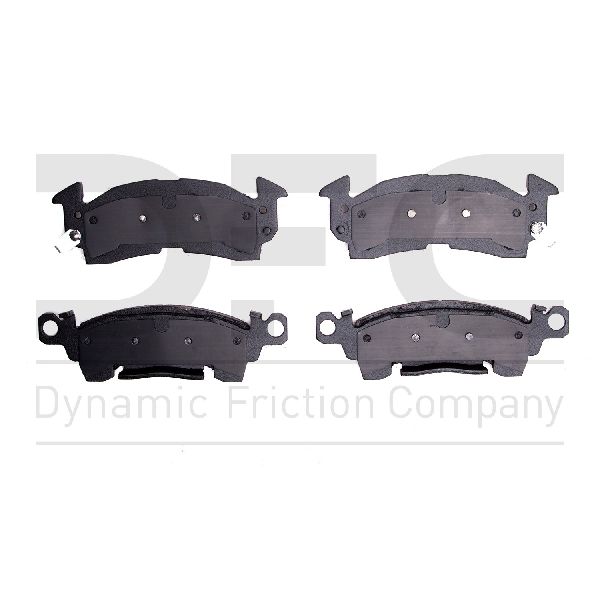
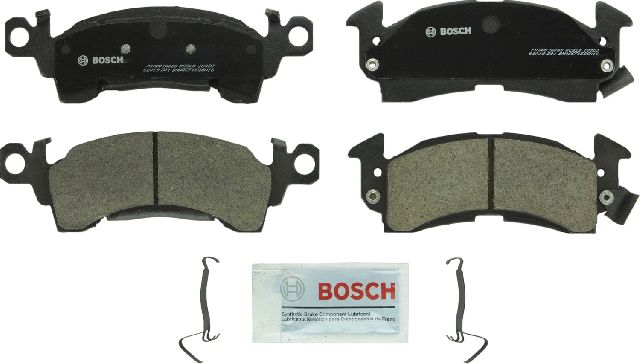

The information in this article is provided for general reference and educational purposes only. Vehicle specifications, procedures, and part compatibility can vary by production date, trim level, and region. Always consult your vehicle's factory service manual and verify part numbers before purchasing or performing repairs. Safety-critical components such as airbags, seat belts, and braking systems should be installed by a qualified professional.