

GMC K2500 Engine Mount Replacement Guide for 1979-1987 Models
Stop excessive engine vibration and protect your classic truck's components with the right engine mounts.
- Always replace engine mounts in pairs to ensure proper engine alignment and prevent premature wear.
- For most owners, standard rubber mounts from brands like Anchor or Westar provide a comfortable, OE-like ride.
- For heavy towing or performance use, upgrade to polyurethane mounts from a brand like Energy Suspension, but expect more cabin vibration.
- Inspect mounts for oil saturation from engine leaks, as this will cause the rubber to degrade and fail quickly.
Signs of a Failing Engine Mount
Worn or broken engine mounts on your K2500 will make themselves known. The rubber can dry out, crack, or become saturated with oil, losing its ability to dampen vibrations. Look for these common symptoms:
- Excessive Vibration: You'll feel more shaking in the cab, especially at idle or when the air conditioning is on.
- Clunking Noises: A distinct "clunk" or "thud" when you accelerate, decelerate, or shift gears is a classic sign of a bad mount. This is the sound of the engine moving too much and hitting other components.
- Engine Movement: Open the hood and have a helper lightly rev the engine in drive with the brakes applied. If the engine lifts or rocks more than an inch or two, the mounts are likely shot.
- Visible Damage: You might see cracks, splits, or bulging in the rubber part of the mount. Oil leaks from other parts of the engine can soak the mounts and cause the rubber to soften and fail.
Choosing the Right Aftermarket Engine Mount
For a classic truck like the '79-'87 K2500, you have several good aftermarket options. The choice between standard rubber and performance polyurethane is the main decision you'll make.
Standard Replacement (Rubber)
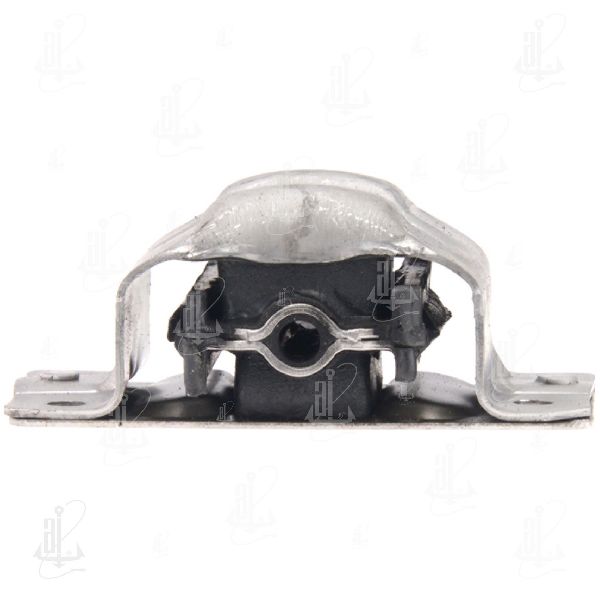
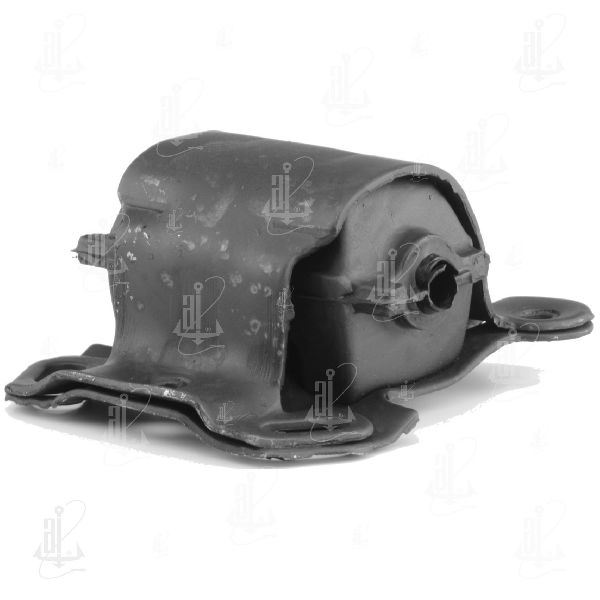
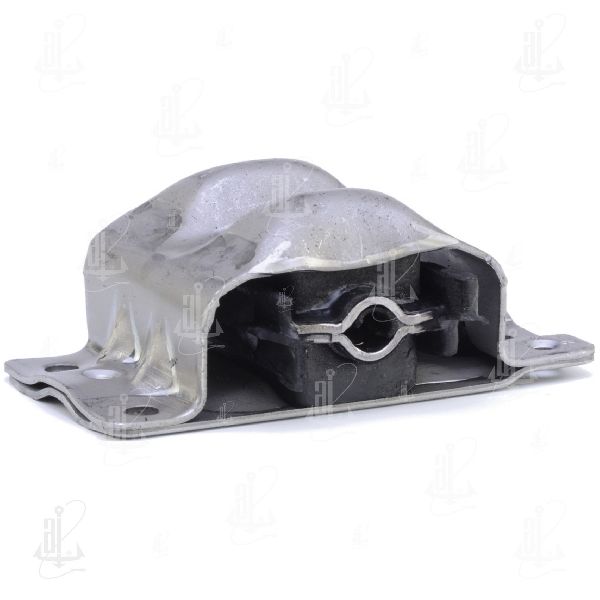
These mounts are designed to be like the original factory parts, prioritizing a smooth, quiet ride. They are made from dense rubber that is excellent at absorbing engine vibrations. For a daily driver or a stock restoration, these are usually the best choice.
- Brands like Anchor, DEA, and Westar offer direct-fit, OE-style rubber mounts. They are affordable and widely available. However, quality can be inconsistent with some economy brands; some users in forums report premature failures with lower-cost options.
Heavy-Duty & Performance (Polyurethane)
If you use your K2500 for heavy towing, hauling, or off-roading, polyurethane mounts are a significant upgrade. Polyurethane is a much stiffer material than rubber.
Pro-Tip: Polyurethane mounts, like those from Energy Suspension, offer superior durability and better control over engine torque. This can improve throttle response. The downside is that their stiffness transfers more engine vibration into the cab, which you will feel and hear.
Important: If you choose polyurethane engine mounts, it is highly recommended that you also install a polyurethane transmission mount. Mixing a stiff engine mount with a soft transmission mount can put stress on the transmission case, potentially causing it to crack.
Estimated Replacement Costs
Prices can vary based on your location and the specific parts you choose. This table gives a general idea of what to expect.
| Item | Estimated Cost |
|---|---|
| New Aftermarket Engine Mounts (Pair) | $30 - $90 |
| Shop Labor | $150 - $300 |
| Total Professional Installation | $180 - $390 |
Frequently Asked Questions (FAQ)
How many engine mounts does my K2500 have?
Your GMC K2500 has two engine mounts (one on each side of the engine) and one transmission mount, which supports the rear of the powertrain.
Should I replace my engine mounts in pairs?
Yes, always replace engine mounts in pairs. If one has failed, the other has been subjected to the same age and stress and is likely not far behind. Replacing both ensures even support and prevents the new mount from failing prematurely.
What's the real difference between rubber and polyurethane?
Rubber is soft and excellent at absorbing vibration, giving you a comfortable ride like the original. Polyurethane is much stiffer and more durable, ideal for performance or heavy-duty use, but it will make your ride noticeably noisier and you'll feel more vibration.
Are the left and right engine mounts the same?
For this generation of GM trucks, the left and right engine mounts are typically identical and can be used on either side. However, always double-check the part description before ordering.
Are there any recalls for the 1979-1987 GMC K2500 engine mounts?
No. A search of the National Highway Traffic Safety Administration (NHTSA) database shows no recalls specifically for engine mounts on the 1979-1987 GMC K2500. Any found recalls are for much newer GM models.
Technical Specifications
The primary specification is the material: Styrene Butadiene Rubber (SBR) for standard mounts or Polyurethane for performance/heavy-duty applications.
We Have This Part in Stock


The information in this article is provided for general reference and educational purposes only. Vehicle specifications, procedures, and part compatibility can vary by production date, trim level, and region. Always consult your vehicle's factory service manual and verify part numbers before purchasing or performing repairs. Safety-critical components such as airbags, seat belts, and braking systems should be installed by a qualified professional.