

A Guide to Replacing the Radiator in Your 1979-1987 GMC K2500
Keep your classic GMC truck's engine cool by choosing the right new radiator.
- Measure your existing radiator core before ordering a replacement to ensure correct fitment.
- Standard plastic/aluminum radiators are fine for stock trucks, but an all-aluminum model is a worthwhile upgrade for heavy use.
- Common failure points are age-related leaks, clogs, and cracks in plastic end tanks.
- Plan on buying a new radiator cap, as they are not typically included with the new radiator.
Signs of a Failing Radiator
Radiators on Square Body GMC trucks fail mostly due to age. After decades of use, problems like rust, leaks, and internal clogs are common. Here are the top symptoms to watch for:
- Engine Overheating: This is the most serious sign. If your temperature gauge climbs into the red, you may have a radiator problem.
- Coolant Leaks: Finding puddles of green, yellow, or pink fluid under your truck is a clear sign of a leak. Leaks can come from the radiator itself or its connecting hoses.
- Low Coolant Levels: If you have to top off your coolant often, you likely have a leak somewhere in the system.
- Discolored Coolant: Coolant should be brightly colored. If it looks rusty or brown, it could mean the inside of your radiator is corroding.
- Damaged Fins: Look at the front of your radiator. Bent or blocked fins prevent air from flowing through, which reduces cooling.
Choosing the Right Aftermarket Radiator
When shopping for a new radiator for your K2500, you have a few types to choose from. The original factory radiators were often made of copper and brass, which are very durable. However, most modern aftermarket replacements fall into two main categories.
Aftermarket Radiator Tiers
| Tier | Description | Common Brands | Best For |
|---|---|---|---|
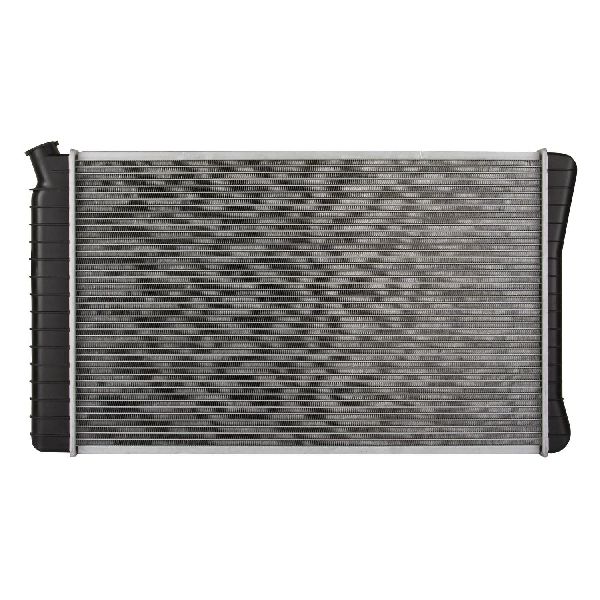
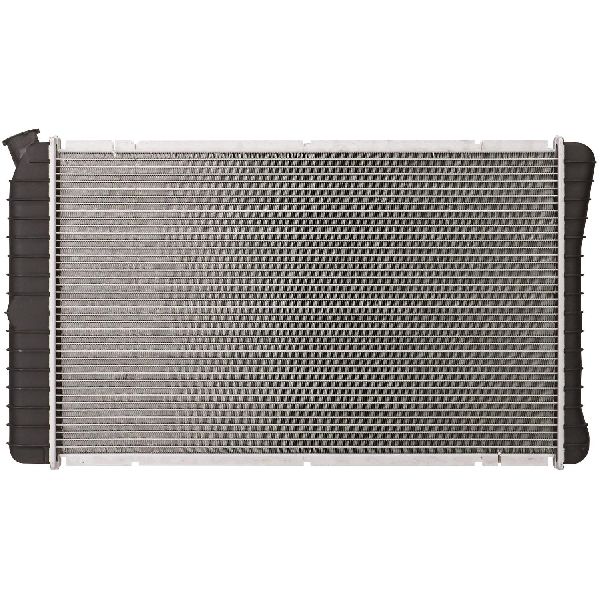
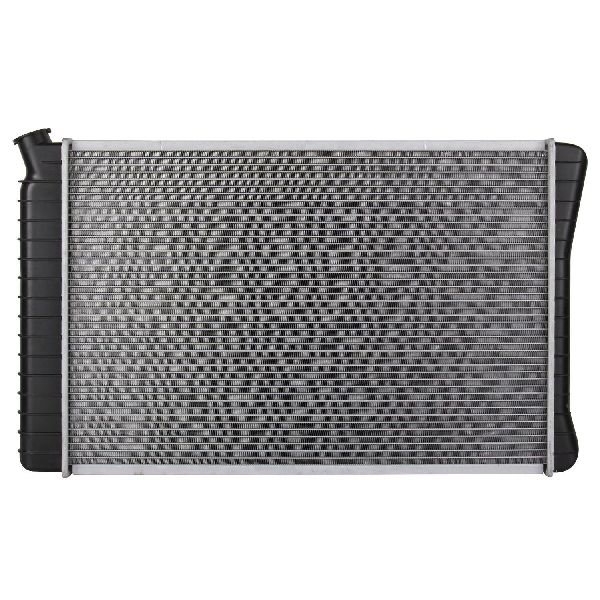
| Standard Replacement | These radiators typically have an aluminum core with plastic side tanks, similar to what is used in modern cars. They are a direct-fit replacement for a stock truck. While affordable, the plastic tanks can be a weak point and may crack over time. | APDI, Global Parts, Onix, Replacement, Spectra | Daily driving and stock engine performance. |
| Performance / All-Aluminum | These are a popular upgrade, featuring fully welded aluminum construction with no plastic parts. They offer better cooling efficiency and durability, making them a good choice for trucks that work hard or have performance engines. | Frostbite, Mishimoto, One Stop Solutions | Towing, hauling, modified engines, and hot climates. |
Measure Before You Buy!
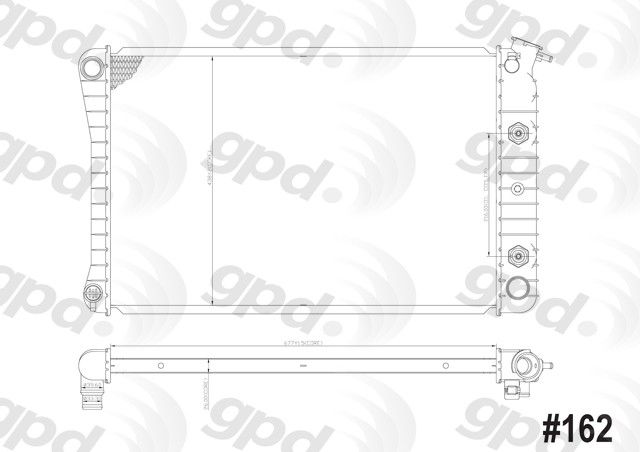
GMC used several different radiator sizes in these trucks depending on the engine, transmission, and cooling package. The most common differences are in the core height (17-inch vs. 19-inch) and thickness (number of rows). You must measure the core of your old radiator before ordering a new one to ensure it will fit without needing different brackets.
Frequently Asked Questions
Is an all-aluminum radiator better than a plastic/aluminum one?
For durability and cooling performance, an all-aluminum radiator is generally better. It eliminates the plastic tanks, which are a common failure point on standard replacement radiators. However, a quality plastic/aluminum radiator from a reputable brand like Spectra is often good enough for a stock truck.
What is the difference between a 2-row, 3-row, and 4-row radiator?
The number of rows refers to the layers of tubes in the radiator's core. Generally, more rows mean more surface area and better cooling capacity. A 2-row aluminum radiator can sometimes cool as well as a 3-row copper/brass one because aluminum dissipates heat more efficiently and the tubes can be made larger.
Do I need a new radiator cap?
Yes, it is highly recommended. Most aftermarket radiators do not come with a new cap, and your old one may not hold pressure correctly. A bad cap can cause cooling system problems.
Can I replace the radiator myself?
Yes, for someone with basic mechanical skills and tools, this is a very doable DIY job. The large engine bay of a Square Body truck provides plenty of room to work. The process involves draining the coolant, removing the fan shroud and hoses, and swapping the unit.
Technical Specifications
Material: Copper/Brass (Original); Aluminum Core w/ Plastic Tanks (Standard Aftermarket); All-Aluminum (Performance Aftermarket). Core Height: Varies, common sizes are 17" and 19". Core Width: Approx. 28". Rows: 2, 3, or 4 rows depending on original configuration.
We Have This Part in Stock


The information in this article is provided for general reference and educational purposes only. Vehicle specifications, procedures, and part compatibility can vary by production date, trim level, and region. Always consult your vehicle's factory service manual and verify part numbers before purchasing or performing repairs. Safety-critical components such as airbags, seat belts, and braking systems should be installed by a qualified professional.